
What's Happening?
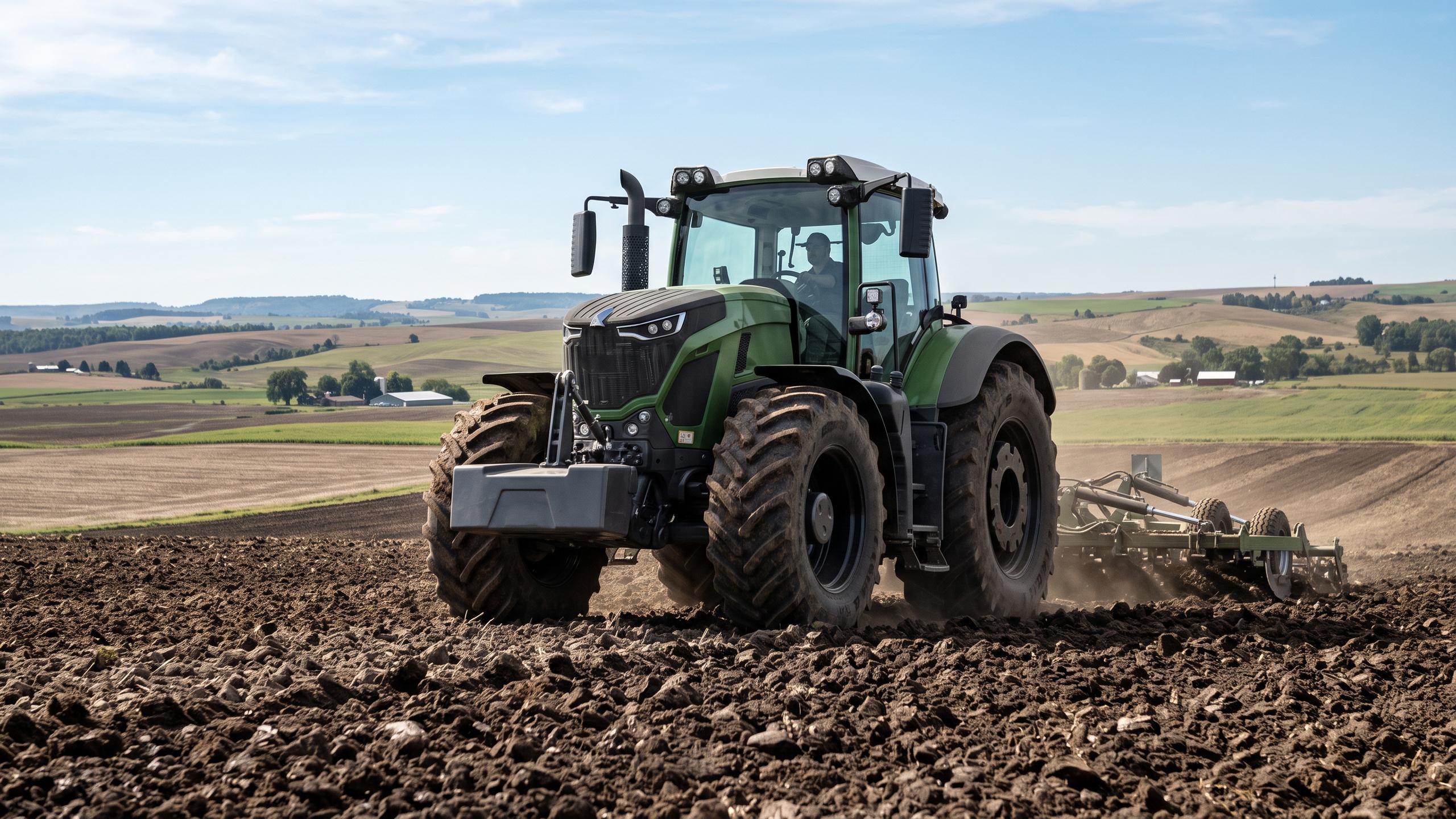
AGCO Corporation, a global manufacturer of agricultural machinery under brands like Fendt, Massey Ferguson, and Valtra, is currently experiencing a clear downcycle in equipment demand. Despite recent year-to-date
stock gains, the company's stock remains significantly below its 52-week high, reflecting a challenging fundamental backdrop. While North America has shown resilience with sales growth and market-share increases, other regions such as Europe, the Middle East, and Latin America have softened. Management has issued multiple full-year guidance cuts, indicating that global industry demand is now below previous cyclical lows. This downturn is attributed to factors such as falling earnings, tariff costs, cautious farmer buying, and softer credit conditions in Brazil. In response, AGCO has implemented leadership changes and continues to emphasize precision agriculture, autonomy, and mixed-fleet technology as long-term growth opportunities.
Why It's Important?
AGCO's current struggles highlight the cyclical nature of the agricultural equipment industry and its sensitivity to global economic conditions, farm income, crop economics, and agricultural credit. The divergence in regional performance, with North America showing strength while other international markets decline, underscores the complex and varied impacts of global economic pressures. The repeated guidance cuts signal a significant headwind for investors and stakeholders, indicating a prolonged period of reduced demand and profitability. However, AGCO's continued investment in precision agriculture and autonomous technologies is crucial for its long-term viability. These advanced solutions are becoming increasingly important for farmers seeking to optimize operations, reduce costs, and improve sustainability, suggesting that AGCO is positioning itself for future growth despite immediate challenges. The company's ability to navigate this downcycle while simultaneously investing in innovation will be critical for its market leadership.
What's Next?
AGCO will likely continue to focus on managing costs and optimizing operations to mitigate the impact of the current downcycle. The company's emphasis on precision agriculture, autonomy, and mixed-fleet technology suggests a strategic pivot towards higher-value, technology-driven solutions that can offer more stable revenue streams in the long term. Investors will be closely watching for signs of stabilization or recovery in global agricultural markets, particularly in Europe, the Middle East, and Latin America. The effectiveness of AGCO's leadership changes and its ability to execute on its innovation strategy will be key determinants of its future performance. Furthermore, the company will need to address challenges such as tariff exposures and weak credit conditions in certain markets to improve its overall financial health. The contrast with companies in other industrial sectors, such as commercial trucks, will continue to provide a comparative perspective on the differing industrial cycles.
Beyond the Headlines
The challenges faced by AGCO reflect broader shifts in the global agricultural landscape, including climate change impacts, evolving trade policies, and the increasing demand for sustainable farming practices. The company's investment in precision agriculture and autonomy is not just a business strategy but also a response to these macro trends, aiming to provide farmers with tools to enhance efficiency and reduce environmental footprints. The downturn in equipment demand could also accelerate consolidation within the agricultural machinery sector as smaller players struggle to compete. Moreover, the reliance on advanced technology could create new dependencies on software and data infrastructure, raising questions about cybersecurity and data ownership in agriculture. AGCO's journey through this downcycle will offer insights into the resilience and adaptability of the agricultural industry in the face of complex global challenges.