



What's Happening?
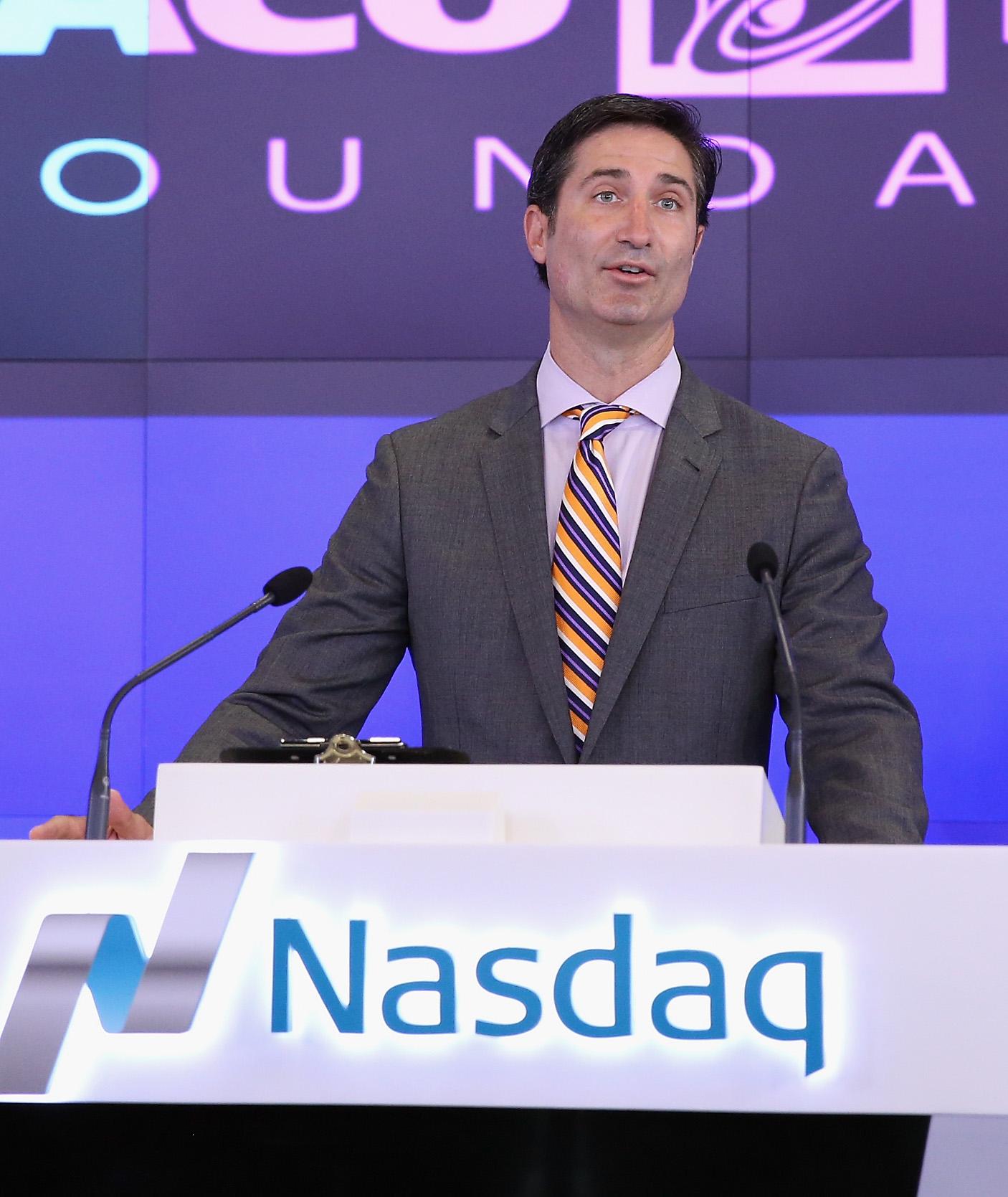
Nasdaq is set to expand its trading hours for US equities to nearly 23 hours a day, beginning December 6. This significant shift will introduce an overnight trading window from 9 PM to 4 AM Eastern Time.
During the US winter time, this period will directly correspond to 10 AM to 5 PM in Hong Kong and Beijing, creating a direct overlap with normal trading hours across China. The US Securities and Exchange Commission approved this plan in April, with the full launch contingent on market data systems and further rule changes. Nasdaq stated that this move is intended to address the increasing demand from investors in Asia, aiming to provide more accessible trading opportunities across different time zones.
Why It's Important?
This expansion by Nasdaq is poised to intensify competition within global financial markets, particularly impacting Asian markets like Hong Kong. By extending trading hours, Nasdaq will bring Wall Street into real-time competition with Asian exchanges, potentially drawing investment flows that might otherwise go to local markets. For US investors, this could mean greater flexibility and access to trading US equities during what were previously off-market hours, aligning with global business cycles. Conversely, Asian markets may face increased pressure to innovate and retain their investor base as a major US exchange offers near round-the-clock trading. The move could also lead to a more interconnected global financial system, where market events in one region can more immediately influence trading in another.
What's Next?
The extended trading hours are scheduled to commence on December 6. Market participants, especially those in Asia, will be closely observing the initial impact on trading volumes and investor behavior. Further rule changes and the integration of market data systems are still required for the full implementation of this plan. Financial institutions and investors in both the US and Asia will likely adjust their strategies to leverage or mitigate the effects of this expanded trading window. The success of this initiative could prompt other major exchanges to consider similar extensions, further reshaping the landscape of global equity trading.
Beyond the Headlines
The decision by Nasdaq to extend trading hours reflects a broader trend towards globalization and the increasing demand for continuous market access in a digital age. This move could blur the traditional geographical and temporal boundaries of financial markets, leading to a more integrated yet potentially more volatile global trading environment. It also raises questions about regulatory oversight across different time zones and the potential for increased arbitrage opportunities. The long-term implications could include a shift in the dominance of certain financial centers, as accessibility and liquidity become paramount, potentially challenging the established roles of traditional financial hubs.