



What's Happening?
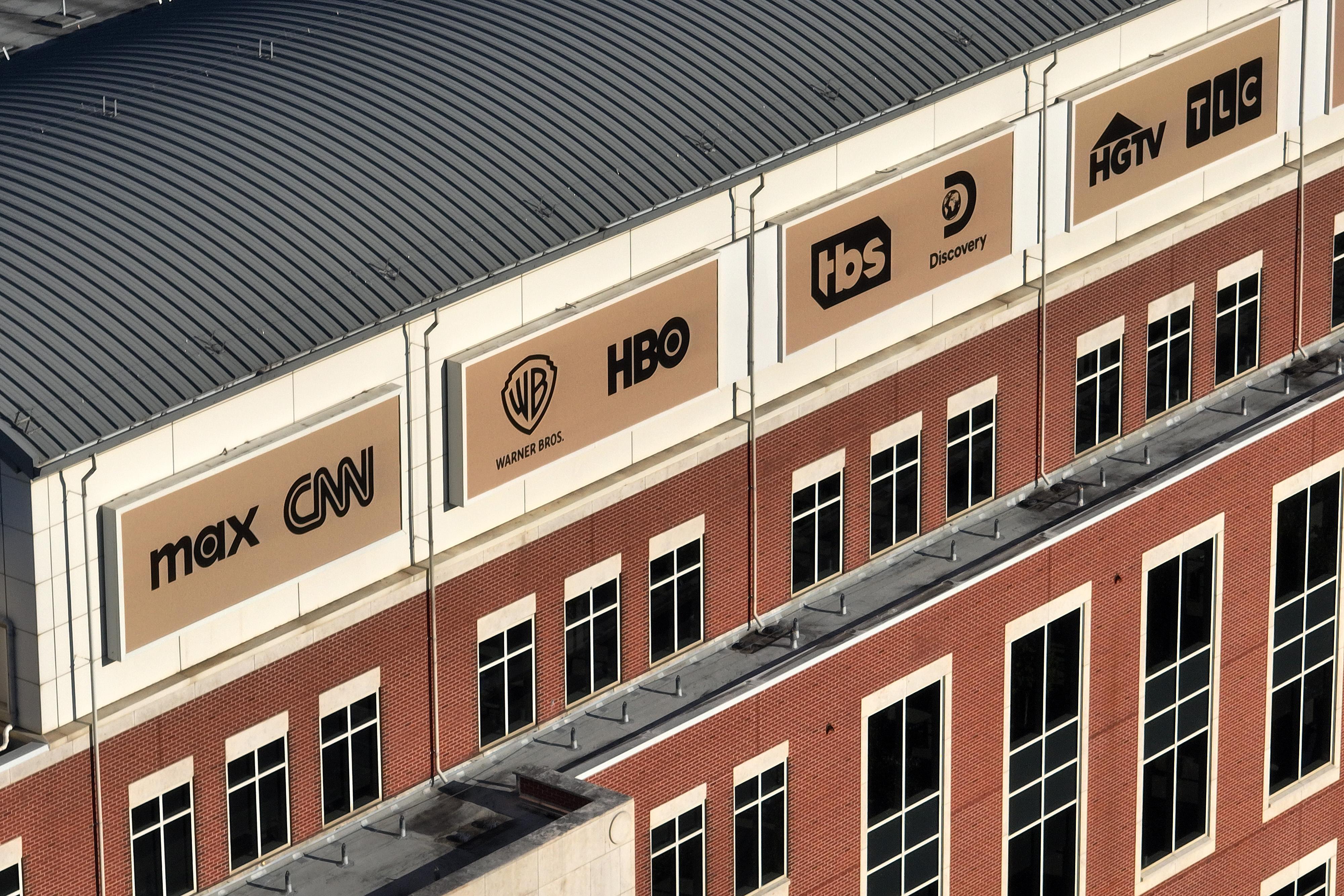
CNN, originally launched by Ted Turner in 1980 as part of the Turner Broadcasting System, has undergone significant corporate ownership changes, culminating in its current position under Warner Bros. Discovery.
After Time Warner acquired Turner Broadcasting in 1996 and AT&T later merged with Time Warner in 2018, the most recent major shift occurred in April 2022. WarnerMedia, CNN's parent company, merged with Discovery, Inc. to form Warner Bros. Discovery. This merger was primarily driven by the need to compete in the evolving streaming landscape, leading to the launch of the combined streaming service, Max. The transition has brought profound implications for CNN, as the new parent company faces substantial debt from the merger, resulting in aggressive cost-cutting measures, layoffs, and budget reductions across its portfolio. This has led to shifts in on-air talent and programming strategy, as CNN attempts to balance retaining its established viewership with attracting a younger, digitally-native audience.
Why It's Important?
The corporate restructuring of CNN under Warner Bros. Discovery is significant for the U.S. media landscape, as it highlights the increasing financial pressures and strategic shifts within major news organizations. The substantial debt incurred by Warner Bros. Discovery from the merger directly impacts CNN's operational capacity, leading to budget cuts and layoffs. This can affect the quality and scope of news reporting, potentially limiting investigative journalism and the diversity of content. For consumers, these changes may translate into a different viewing experience, as CNN recalibrates its programming to appeal to a broader or younger demographic in a competitive streaming environment. The situation underscores how corporate ownership and financial health directly influence editorial direction and journalistic integrity, with potential implications for the public's access to comprehensive and unbiased news coverage. The need to satisfy investors and attract advertisers in a fragmented media world often dictates content strategy, impacting who gains and who loses in the battle for viewership and ideological alignment.
What's Next?
CNN is expected to continue navigating the delicate balance of maintaining its established viewership while adapting to the demands of its new parent company, Warner Bros. Discovery. The network will likely persist in its efforts to appeal to a younger, digitally-native audience, potentially through further shifts in programming and increased promotion of its streaming service, Max. Industry analysts will closely monitor CNN's role within the Warner Bros. Discovery ecosystem, watching for further internal friction and strategic pivots as the company addresses its debt and seeks profitability. The ongoing competitive landscape of streaming services will also influence CNN's future decisions, as it strives to remain relevant in a rapidly changing media environment. The long-term impact of these corporate decisions on CNN's journalistic output and its position in the U.S. news market remains a key area of observation.
Beyond the Headlines
The corporate evolution of CNN under Warner Bros. Discovery reflects a broader trend in the media industry where traditional news organizations are increasingly subsumed by larger conglomerates driven by profit and shareholder returns. This development raises critical questions about the future of independent journalism and the potential for corporate interests to influence news narratives. The pressure to sensationalize stories or adopt a more centrist tone to capture a broader demographic, as observed with CNN, can erode public trust and contribute to a less diverse media landscape. The contrast with Fox News, which operates under a more focused corporate structure with a clear ideological alignment, further highlights how ownership models shape editorial ethos. This ongoing shift underscores the ethical challenge of balancing commercial viability with the public service role of news, potentially leading to a long-term impact on the quality and impartiality of information available to the American public.