


What's Happening?
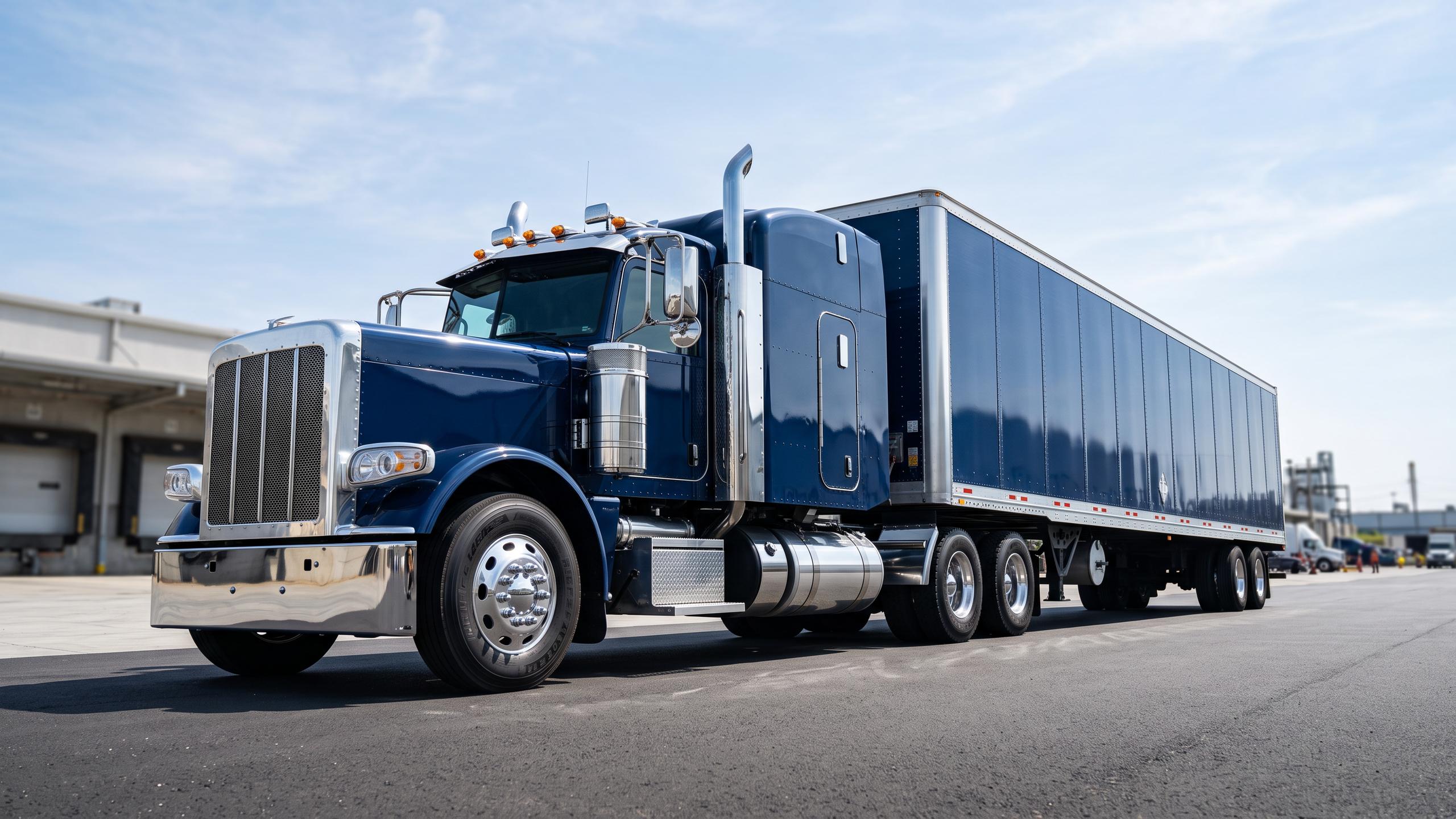
Bob Costello, Chief Economist for the American Trucking Associations, has indicated that the trucking industry is entering the early stages of a recovery. This upswing is primarily driven by a tightening
of capacity rather than a significant increase in freight volume. Despite shipments remaining relatively flat, or even decreasing in some regions like Texas (down 12.9% year-to-date), shipper spending on trucking has risen substantially, with a 32% year-over-year increase in the third quarter nationally and a 37% increase in Texas. This suggests that fewer trucks are available to move the existing loads, compelling shippers to pay higher rates. Costello attributes this capacity tightening to several factors, including federal enforcement actions on non-domiciled Commercial Driver's Licenses (CDLs), English-language proficiency requirements, driver training schools, recent court rulings, and elevated diesel prices. He does not anticipate these enforcement efforts to be derailed by election outcomes.
Why It's Important?
This capacity-driven recovery signifies a crucial shift for the U.S. trucking industry, which has experienced a 'freight recession' since the post-pandemic surge of the early 2020s. For trucking companies, particularly those operating clean and safe operations with good drivers, this trend presents an opportunity for improved profitability. With shippers paying more for the same volume of freight, carriers can command better rates and potentially increase driver pay, which is vital for retention in an industry often plagued by driver shortages. The increased costs for shippers could eventually translate to higher prices for consumers as transportation expenses are passed down the supply chain. This recovery model, stemming from supply-side constraints rather than demand surges, highlights the significant impact of regulatory enforcement and operational costs on the logistics sector, a critical component of the national economy.
What's Next?
As the trucking industry continues its capacity-driven recovery, carriers are advised to closely monitor their rates, contracts, and driver compensation. The current market conditions favor well-managed operations that prioritize safety and driver retention. The ongoing federal enforcement actions are expected to continue, further contributing to capacity constraints. While the biggest risk to this positive trend would be a recession, Costello does not foresee one on the horizon. This suggests that the current environment of higher rates for carriers may persist for some time. Shippers will likely need to adapt to these increased transportation costs, potentially by optimizing logistics or absorbing higher expenses. The industry will also be watching for any shifts in fuel prices or regulatory policies that could impact the delicate balance of supply and demand.
Beyond the Headlines
The current trucking resurgence, driven by capacity tightening, underscores the intricate relationship between regulatory policy, operational costs, and market dynamics in the U.S. supply chain. The emphasis on federal enforcement regarding CDLs and driver qualifications points to a broader effort to professionalize and standardize the trucking workforce, which could have long-term benefits for safety and efficiency, albeit with short-term impacts on capacity. This situation also highlights the vulnerability of the supply chain to external factors like fuel prices and legal rulings. The 'capacity-driven' nature of this recovery suggests a more resilient, albeit potentially more expensive, logistics network in the future, as the industry adjusts to a new equilibrium where quality and compliance are increasingly valued. This could lead to a consolidation within the trucking sector, favoring larger, more compliant carriers over smaller operators struggling to meet new standards.