
What's Happening?
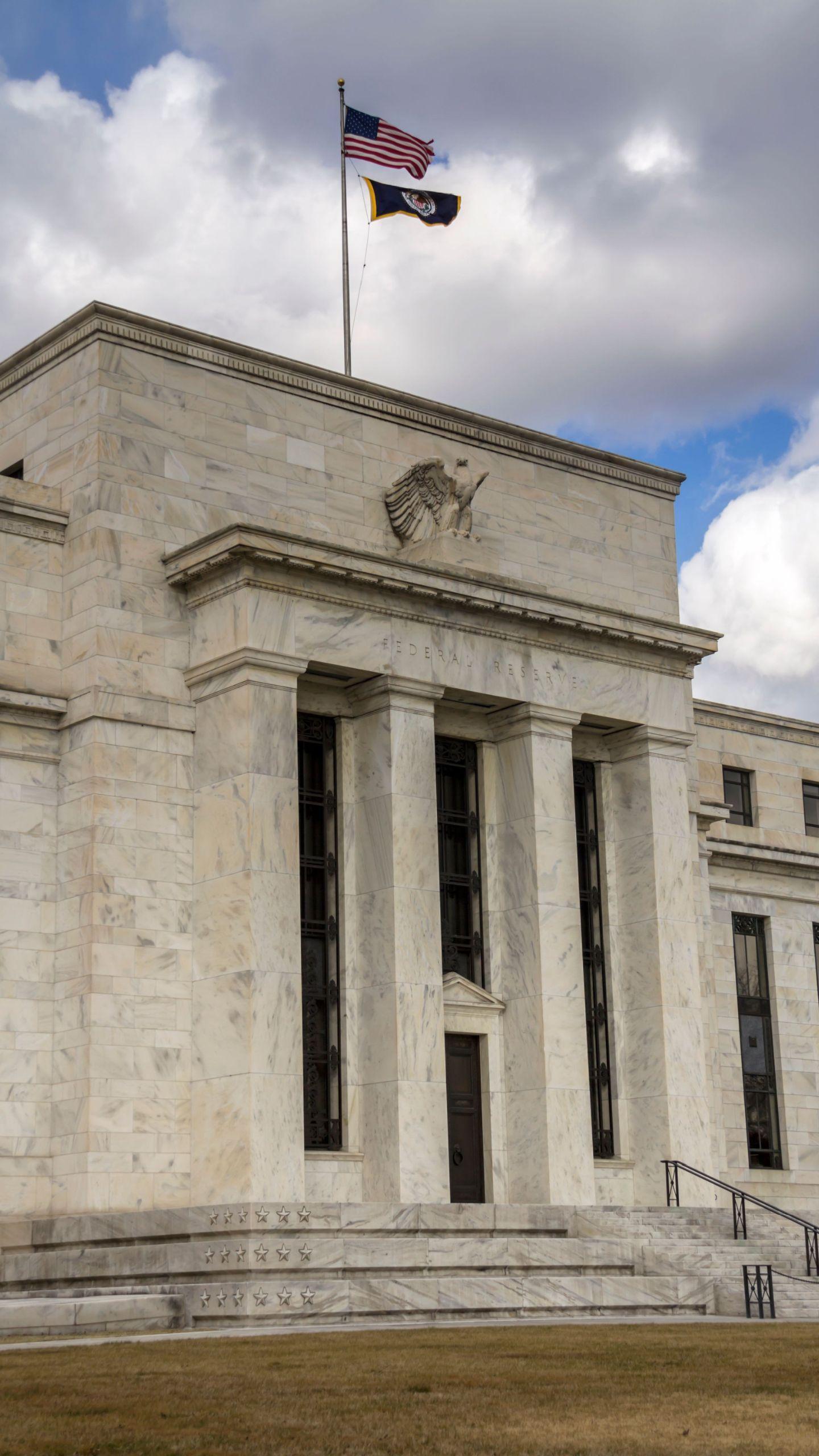
Federal Reserve minutes from the latest Federal Open Market Committee (FOMC) meeting indicate that while inflation in the U.S. remains above the 2% target, wage growth for most industries has lagged significantly
behind price increases. The Bureau of Labor Statistics reported inflation at 3.7% over the 12 months through September 2026. This disparity means that despite some sectors, particularly those related to the AI infrastructure boom, experiencing sizable wage premiums due to skilled worker shortages, the overall income growth for consumers is not keeping pace with rising costs. This situation is leading to a reduction in consumer spending power, as individuals are forced to either dip into savings or seek additional income through 'side hustles' to maintain their standard of living. The Fed's assessment suggests that the U.S. is not currently facing an inflationary wage-price spiral, which is a positive sign for their efforts to bring inflation down to the 2% target.
Why It's Important?
The persistent gap between inflation and wage growth has significant implications for the U.S. economy and its citizens. Consumers are experiencing a tangible decline in their purchasing power, making everyday necessities like groceries and gas increasingly unaffordable. This economic pressure could lead to reduced consumer spending, which is a major driver of economic growth, potentially slowing down the economy. While the absence of a wage-price spiral might ease the Federal Reserve's task of controlling inflation, it simultaneously places a heavier burden on households. The situation highlights a growing economic divide, where those in high-demand sectors like AI are relatively insulated, while the majority of the workforce faces financial strain. This could exacerbate social inequalities and lead to broader economic instability if not addressed.
What's Next?
The Federal Reserve has several weeks before its next rate-setting meeting in December, with market traders assigning a 91% probability of a 25 basis point rate hike. Some officials, like Fed Governor Christopher Waller, have even suggested a 50 basis point increase to 'shock people.' Such a move would further tighten financial conditions and increase borrowing rates, adding more pressure on consumers and the broader economy. While the Fed aims to bring inflation back to its 2% target, the current inflationary pressures are largely attributed to factors beyond its direct control, such as oil prices and AI-related demand. This suggests that the Fed might have to induce near-recessionary conditions in other parts of the economy to offset these influences, potentially leading to further economic slowdowns and increased hardship for consumers.
Beyond the Headlines
The current economic climate, characterized by high inflation and stagnant wage growth, points to a deeper structural issue within the U.S. economy. The reliance on 'side hustles' and the depletion of savings to cope with rising costs indicate a fundamental shift in how many Americans manage their finances. This trend could lead to long-term financial insecurity for a significant portion of the population, impacting retirement savings, homeownership aspirations, and overall economic mobility. Furthermore, the disproportionate wage growth in niche sectors like AI could widen the wealth gap, creating a more stratified society. The ethical implications of an economy where essential goods become increasingly unaffordable for the average worker, while a select few benefit from technological booms, warrant closer examination and potential policy interventions beyond monetary adjustments.