


What's Happening?
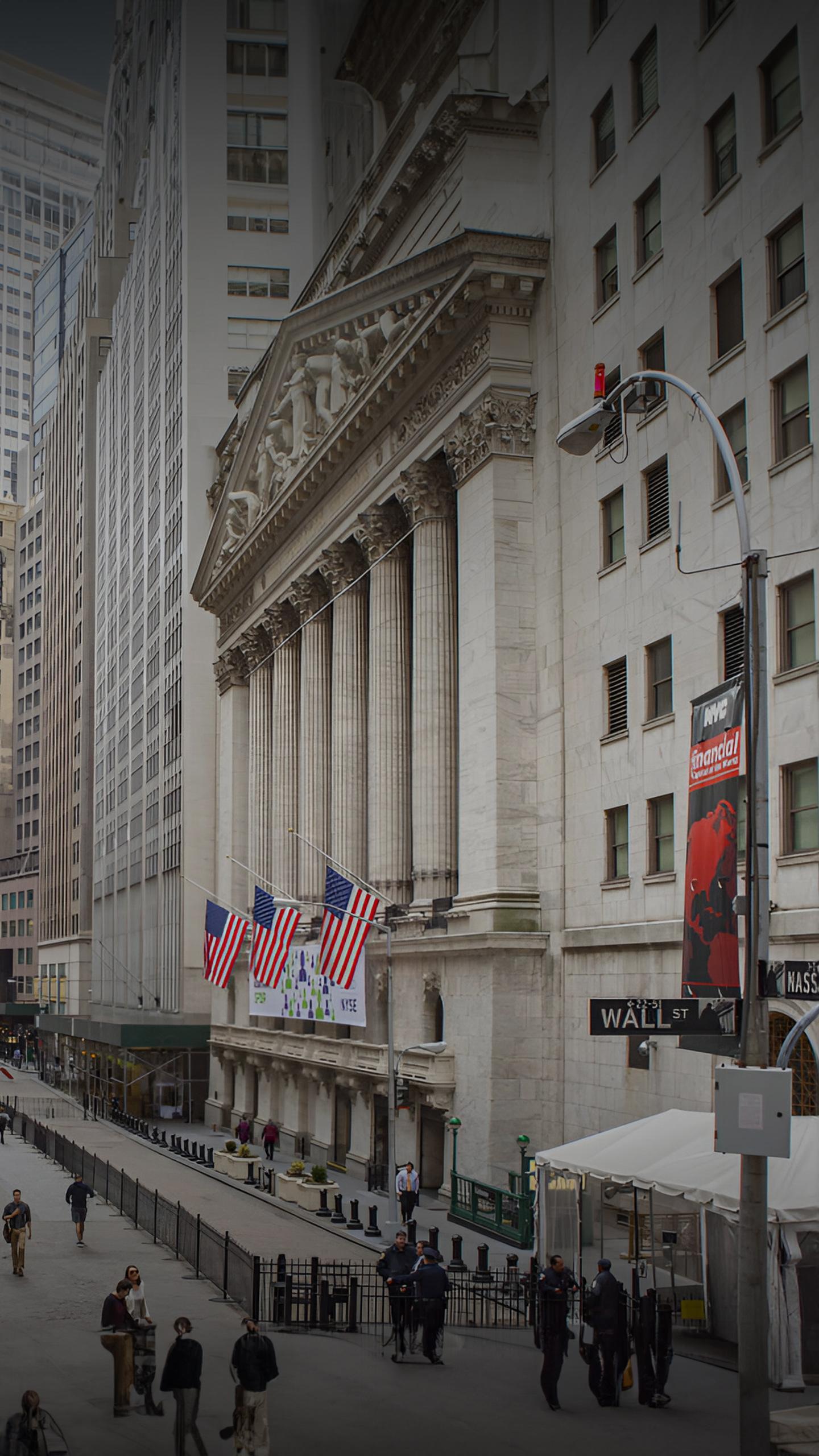
Wall Street is increasingly becoming the world's dominant stock market, with the United States accounting for 62.7% of the value of nearly all global listed shares as of mid-2026. This represents a significant
increase of over nine percentage points since 2016, despite the U.S. generating only about a quarter of global gross domestic product. This growing dominance is further underscored by the upcoming shift to near all-night trading on Nasdaq and NYSE Arca, aimed at accommodating global investors across different time zones. While other national exchanges, such as those in Italy, France, and the Netherlands, have consolidated into Euronext, and the London Stock Exchange attempted a merger with Germany's Frankfurt exchange, New York has emerged as the preferred global trading hub. Most other countries' shares of global equities are declining, with Britain's share falling to 3.1% (less than half its total a decade ago) and Japan's decreasing from 8.1% to 5.6%. The U.S. market is also attracting more new companies for initial public offerings, including major firms like SpaceX and Anthropic, and international companies such as Arm Holdings and Birkenstock are choosing to list in New York over their home markets.
Why It's Important?
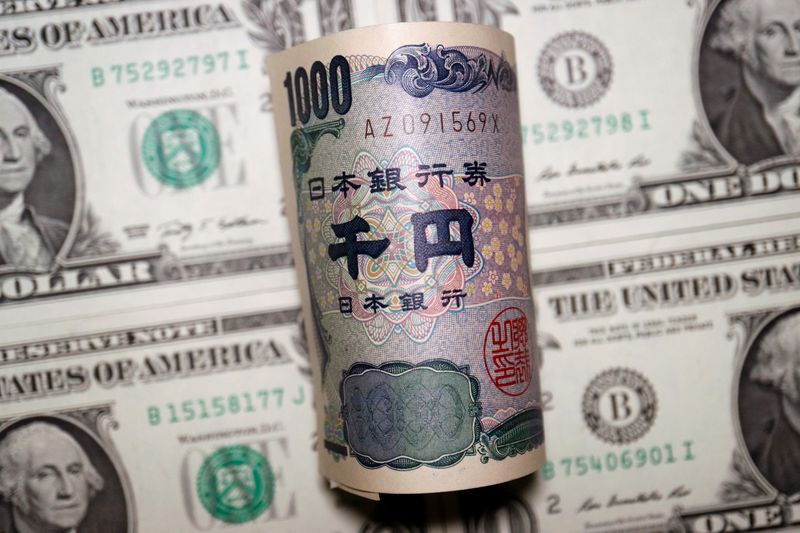
The increasing centralization of global equity trading on Wall Street signifies a major shift in the international financial landscape. This dominance provides the U.S. with what can be described as an 'exorbitant privilege,' similar to the dollar's role as the world's reserve currency. High trading volumes on American exchanges will generate substantial fees, create lucrative salaries, and contribute significant tax revenue, further strengthening the U.S. economy. It will also solidify the influence of American banks and settlement systems and reinforce the dollar's global standing, as all assets traded on Wall Street will be denominated in the U.S. currency. For U.S. industries, this means easier access to capital and potentially higher valuations for companies listed on American exchanges, creating a virtuous cycle that attracts more capital and more listings. This trend also has implications for global financial stability, as a greater concentration of wealth and trading activity in one market could amplify the impact of any significant market downturn.
What's Next?
The move to near all-night trading on Nasdaq and NYSE Arca is a direct step to further accommodate global investors and cement Wall Street's position as the world's primary stock market. To fully capitalize on this advantage, there may be discussions about giving other major countries a voice in U.S. securities regulation to foster greater international trust and participation. Additionally, there could be calls for guarantees that assets will not be weaponized by the White House against foreign entities, addressing concerns about political risk for international companies listing in the U.S. The continued influx of international IPOs and listings will be a key indicator of Wall Street's sustained appeal. However, potential risks such as a major market crash or a global retreat into economic nationalism could challenge this dominance. The U.S. government and financial institutions will likely continue to implement policies and infrastructure improvements to maintain and enhance this global leadership position.
Beyond the Headlines
The consolidation of global equity markets on Wall Street raises profound questions about financial sovereignty and geopolitical influence. As more of the world's wealth and corporate value become tied to U.S. exchanges, the economic leverage of the United States on the global stage will grow significantly. This could lead to increased scrutiny from other nations regarding U.S. financial policies and regulatory frameworks. There are also ethical considerations regarding the potential for market manipulation or the weaponization of financial assets in international relations. Culturally, it reinforces the perception of American economic power and innovation. Long-term shifts could include a greater harmonization of global financial regulations, driven by the need to manage a single, dominant market, or conversely, increased efforts by other nations to develop alternative financial hubs to counter U.S. dominance. The implications extend beyond economics, touching on international law, diplomacy, and the balance of global power.