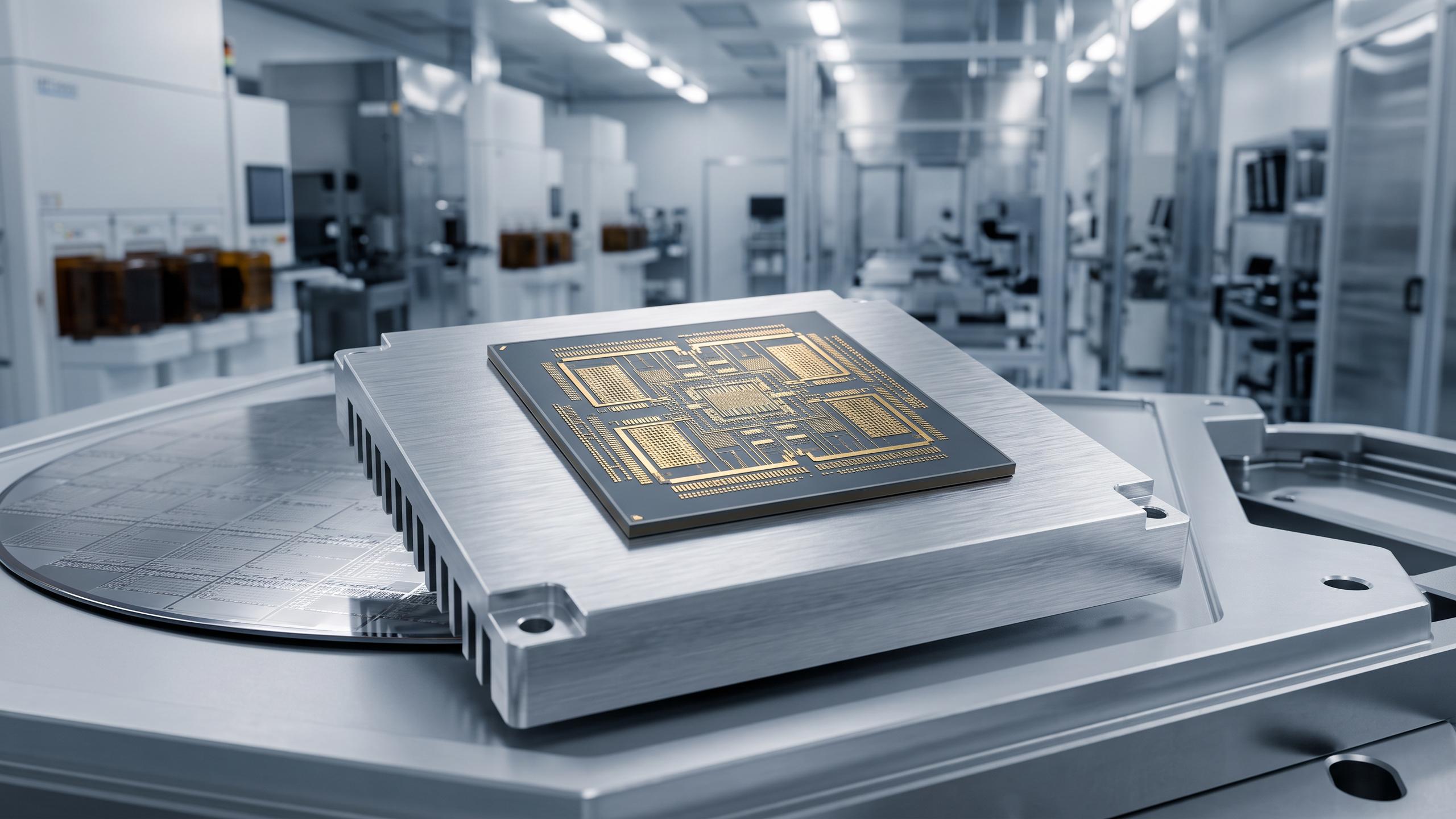




What's Happening?
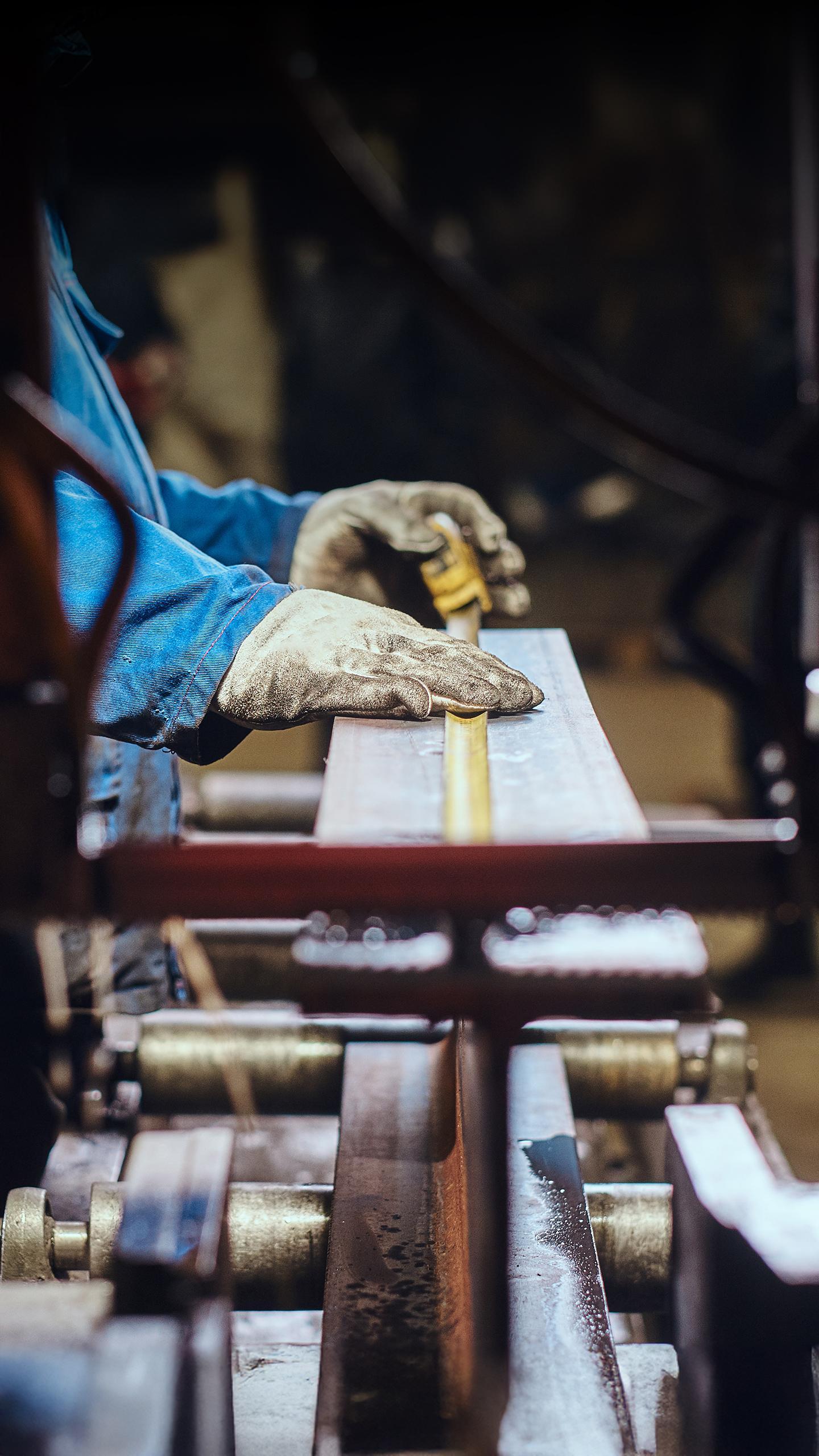
Industrial metalworking machinery encompasses a wide range of equipment used to cut, shape, drill, bend, grind, roll, or fabricate metal into finished parts and components. Common machines include drill presses,
lathes, milling machines, bandsaws, abrasive saws, hydraulic presses, shears, rollers, and grinders. The specific equipment required by a fabrication shop depends on the type of metal being worked and the operations needed for each project. Many shops initially acquire essential tools such as a saw, drill press, lathe, hydraulic press, and metal-forming machines, expanding their capabilities with rolling machines, shears, and dust collection systems as production grows. These machines are crucial for various industries, including manufacturing, construction, automotive, aerospace, agriculture, maintenance, education, and general fabrication, producing everything from structural components to custom metal fabrications.
Why It's Important?
The widespread use of industrial metalworking machinery is vital for the U.S. economy, underpinning numerous critical sectors. Manufacturing relies heavily on these machines to produce goods, from consumer products to complex industrial components, directly impacting supply chains and job creation. In construction, metalworking equipment is essential for creating structural elements, contributing to infrastructure development and urban expansion. The automotive and aerospace industries depend on precision metal fabrication for vehicle and aircraft parts, ensuring safety and performance. Agriculture utilizes these machines for equipment manufacturing and repair, supporting food production. The continuous demand for skilled operators and maintenance technicians for these machines also contributes to workforce development and specialized training programs across the country. The efficiency and reliability of this machinery directly influence the productivity and competitiveness of U.S. industries on a global scale.
What's Next?
The future of industrial metalworking machinery will likely see continued advancements in automation, precision, and material processing capabilities. As industries evolve, there will be an increasing demand for more sophisticated machines capable of handling new materials and complex designs. Manufacturers of metalworking equipment will focus on integrating smart technologies, such as IoT sensors and AI-driven analytics, to enhance operational efficiency, predictive maintenance, and overall productivity. The emphasis on safety and environmental compliance will also drive innovations in dust collection systems and energy-efficient machinery. Furthermore, the need for customized solutions will lead to more flexible and adaptable equipment designs, allowing fabrication shops to cater to diverse project requirements. Training programs for skilled labor will also need to adapt to these technological shifts to ensure a competent workforce for operating and maintaining advanced metalworking machinery.
Beyond the Headlines
Beyond their immediate industrial applications, metalworking machines represent a foundational element of technological progress and innovation. The ability to precisely manipulate metal has historically driven advancements in engineering, architecture, and even art. The ethical implications of automation in this sector include potential job displacement for manual laborers, necessitating a focus on retraining and upskilling programs to transition workers into roles that manage and maintain advanced machinery. Environmentally, the energy consumption and waste generation associated with metalworking processes highlight the ongoing need for sustainable practices and the development of greener technologies. Culturally, the craftsmanship involved in metalworking, from intricate designs to large-scale structures, reflects human ingenuity and problem-solving, shaping the built environment and industrial landscape of the U.S. The continuous evolution of these machines underscores a broader societal commitment to efficiency, precision, and material science.