


What's Happening?
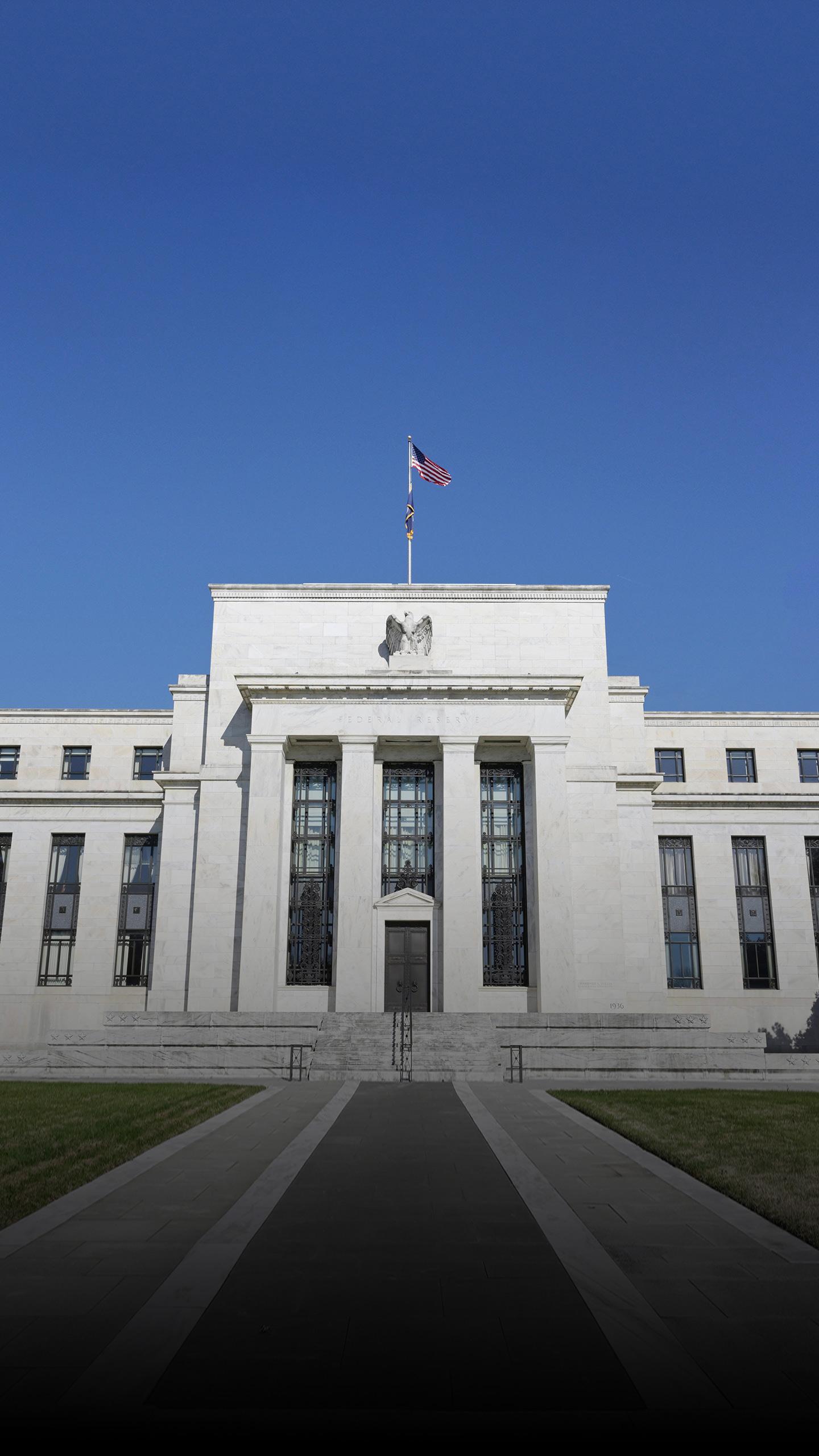
Dallas Fed President Lorie Logan has indicated a willingness to consider a faster pace of interest rate increases. This stance aligns with sentiments expressed by Governor Christopher Waller, who has also
advocated for more aggressive tightening by the Federal Reserve. Waller recently stated that the Fed should either implement a 50-basis-point rate hike in December or clearly signal a subsequent increase in January, especially after October's consumer price data exceeded forecasts. While JPMorgan Asset Management's David Kelly suggests a single December hike followed by a pause, Logan's comments suggest a potential for more hawkish action within the Federal Reserve. The debate centers on how best to address persistent inflation, with some policymakers leaning towards more decisive measures to maintain the Fed's credibility.
Why It's Important?
The potential for faster interest rate hikes, as signaled by Dallas Fed President Lorie Logan, carries significant implications for the U.S. economy. More aggressive tightening by the Federal Reserve could lead to higher borrowing costs for businesses and consumers, potentially slowing economic growth. Industries reliant on consumer spending, such as retail and housing, could face headwinds. Conversely, a more hawkish approach aims to curb inflation, which erodes purchasing power and creates economic uncertainty. Financial markets, particularly the stock market, are sensitive to the Fed's policy decisions; a faster pace of hikes could introduce volatility and impact investor sentiment. Businesses might find it more challenging to secure loans for expansion, while consumers could see increased costs for mortgages, car loans, and credit card debt. The Federal Reserve's actions are critical in balancing inflation control with maintaining economic stability.
What's Next?
The upcoming Federal Reserve meeting in December will be a critical juncture, as policymakers will decide on the next interest rate adjustment. The size of this move and any forward guidance provided will be closely scrutinized by financial markets and economic observers. If the Fed opts for a 50-basis-point hike or signals further aggressive tightening, it could lead to a re-evaluation of economic forecasts and investment strategies. Conversely, a smaller hike or a signal of a pause could provide some relief to markets. Key economic data, particularly November's Consumer Price Index (CPI) report, will heavily influence the Fed's decision-making. A significant drop in gasoline prices, as anticipated by some analysts, could strengthen the argument for a less aggressive approach, while persistent inflation could bolster calls for faster rate increases.
Beyond the Headlines
The discussion around the pace of interest rate hikes, highlighted by Dallas Fed President Lorie Logan's comments, reflects a broader tension within economic policy: the trade-off between controlling inflation and supporting economic growth. A rapid increase in interest rates, while effective in cooling an overheating economy, risks triggering a recession or significantly slowing down job creation. Conversely, a more gradual approach might allow inflation to become entrenched, leading to long-term economic instability. This policy dilemma has ethical implications, as the choices made by the Federal Reserve directly impact the financial well-being of millions of Americans, affecting everything from housing affordability to employment opportunities. The Fed's communication strategy is also crucial; clear and consistent messaging can help manage market expectations and prevent undue volatility, while ambiguity can lead to uncertainty and speculation.