
What's Happening?
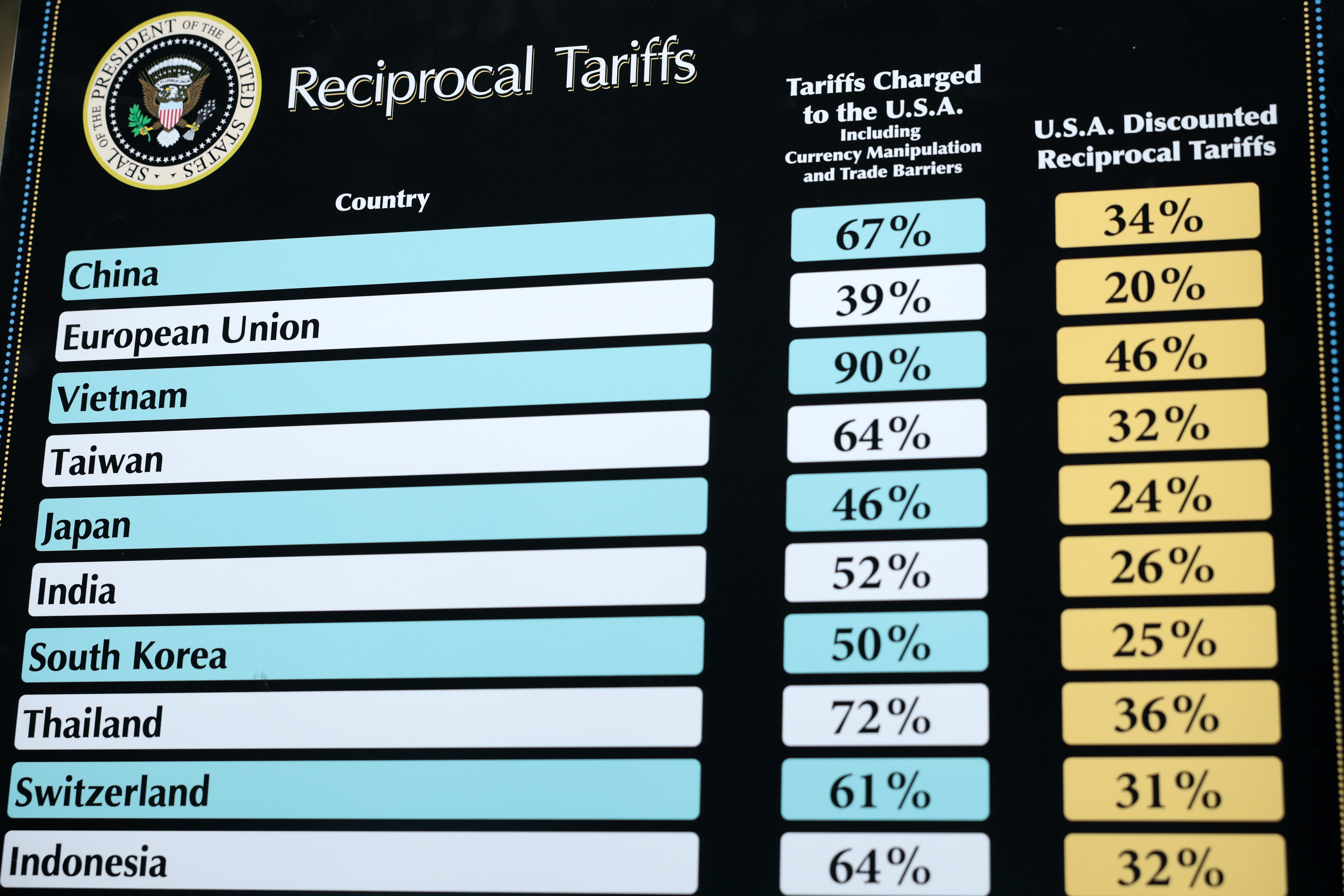
Companies that paid U.S. import tariffs under the International Emergency Economic Powers Act (IEEPA) may be eligible for refunds. These tariffs were applied to a wide array of imports, including goods
from China, Canada, and Mexico. The legal basis for these IEEPA tariffs has been successfully challenged, opening opportunities for importers to seek reimbursement from U.S. Customs and Border Protection (CBP). Eligibility for a refund depends on the liquidation status of the customs entry and adherence to specific CBP deadlines. Importers are advised to promptly review their affected imports to determine if they qualify for a refund. For entries not yet liquidated or liquidated within the last 80 days, refunds may be requested through an administrative procedure via the CBP customs portal. If more than 80 days have passed since liquidation, a formal protest procedure is generally required, with importers typically having up to 180 days from the liquidation date to file a protest with CBP.
Why It's Important?
This development is significant for U.S. businesses that have incurred substantial costs due to IEEPA tariffs. The potential for refunds offers a critical opportunity for companies to recover historical customs expenses, which could amount to significant sums. The ability to reclaim these duties can improve financial liquidity and potentially reduce operational costs for affected importers. This situation also highlights the dynamic nature of international trade law and the importance of staying informed about legal challenges to tariff impositions. Businesses that fail to act within the specified deadlines risk forfeiting their right to these refunds, underscoring the urgency for a thorough review of past import records and engagement with customs specialists.
What's Next?
Businesses that believe they are eligible for IEEPA tariff refunds should immediately assess their import data to identify affected entries and determine their liquidation status. They must also ascertain the applicable CBP filing deadlines, which vary based on whether the entry has been liquidated and how much time has elapsed since liquidation. Companies may need to engage customs and international trade specialists to navigate the refund or protest procedures effectively. The process could involve administrative requests through the CBP portal for recent liquidations or formal protests for older entries. The outcome of these claims will depend on individual company circumstances and their ability to meet the procedural requirements set by CBP.
Beyond the Headlines
The successful challenge to the legal basis of IEEPA tariffs could set a precedent for future trade policy disputes, emphasizing the importance of legal scrutiny in the implementation of economic powers. This situation also underscores the complex interplay between executive authority, international trade law, and the financial burden on businesses. It highlights the need for clear and consistently applied trade regulations to ensure fairness and predictability for importers. The recovery of these funds could also indirectly stimulate economic activity by freeing up capital for investment or operational expansion within the affected U.S. industries.