

What's Happening?
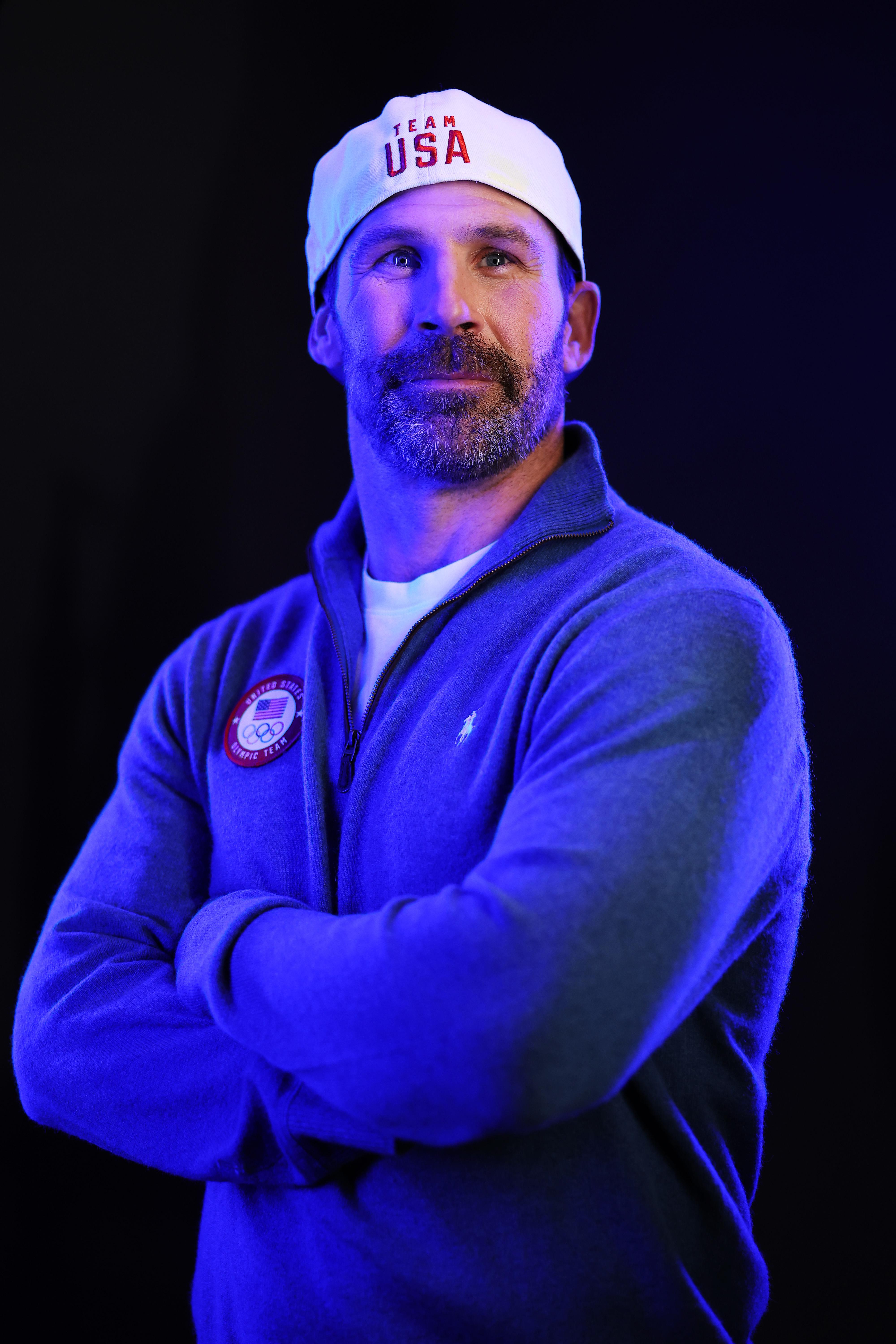
Team USA is actively seeking private investment for a new commercial venture designed to manage its commercial rights. This initiative involves creating a separate entity to hold domestic and global sponsorship
and licensing deals, content distribution, and direct-to-consumer sales. The United States Olympic and Paralympic Committee (USOPC), the nonprofit governing body for Team USA, is exploring potential investment from private equity firms or sovereign wealth funds. The goal is to enhance the overall revenue pie for the constituencies served by Team USA, with a particular focus on building a direct-to-consumer value proposition to better engage with fans and customize offerings. The timing of this move is strategic, as the committee is entering a renewal period in January for commercial rights that will take effect from 2029 onwards, necessitating financing now. The only carve-out from this venture is ticketing and hospitality for the Utah 2034 Winter Games, which will remain with the organizing committee for those games.
Why It's Important?
This move by Team USA signifies a growing trend in the sports industry where major sports entities are turning to private capital to unlock new revenue streams and enhance commercial operations. For the U.S. sports market, this could set a precedent for how national sports organizations manage their commercial assets, potentially leading to more sophisticated and data-driven fan engagement strategies. The involvement of private equity or sovereign wealth funds could bring substantial capital and business expertise, allowing Team USA to invest in technology, marketing, and direct fan interaction platforms. However, it also raises questions about governance and control, as a nonprofit sports body would need to carefully define investor rights regarding sponsorship decisions and athlete-related revenue. The success of this venture could influence other U.S. sports organizations to explore similar private investment models, transforming the financial landscape of American sports.
What's Next?
Team USA will continue to seek investors, with the renewal window for commercial rights opening in January being a critical period. The terms of any potential deal, including the valuation, stake size, and governance structure, will be crucial for both Team USA and prospective investors. The committee will need to decide how much of the venture is offered and at what valuation, as well as how control over sponsorship and athlete-related revenue will be shared. The outcome of these negotiations will likely be influenced by the commercial contracts secured during the upcoming renewal period, which will establish the revenue base for investors. The involvement of different types of investors, such as private equity buyers versus sovereign wealth funds, could lead to varying objectives and deal structures. For now, the initiative remains an intent to seek financing, with no specific offering terms or named investors publicly disclosed.
Beyond the Headlines
The pursuit of private investment by Team USA reflects a broader shift in how sports organizations view their commercial rights and fan relationships. By creating a separate vehicle to manage these rights and focusing on a direct-to-consumer strategy, Team USA aims to gain greater control over its brand and fan data, moving away from solely relying on third-party partners. This approach aligns with modern business trends emphasizing direct engagement and personalized experiences. However, it also introduces potential ethical and cultural considerations for a nonprofit entity like the USOPC. Balancing the commercial imperatives of private investors with the public mission and values of Olympic and Paralympic sports will be a delicate act. The long-term implications could include a more commercialized sports landscape, where financial performance and fan monetization become even more central, potentially impacting athlete welfare and the amateur spirit of the Games.