



What's Happening?
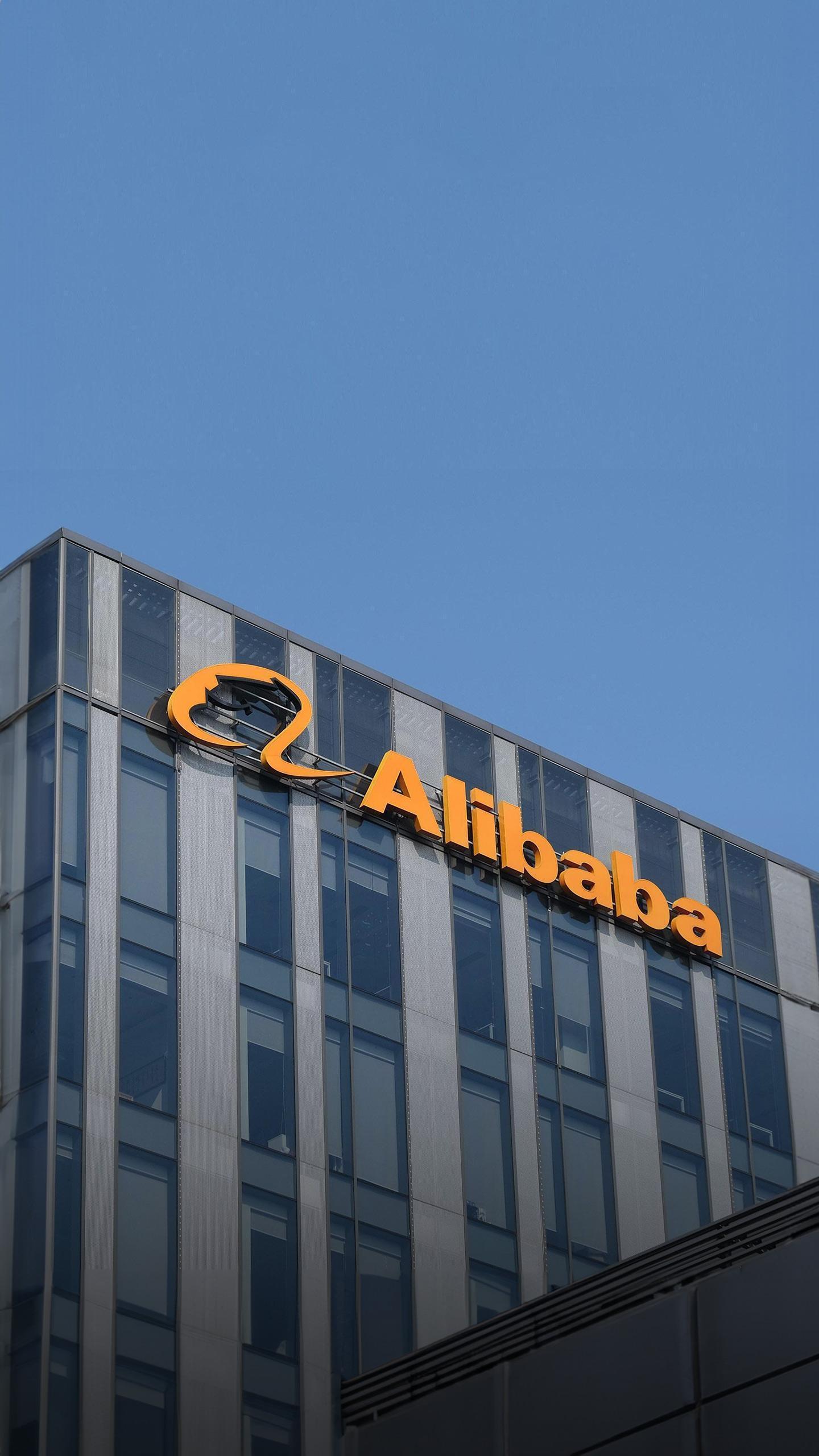
Alibaba's Hong Kong shares experienced a significant drop of up to 7.3% on November 12, impacting the Hang Seng Tech Index. This decline was triggered by a report indicating that U.S. Commerce Department
officials are preparing to finalize new rules. These rules aim to prevent Chinese AI firms from remotely utilizing advanced chips housed in overseas data centers. The proposed regulations would extend existing chip export controls to seven additional countries, including Malaysia, Singapore, and Thailand, effectively closing a loophole that allows Chinese companies to rent processors they cannot legally import. Bloomberg reported that Alibaba's reliance on Nvidia chips through Megaspeed International, a Singaporean firm under U.S. investigation, made it particularly vulnerable to this news compared to its peers like Tencent. The timing of this development is notable, as Alibaba had confidentially filed for a Hong Kong IPO for its T-Head chip unit just two days prior.
Why It's Important?
These impending U.S. chip curbs represent a significant escalation in technological restrictions against China, directly impacting the operational capabilities and growth prospects of major Chinese tech companies like Alibaba. For Alibaba, whose AI Cloud and Compute Services revenue saw a 45% increase last quarter, access to advanced chips is crucial for continued expansion, especially in its AI-related product segment which has seen consistent triple-digit growth. The new rules threaten to disrupt this supply, potentially hindering Alibaba's ability to 'accelerate further' as promised by CEO Eddie Wu. The broader implication for the U.S. is a reinforcement of its strategy to limit China's technological advancement, particularly in critical areas like artificial intelligence. This move could also prompt Chinese firms to further invest in domestic chip development and alternative supply chains, potentially accelerating technological decoupling between the two economic powers.
What's Next?
The U.S. Commerce Department is expected to finalize these new rules as early as this month. Alibaba's upcoming September-quarter report on November 19 will be closely watched for insights into how the company plans to secure compute resources and whether its cloud growth trajectory can be maintained amidst these new restrictions. The market will also be observing the performance of Alibaba's T-Head chip unit's IPO, which could be affected by the broader regulatory environment. Furthermore, the situation with Megaspeed International, which has been under U.S. investigation for over a year, adds another layer of uncertainty regarding chip supply for Chinese firms. The U.S. government's continued scrutiny of companies facilitating chip access to China suggests that further actions or investigations could follow, potentially impacting other firms in the supply chain.
Beyond the Headlines
The U.S. government's focus on 'rented compute' signifies a strategic shift in its export control policy, moving beyond direct hardware sales to encompass indirect access to advanced technology. This approach highlights the increasing sophistication of technological warfare and the challenges of enforcing such controls in a globally interconnected digital economy. Ethically, these measures raise questions about the extent to which governments can dictate how private companies utilize global computing infrastructure. Legally, the expansion of export controls to include services like remote chip access sets a precedent that could be applied to other critical technologies. Culturally, this ongoing technological competition could further entrench a 'tech Cold War' narrative, influencing international collaborations, research, and development in the long term. The long-term shift could see a more fragmented global technology landscape, with distinct ecosystems emerging based on geopolitical alignments.