


What's Happening?
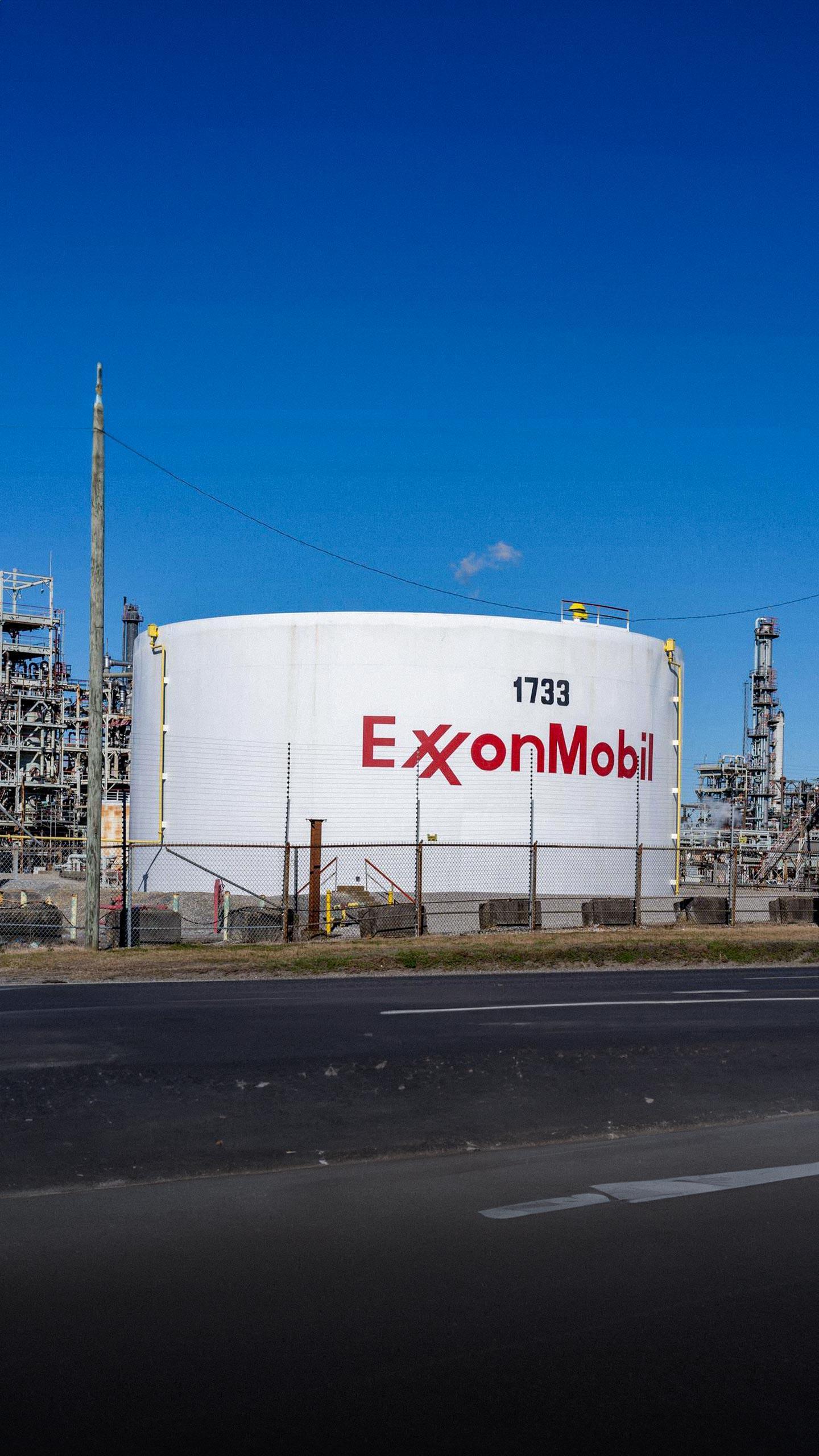
ExxonMobil has sanctioned an additional $12.5 billion investment for its Longtail development offshore Guyana, following necessary government and regulatory approvals. This project marks the eighth development within
the Stabroek block and is slated to commence operations in 2030. The Longtail project will expand ExxonMobil's production capabilities into non-associated natural gas and condensate-rich reservoirs, differing from previous crude oil-focused developments. Located in the southeastern portion of the Stabroek block, it will utilize a floating production, storage, and offloading vessel capable of processing 1.2 billion standard cubic feet of gas per day and producing up to 250,000 barrels of condensate daily. Approximately 45 subsea production and injection wells are planned to support the development. ExxonMobil Guyana Limited operates the Stabroek block with a 45% interest, alongside Hess Guyana Exploration (30%) and CNOOC Petroleum Guyana (25%). This investment follows the approval of Longtail’s field development plan by Guyana’s government.
Why It's Important?
This significant investment by ExxonMobil underscores the growing importance of Guyana as a major global offshore oil and gas development area. The Longtail project's focus on natural gas and condensate diversifies the Stabroek block's production mix, potentially providing a new source of energy for global markets. For Guyana, the project is expected to generate substantial economic activity, building on the $3.9 billion already spent with Guyanese suppliers by ExxonMobil Guyana and its contractors since 2015. The development will create additional opportunities in project construction, operations, and supply chain services, further expanding the network of local companies supporting offshore development. The potential for a future pipeline to transport gas to shore could also support the development of Guyana’s domestic natural gas infrastructure, offering long-term energy security and economic benefits for the nation.
What's Next?
The Longtail development is scheduled to begin operations in 2030, following a series of ongoing expansions in the Stabroek block, including the Uaru, Whiptail, and Hammerhead projects, which are expected to start production between 2026 and 2029. ExxonMobil will continue to manage the construction and deployment of the floating production, storage, and offloading vessel and the installation of subsea infrastructure. Future investment decisions, market demand, and the development of necessary infrastructure will determine if some of the gas produced from Longtail will be transported to shore via a pipeline, which could further enhance Guyana's domestic natural gas capabilities. The project's success will be closely watched by other international energy companies and governments in the region, potentially influencing future investment trends in offshore energy exploration and production.
Beyond the Headlines
The Longtail project represents a strategic shift for ExxonMobil in Guyana, moving beyond crude oil to include significant natural gas and condensate resources. This diversification could enhance the long-term sustainability of the Stabroek block's output and provide a more balanced energy portfolio. The substantial investment also highlights the complex interplay between international energy companies and host nations, where large-scale projects can drive economic growth but also raise questions about environmental impact and resource management. The potential for a gas pipeline to shore, while currently dependent on future decisions, could transform Guyana's energy landscape, fostering industrial development and reducing reliance on imported fuels. This development also positions Guyana as a key player in meeting global energy demand, particularly for cleaner-burning natural gas, which could have broader geopolitical implications for energy supply chains.