
What's Happening?
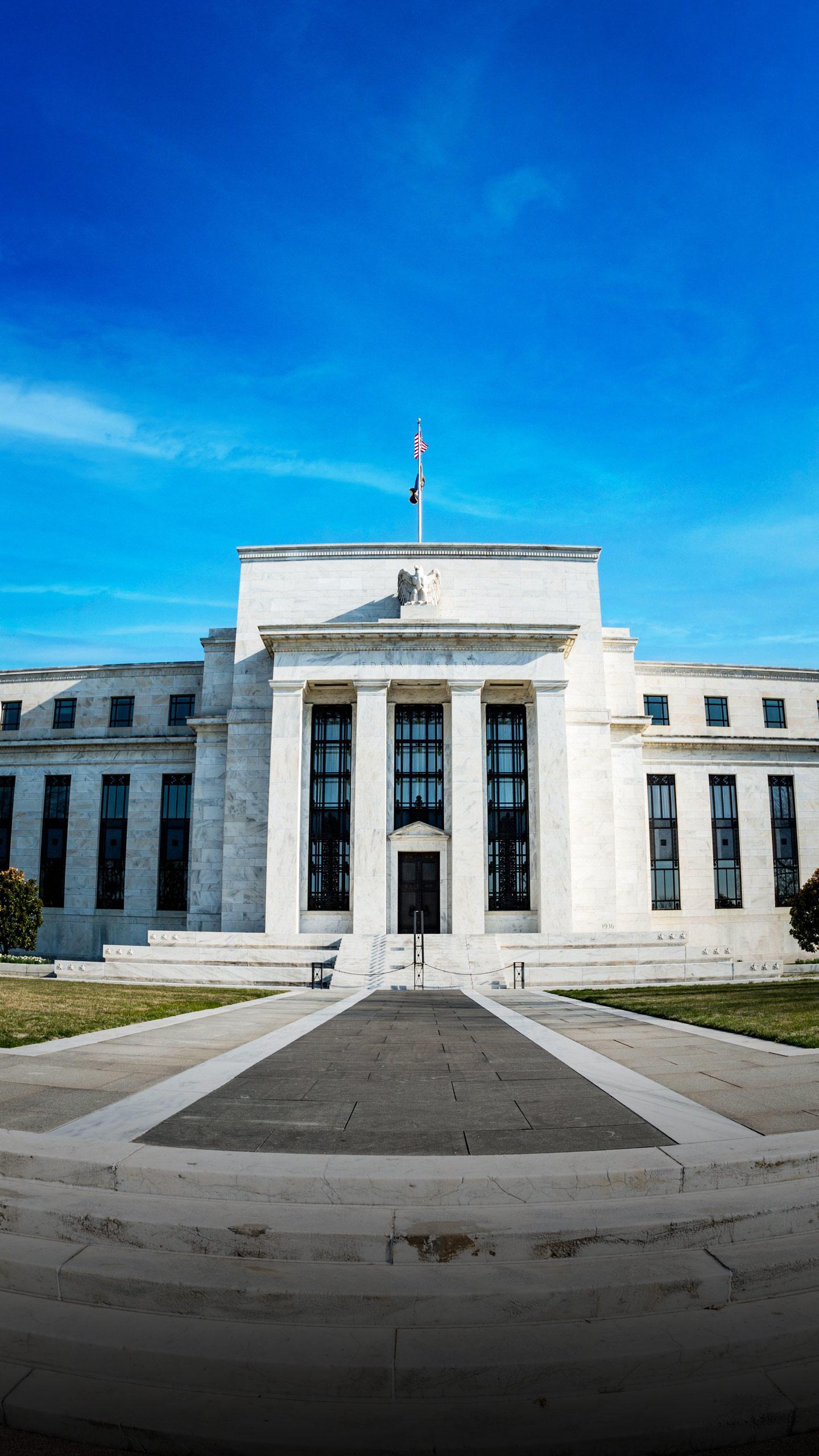
The Federal Open Market Committee (FOMC) is scheduled to hold its next meeting on December 8 and 9. Current market indicators, specifically futures markets tracked by the CME Group’s FedWatch Tool, suggest
a high likelihood of a quarter-point (25 basis point) increase in the federal funds rate. As of November 25, there is a 98.1% probability of such an increase, with only a 1.9% chance of no change. This comes after the federal funds rate target was held at 3.75% – 4.00% following the October 27 and 28 FOMC meeting, with the last change being a quarter-point increase on September 16. The U.S. Bureau of Economic Analysis (BEA) recently reported that the Personal Consumption Expenditures (PCE) price index, the Federal Reserve's preferred inflation gauge, rose 3.8% in the 12 months through October, and 3.3% excluding food and energy.
Why It's Important?
A potential quarter-point rate hike by the FOMC carries significant implications for the U.S. economy. An increase in the federal funds rate typically leads to higher borrowing costs across various sectors, including mortgages, small business loans, and consumer credit. For instance, the prime rate, which directly influences small business loan caps, is currently at 7.00%. A rate hike could further increase these costs, potentially impacting business expansion and consumer spending. While higher rates aim to curb inflation, they can also slow economic growth. The stability of the federal funds rate since September 16 has provided some predictability, but a December hike would signal the Fed's continued commitment to managing inflation, even if it means tighter financial conditions for businesses and individuals.
What's Next?
The primary focus will be on the outcome of the FOMC meeting on December 9. Should the Federal Reserve proceed with the anticipated quarter-point rate increase, financial markets will likely adjust to the new interest rate environment. Businesses and consumers should prepare for potentially higher borrowing costs. The decision will also be closely watched for any forward guidance from the FOMC regarding future rate adjustments, which could influence market expectations for early next year. Economists and analysts will be scrutinizing the Fed's statement for insights into their assessment of inflation trends and economic growth projections, which will shape investment strategies and lending practices in the coming months.
Beyond the Headlines
The Federal Reserve's ongoing strategy to manage inflation through interest rate adjustments reflects a delicate balancing act. While the immediate impact of a rate hike is often felt in borrowing costs, the broader implications extend to investor confidence, currency valuations, and international trade. A sustained period of higher interest rates could strengthen the U.S. dollar, making American exports more expensive and imports cheaper, which could affect trade balances. Furthermore, the Fed's decisions influence global financial markets, as other central banks often consider the U.S. monetary policy when setting their own. The long-term effectiveness of these rate adjustments in achieving price stability without triggering a significant economic slowdown remains a key concern.