



What's Happening?
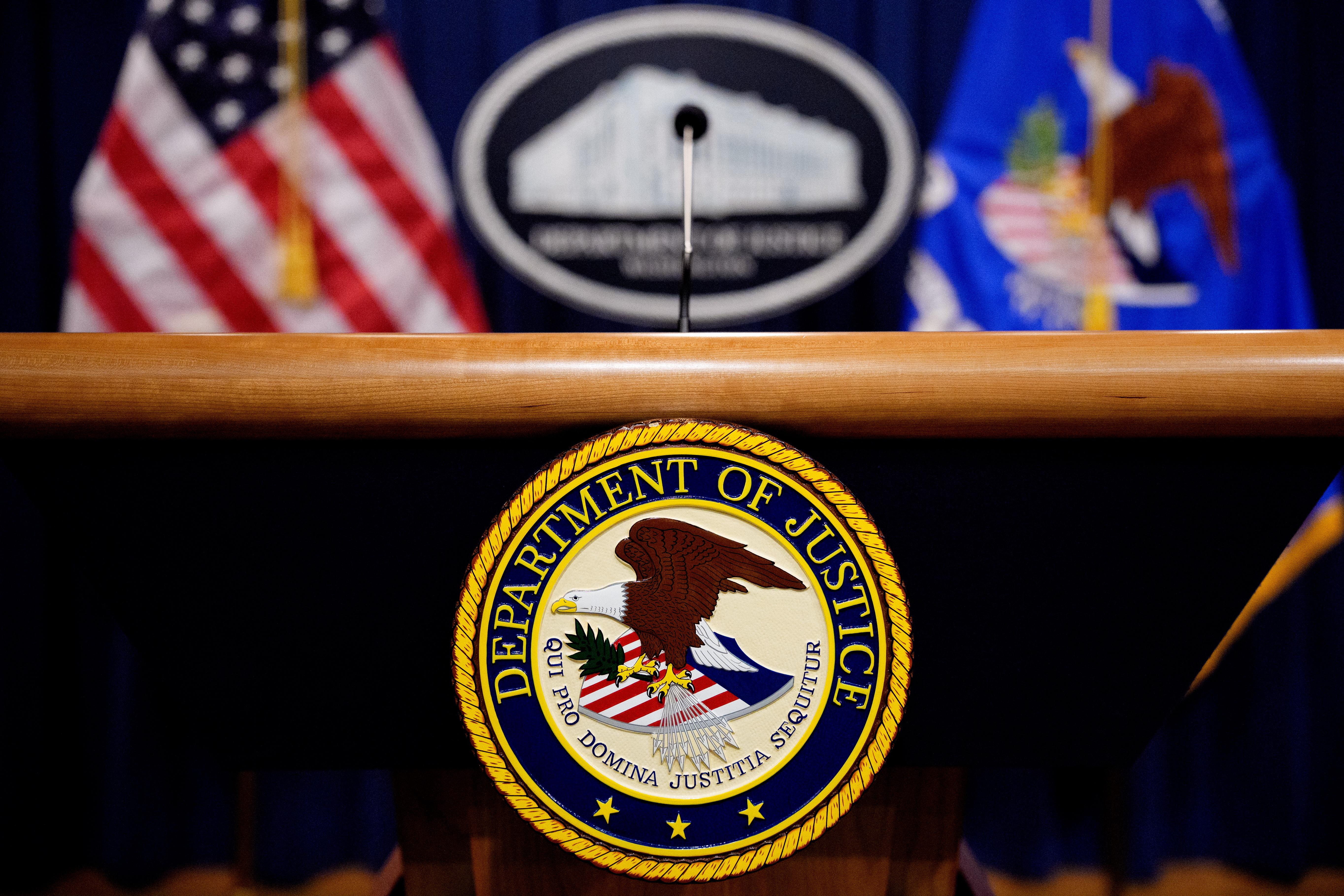
The U.S. Justice Department has initiated a grand jury investigation into potential criminal price-fixing within the containerboard market. Several prominent packaging companies, including Smurfit Westrock,
International Paper, and Packaging Corporation of America (PCA), have disclosed in regulatory filings that they received subpoenas related to proceedings in Chicago federal court. Cascades also confirmed receiving a subpoena in September concerning the investigation. All implicated companies have stated their cooperation with authorities. Smurfit Westrock's filing specified that the inquiry pertains to the pricing and sale of containerboard and related products. This investigation follows a class-action lawsuit filed last year, which alleged that containerboard manufacturers had conspired to fix prices for their products starting from 2020. The lawsuit named Smurfit Westrock, International Paper, PCA, Cascades, Koch Industries’ Georgia-Pacific, Greif, and Pratt Industries as defendants. The Justice Department has not yet accused any of these companies or their employees of criminal wrongdoing, and a grand jury investigation does not automatically lead to charges.
Why It's Important?
This investigation carries significant implications for the U.S. packaging industry and the broader economy. The containerboard market, which has seen considerable consolidation over recent decades, is crucial for numerous sectors relying on packaging materials. Allegations of price-fixing, if proven, could indicate anti-competitive practices that inflate costs for businesses and consumers. Major producers have already increased prices multiple times this year, citing lower demand, inflationary pressures, and high freight costs. The Independent Packaging Association has previously noted that such price increases reflect the market dominance of a small group of producers. A finding of price-fixing could lead to substantial fines, legal repercussions for the companies involved, and potentially a restructuring of pricing practices within the industry. This could also impact the competitive landscape, potentially benefiting smaller players or leading to increased scrutiny of mergers and acquisitions in the sector.
What's Next?
The grand jury investigation will proceed with the cooperation of the subpoenaed companies. The Justice Department will analyze the gathered evidence to determine if criminal charges are warranted against any of the involved companies or individuals. The outcome of this investigation could range from no charges being filed to indictments and subsequent legal proceedings. Concurrently, the existing class-action lawsuit will likely continue, potentially influenced by the findings of the federal inquiry. Stakeholders, including businesses that purchase containerboard and consumer advocacy groups, will closely monitor developments. Any legal actions or penalties could lead to shifts in market pricing strategies, potentially affecting supply chain costs for a wide array of products that rely on containerboard packaging. The industry may also face increased regulatory oversight regarding pricing and market consolidation.
Beyond the Headlines
Beyond the immediate legal and economic ramifications, this investigation highlights broader concerns about market concentration and its potential impact on fair competition. The containerboard industry's consolidation over recent decades has created an environment where a few major players hold significant market power. This situation often raises questions about whether market forces alone are sufficient to ensure competitive pricing or if regulatory intervention is necessary. The case could set a precedent for how antitrust laws are applied in consolidated industries, particularly in sectors critical to the national supply chain. It also underscores the ongoing tension between corporate strategies to achieve economies of scale through mergers and acquisitions, and the public interest in preventing monopolistic practices that could harm consumers and smaller businesses. The outcome may influence future antitrust enforcement actions across various U.S. industries.