



What's Happening?
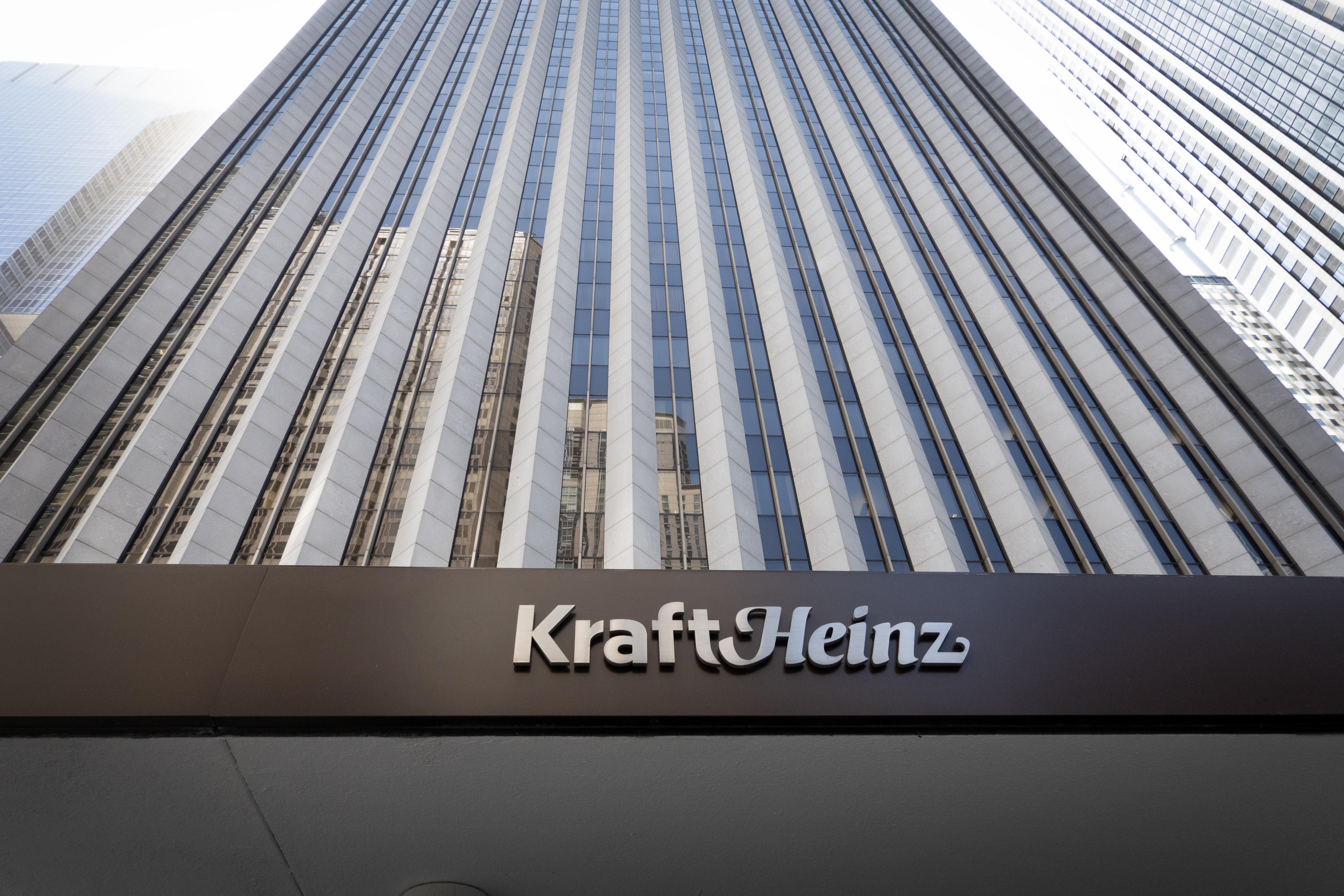
Kraft Heinz CEO Steve Cahillane has outlined the company's strategic shift, emphasizing a significant investment of over $700 million to revitalize its brands and drive growth. Cahillane noted that while
Kraft Heinz possesses extraordinary assets, including iconic brands like Heinz, these assets were previously underinvested. This underinvestment led to a decline in brand relevance, innovation, and distribution. The new strategy focuses on building, earning, and delivering value from these existing assets rather than reinventing the company. The $700 million incremental investment in 2026 was allocated across marketing, product development, research and development, strategic pricing, and commercial talent. These investments are now integrated into the company's base spending. Initial results indicate positive traction, with global market share improving by 30 basis points and organic net sales trends improving by 250 basis points from 2025 to 2026 year-to-date. Volume trends are also showing improvement across all regions, with emerging markets experiencing double-digit growth.
Why It's Important?
This strategic investment by Kraft Heinz is crucial for its long-term competitiveness in the U.S. and global food markets. By reinvesting in its core brands, the company aims to regain market share and consumer relevance, which had eroded due to past underinvestment. The focus on innovation, particularly in health and wellness products (nearly half of new products will address needs like less sugar, more protein, and natural ingredients), directly responds to evolving consumer preferences. This move could set a precedent for other established food companies facing similar challenges of maintaining relevance in a dynamic market. Success in this strategy could lead to increased revenue, improved profitability, and a stronger market position for Kraft Heinz, benefiting shareholders and reinforcing its status as a major player in the consumer packaged goods industry. Conversely, failure to execute effectively could further diminish its market standing against agile competitors and private labels.
What's Next?
Kraft Heinz plans to continue its investment strategy, with the $700 million now forming part of its base spending. The company will focus on three clear growth priorities: strengthening its 'WIN BIG' portfolio in developed retail markets, expanding in emerging markets, and growing its 'Away From Home' segment in developed markets. The success of these investments will be continuously monitored through metrics like household penetration and brand health, with capital reallocated if specific initiatives do not meet return hurdles. The company anticipates that different investments will yield returns over varying timelines, with full benefits expected to materialize in 2027 and 2028. Kraft Heinz will also continue to evaluate its portfolio, open to targeted acquisitions and partnerships in strategic growth areas, and potentially divesting assets that do not align with its long-term vision, as seen with the North America Coffee divestiture.
Beyond the Headlines
The Kraft Heinz strategy reflects a broader industry trend where established consumer goods companies are grappling with the need to adapt to rapidly changing consumer demands and increased competition from smaller, more agile brands. The emphasis on 'earning consumer choice' highlights a shift from relying solely on brand legacy to actively innovating and meeting contemporary consumer needs, particularly in health and wellness. This approach also underscores the importance of sustained investment in marketing and R&D, which can often be deprioritized during periods of cost-cutting. The company's commitment to aligning its operating model and incentive structures to drive profitable top-line growth suggests a fundamental cultural shift aimed at fostering agility and accountability. This strategic pivot could serve as a case study for how legacy brands can successfully navigate market disruption and maintain their competitive edge in a consumer-driven landscape.