



What's Happening?
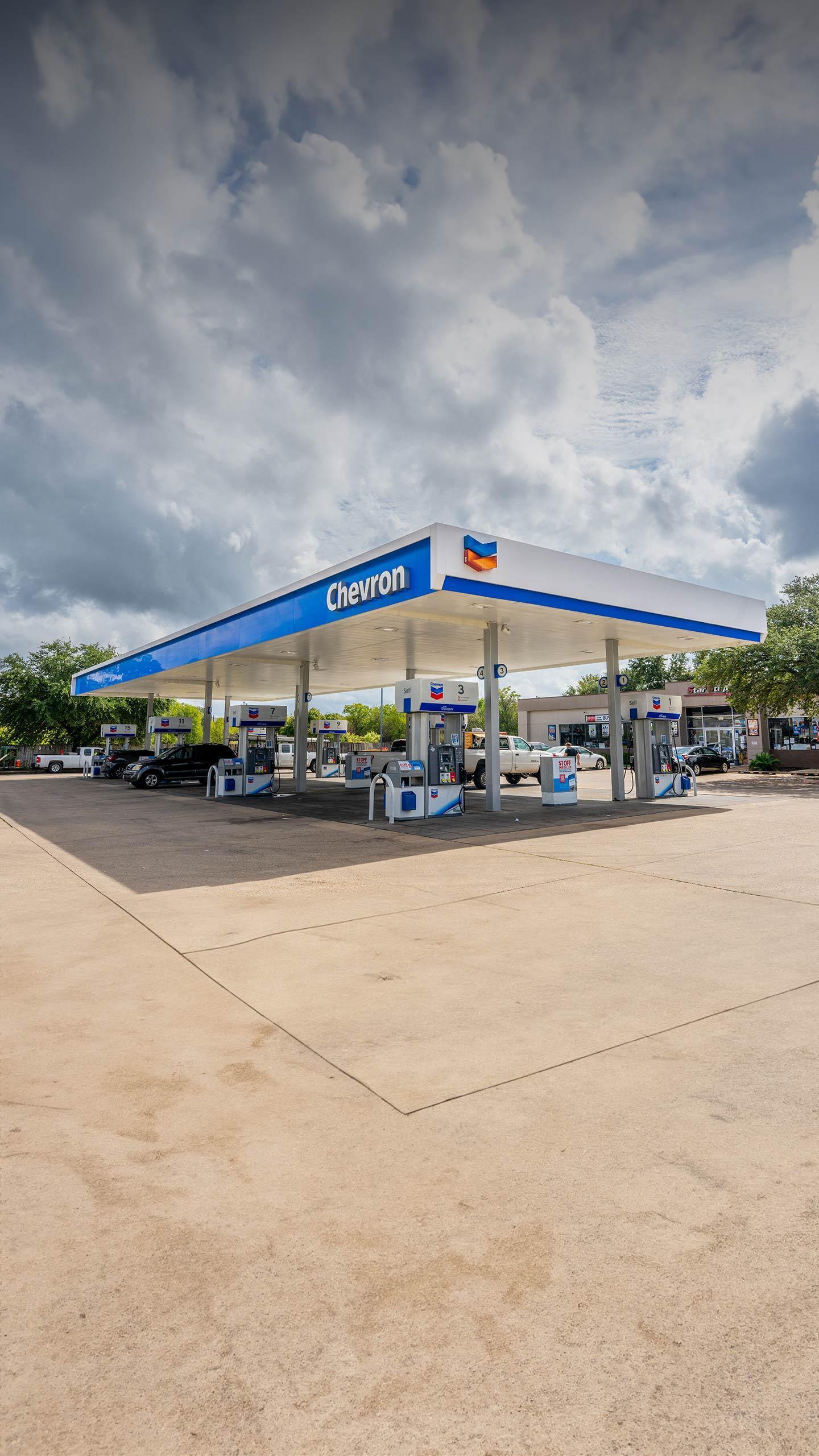
Chevron U.S.A. Inc., a subsidiary of Chevron Corporation, has announced it will resume operations at its biodiesel production facility in Ralston, Iowa. This decision follows an improvement in biodiesel market
conditions and is supported by a commercial and operational agreement with Landus Cooperative, an Iowa-based agriculture services cooperative. The Landus facility, which processes over 28 million bushels of soybeans annually, will provide an efficient feedstock supply chain for the Ralston plant. Chevron had idled the facility in 2024 due to a market downturn. Once fully operational, the Ralston facility is expected to produce nearly 42 million gallons of biodiesel per year, which is enough to fuel over 275,000 typical 18-wheelers. The restart will be a staged process, including staffing, maintenance, safety, and operational-readiness activities before production resumes. This move aims to increase the supply of biodiesel to regional customers and support the broader diesel market.
Why It's Important?
The restart of Chevron's Ralston biodiesel facility is significant for several reasons. It signals a positive shift in the renewable fuels market, indicating improved economic viability for biodiesel production. For Iowa farmers, it creates increased opportunities for their soybean crops, as the Landus facility, the largest mechanical crush facility in the U.S., will supply the feedstock. This initiative also contributes to strengthening the American fuel supply, particularly in the context of tight global oil markets, by increasing the availability of renewable diesel. Chevron's commitment to expanding its renewable fuel production capacity aligns with broader energy transition goals and efforts to diversify the nation's energy portfolio. The move is also expected to generate employment and contracting opportunities within the Ralston region, providing an economic boost to the local community.
What's Next?
The restart of the Ralston facility will proceed in stages, beginning with staffing, maintenance, and safety checks before production recommences. Chevron and Landus Cooperative will continue their collaboration to ensure a smooth and efficient supply chain for soybean feedstock. The increased biodiesel production is expected to gradually enter the market, enhancing fuel supply for regional customers and potentially influencing diesel prices. The creation of new employment and contracting opportunities in the region will be assessed as the facility ramps up to full operation. This development could also encourage further investment in renewable fuel infrastructure and production across the U.S., especially if market conditions remain favorable, potentially leading to more partnerships between energy companies and agricultural cooperatives.
Beyond the Headlines
This development highlights the evolving landscape of the U.S. energy sector, where traditional energy companies like Chevron are increasingly integrating renewable fuel production into their operations. It underscores the critical role of agricultural partnerships in the renewable energy supply chain, linking soybean farmers directly to the production of biofuels. The decision to restart the facility after a market downturn also illustrates the sensitivity of renewable fuel production to market conditions and policy incentives. Furthermore, it reflects a broader strategic effort by energy companies to meet growing demand for cleaner fuels while maintaining energy security. This move could also set a precedent for other idled renewable fuel facilities to resume operations, contributing to the nation's energy independence and environmental goals.