
What's Happening?
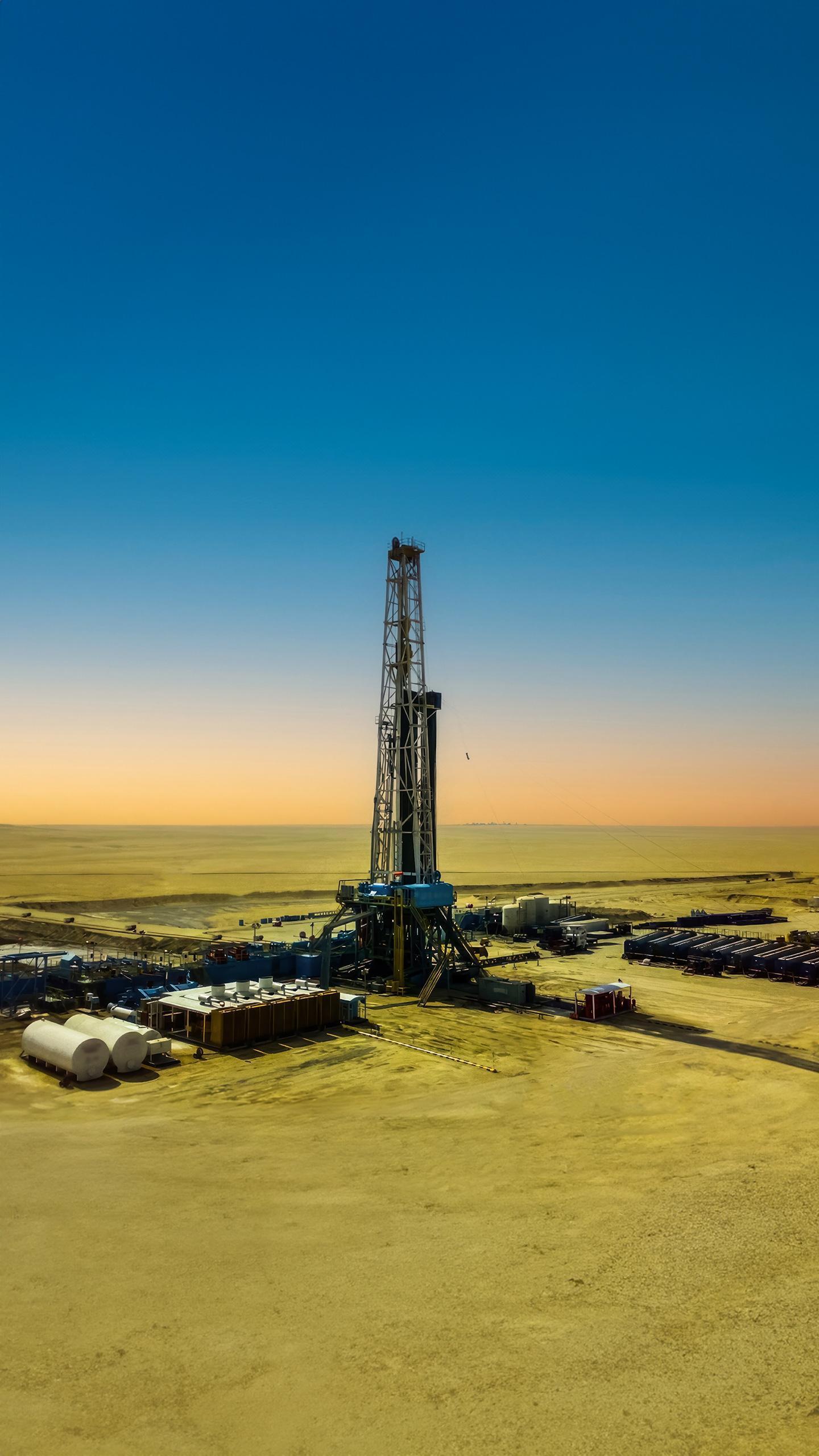
ConocoPhillips, a significant global upstream player, is strategically positioned to benefit from the current robust oil pricing environment. The company boasts a substantial presence in the Lower 48 states,
encompassing prolific regions such as the Permian Basin, Eagle Ford, and Bakken. According to Zacks Equity Research, ConocoPhillips has explicitly stated that its U.S. mainland operations possess sufficient oil and gas drilling locations to sustain development for over two decades, ensuring long-term growth prospects. The company's integrated business model, which includes exploration, production, and midstream operations, allows it to generate stable cash flows across various market cycles. This integrated approach, combined with favorable crude pricing, underpins a positive outlook for its exploration and production activities.
Why It's Important?
The strong positioning of ConocoPhillips is significant for the U.S. energy sector and broader economy. As one of the largest upstream players, its continued development and production contribute substantially to domestic energy supply and independence. The company's extensive reserves in key U.S. shale plays mean sustained economic activity, job creation, and tax revenues in these regions. Furthermore, the stability provided by its integrated business model helps mitigate the volatility often associated with the oil and gas industry, offering a more reliable energy source. The ability to capitalize on high oil prices directly impacts the company's profitability, which can translate into shareholder returns and further investment in U.S. energy infrastructure, reinforcing the nation's energy security.
What's Next?
ConocoPhillips is expected to continue leveraging its vast U.S. reserves and integrated business model to maximize returns in the prevailing high oil price environment. The company's long-term development plans in the Permian Basin, Eagle Ford, and Bakken suggest ongoing investment in drilling and infrastructure. This sustained activity will likely lead to consistent production volumes and cash flow generation. The broader U.S. Oil & Gas Integrated industry, which includes ConocoPhillips, is also exploring diversification into renewable energy, indicating a potential shift towards cleaner energy investments in the future. However, the immediate focus remains on optimizing existing oil and gas assets to meet current energy demands and capitalize on favorable market conditions.
Beyond the Headlines
The sustained success of companies like ConocoPhillips in the U.S. upstream sector highlights the ongoing strategic importance of fossil fuels in the national energy mix, even as discussions around energy transition intensify. The long-term viability of these operations, as evidenced by ConocoPhillips' two-decade drilling outlook, underscores the economic and geopolitical realities that shape energy policy. While there's a growing push for renewable energy, the continued reliance on and profitability of traditional oil and gas resources present a complex challenge for policymakers aiming to balance energy security, economic stability, and environmental goals. This dynamic interplay will likely influence future regulatory frameworks and investment trends in the U.S. energy landscape.