



What's Happening?
The Bank Policy Institute (BPI) has expressed significant concerns regarding material gaps in anti-money laundering (AML) and countering the financing of terrorism (CFT) safeguards within the digital asset
ecosystem. BPI highlights that while banks play a crucial role in identifying suspicious activity, their visibility into digital asset transactions is limited, particularly concerning unhosted wallets, decentralized exchanges, liquidity pools, mixers, tumblers, and cross-chain bridges. These tools are increasingly exploited by hostile nation-states, sanctions evaders, fraud operators, and criminal networks. BPI points to the October 29, 2026, North Korean hack of $6.36 billion from Binance as an example of the growing illicit use of cryptocurrencies. The institute argues that digital asset intermediaries, unlike banks, often lack comparable legal obligations to protect the financial system, creating avenues for illicit finance.
Why It's Important?
This issue is critical for U.S. national security and the integrity of the financial system. The exploitation of digital asset gaps by illicit actors, including those involved in sanctions evasion by Iran, North Korea, and Russia, poses a direct threat to U.S. interests. The current regulatory framework, which imposes stringent AML/CFT requirements on traditional banks but not equally on all digital asset intermediaries, creates an uneven playing field and incentivizes criminals to use less regulated channels. This situation undermines the effectiveness of existing financial crime prevention efforts and could lead to a significant increase in money laundering, terrorist financing, and sanctions evasion. For U.S. financial institutions, this means their efforts to comply with regulations can be circumvented, making it harder to track and prevent illicit funds from entering or leaving the traditional banking system.
What's Next?
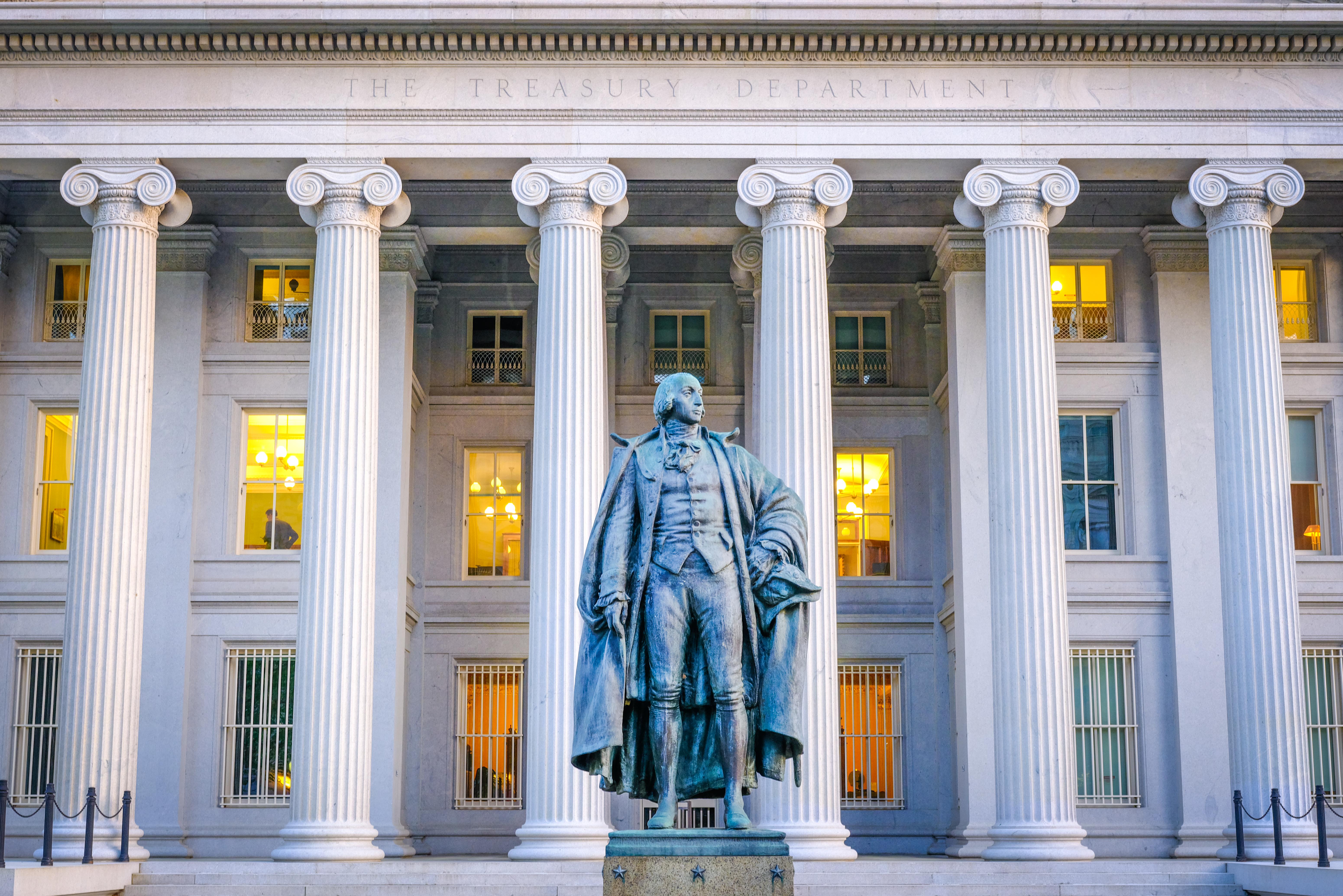
BPI recommends that the Treasury Department, through FinCEN, use its existing authorities to close these regulatory gaps and impose obligations on digital asset intermediaries across the payment chain. They suggest designating all digital asset service providers as 'financial institutions' under the Bank Secrecy Act (BSA) and subjecting them to comprehensive AML/CFT obligations. If existing authority is insufficient, BPI urges Treasury to seek targeted legislative authority from Congress. Furthermore, BPI recommends that Treasury proactively address the limitations on its authority to sanction obfuscating tools like mixers and tumblers. The institute also calls for Treasury to convene stakeholders to facilitate information sharing across the digital asset ecosystem. These recommendations suggest a push towards a more unified and comprehensive regulatory approach for both traditional and digital finance.
Beyond the Headlines
The debate over regulating digital assets highlights a fundamental challenge in adapting traditional financial regulations to rapidly evolving technologies. The BPI's letter underscores the tension between fostering innovation in the digital asset space and ensuring robust safeguards against illicit activities. The withdrawal of previous FinCEN proposals, citing public comments and a deregulatory agenda, suggests a complex policy environment where balancing these objectives is difficult. This situation could lead to a two-tiered financial system where traditional finance is heavily regulated, while parts of the digital asset ecosystem remain less scrutinized, potentially creating systemic risks. The long-term implications include a potential redefinition of 'financial institution' and a significant expansion of regulatory oversight into decentralized finance, which could reshape the future of digital currency adoption and use in the U.S. and globally.