



What's Happening?
Hertz is transitioning its used car sales business to primarily online channels and its existing rental network, leading to the closure of its dedicated Hertz Car Sales retail locations. This strategic
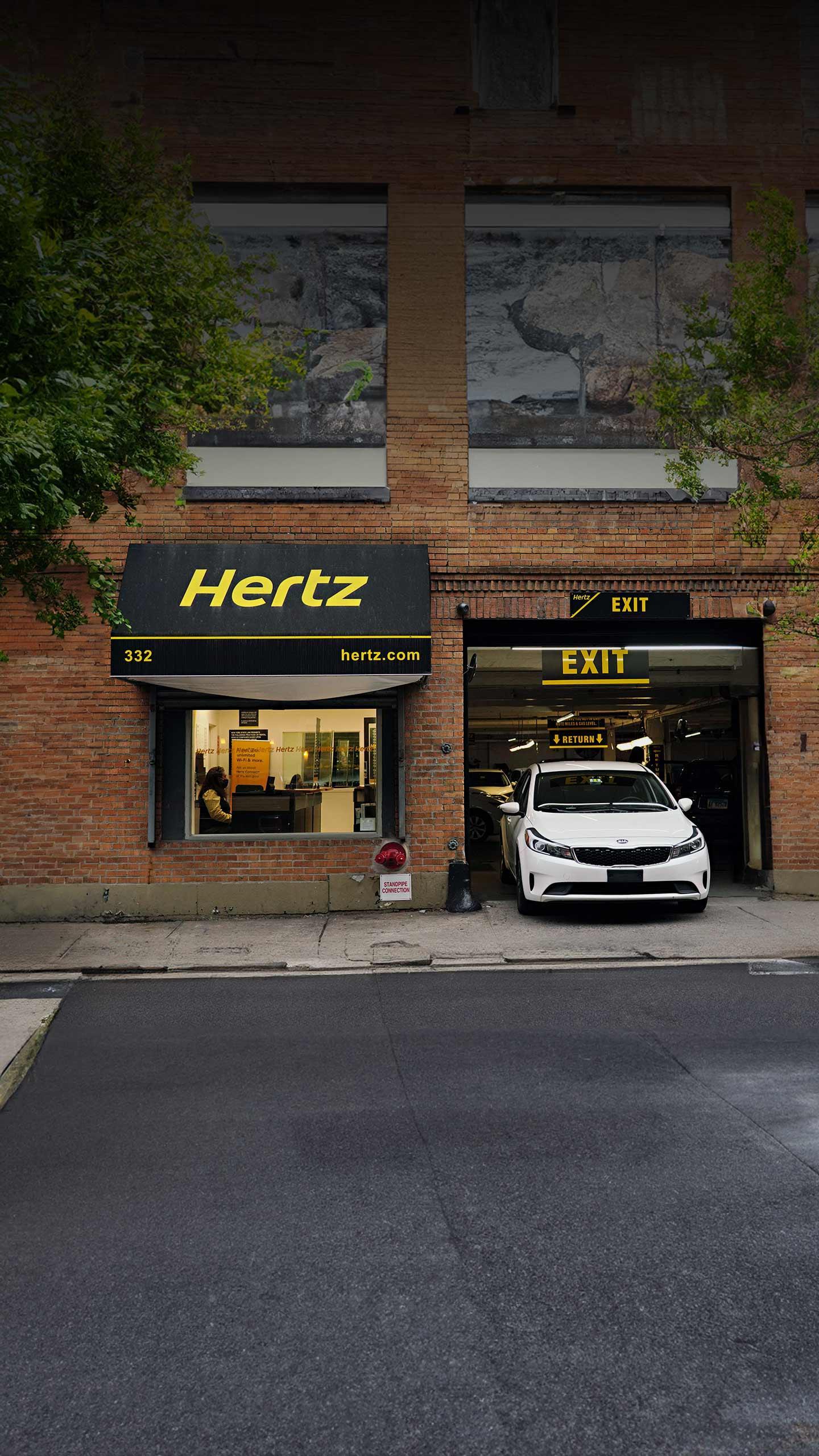
shift was confirmed by the company in an email to CBT News. Over the past year, Hertz has expanded its online presence, including joining Amazon Autos in August 2025, launching a fully online buying experience on HertzCarSales.com in September 2025, and subsequently adding an eBay showroom. The company's Senior Director of External Communications, Lauren Luster, stated that this evolution aims to meet customers' preferences for how and where they shop. While the exact number of locations to be closed and the timeline for these closures have not been disclosed, Hertz had 45 dedicated sales locations as of September 2025. Vehicles will continue to be available through HertzCarSales.com, Amazon Autos, eBay, and via TestDrive+ at over 300 Hertz rental locations.
Why It's Important?
This move by Hertz signifies a broader trend in the automotive retail industry towards digitalization and e-commerce, reflecting changing consumer behaviors and preferences. By focusing on online sales and leveraging its extensive rental network, Hertz aims to streamline its operations and potentially reduce overhead costs associated with physical dealerships. This strategy could allow the company to capture higher prices for its used vehicles compared to wholesale auctions, which is crucial given the pressures from softer used-car pricing and a fourth-quarter 2025 loss. The shift also highlights the increasing importance of integrated online platforms and partnerships with major e-commerce players like Amazon and eBay for traditional businesses. Competitors in the used car market may observe Hertz's success or challenges with this model, potentially influencing their own sales strategies and accelerating the adoption of online-first approaches.
What's Next?
Hertz will proceed with the closure of its dedicated car sales locations, although specific details regarding the number and timeline remain unannounced. The company will continue to enhance its online sales platforms and integrate its used car sales more deeply into its rental network. This transition will likely involve optimizing logistics for vehicle delivery and customer service for online purchases and returns. Other automotive retailers and rental companies will be closely watching Hertz's performance to assess the effectiveness of a fully online-focused sales model for used vehicles. The success of this strategy could prompt further consolidation or transformation within the used car market, with a greater emphasis on digital showrooms and direct-to-consumer sales channels. Hertz will also need to manage any potential impact on its workforce associated with the closure of physical locations.
Beyond the Headlines
Hertz's strategic pivot underscores a fundamental shift in consumer expectations regarding convenience and accessibility in purchasing high-value items like cars. This move could further blur the lines between traditional retail and e-commerce, pushing other industries to re-evaluate their physical footprints. The reliance on major online marketplaces like Amazon and eBay also highlights the growing power of these platforms as distribution channels, potentially leading to increased competition for visibility and customer engagement within these ecosystems. Furthermore, the decision reflects a broader industry effort to improve profitability in the used vehicle market, where margins can be tight. The long-term implications could include a reduction in the number of physical used car dealerships, a greater emphasis on digital marketing and customer relationship management, and potentially new business models for vehicle ownership and subscription services.