



What's Happening?
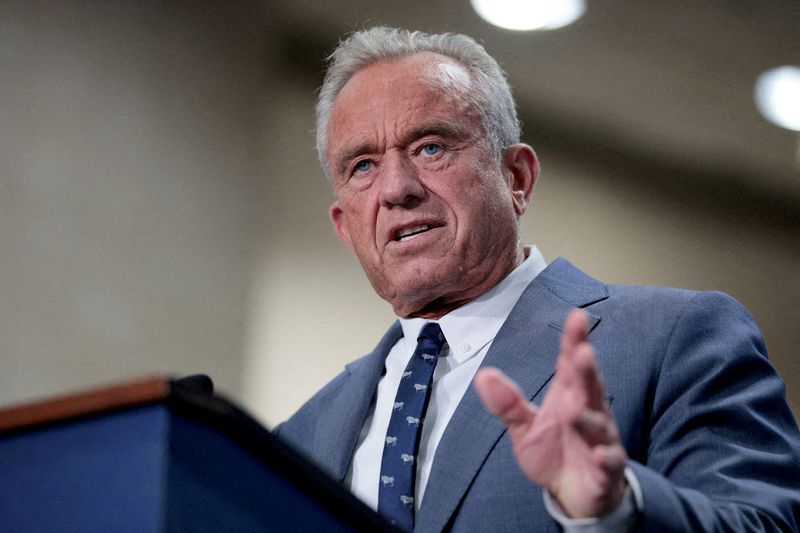
Delta Air Lines CEO Ed Bastian has indicated that the airline is closely monitoring AI-powered fare-shopping agents, adopting a 'nuanced' approach that prioritizes customer privacy. While acknowledging
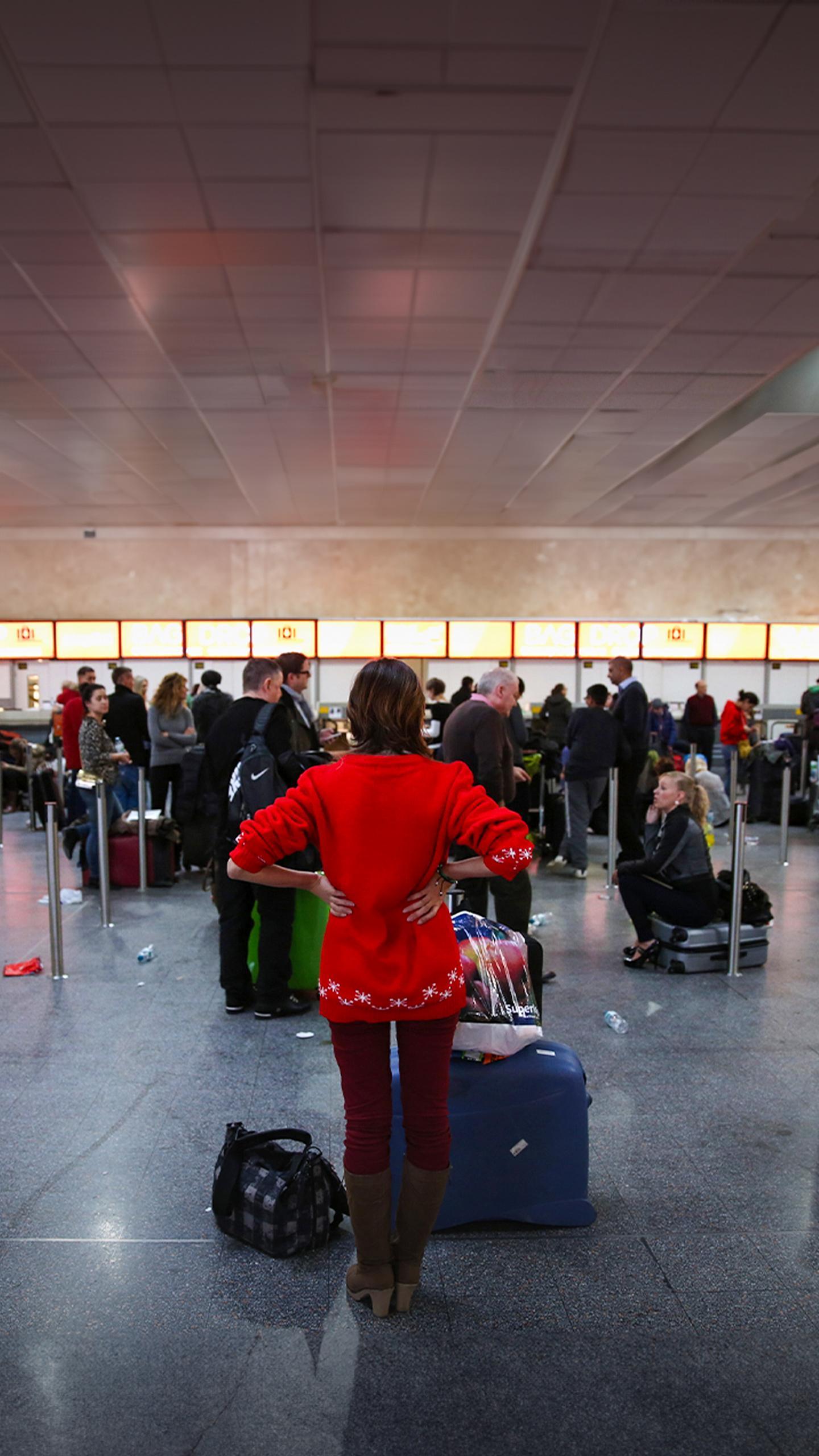
the increasing activity of these agents, Bastian noted that their current usage remains relatively small despite significant media attention. Delta possesses the technology to identify and track these automated agents, ensuring that customer privacy is maintained. This cautious stance comes as Delta anticipates strong holiday travel demand, with Bastian observing that consumers continue to prioritize experiences, leading to sustained high demand for air travel despite increased prices driven by fuel costs and general operational expenses. Delta has largely managed to protect its profit margins despite the challenging oil environment.
Why It's Important?
Delta's strategy regarding AI fare-shopping agents reflects a critical juncture for the airline industry in balancing technological advancement with consumer protection. By carefully observing and understanding these AI tools, Delta aims to integrate them in a way that benefits customers without compromising privacy or data security. This approach could set a precedent for how other U.S. airlines interact with emerging AI technologies, influencing industry standards for data handling and customer interaction. The sustained strong demand for holiday travel, despite higher prices, indicates a robust consumer appetite for experiences, which is a positive sign for the travel and tourism sector of the U.S. economy. However, the ongoing challenge of high oil prices continues to pressure airline profitability, potentially leading to further fare adjustments that could impact consumer spending.
What's Next?
Delta Air Lines will likely continue to refine its policies and technological capabilities to manage AI fare-shopping agents, potentially leading to new guidelines for their use or integration into Delta's booking systems. The airline will also focus on capitalizing on the strong holiday travel demand, which may involve optimizing flight schedules and service offerings. The persistent high oil prices will necessitate ongoing strategic adjustments to maintain profitability, possibly through fuel hedging, operational efficiencies, or dynamic pricing models. The broader airline industry will be watching Delta's approach to AI and its ability to navigate fuel cost challenges, potentially adopting similar strategies to ensure competitiveness and customer satisfaction.
Beyond the Headlines
The emergence of AI fare-shopping agents introduces a new dynamic to the competitive landscape of the travel industry. These agents could empower consumers with more efficient price comparisons, potentially driving down fares or increasing price transparency. However, they also raise questions about fair competition, data ownership, and the potential for algorithmic bias in pricing. Delta's emphasis on customer privacy in this context highlights the growing importance of ethical AI development and deployment. The sustained consumer demand for travel, even with higher costs, points to a broader societal trend where experiential spending is prioritized, suggesting a shift in consumer values that could have long-term implications for various sectors of the U.S. economy beyond just travel.