



What's Happening?
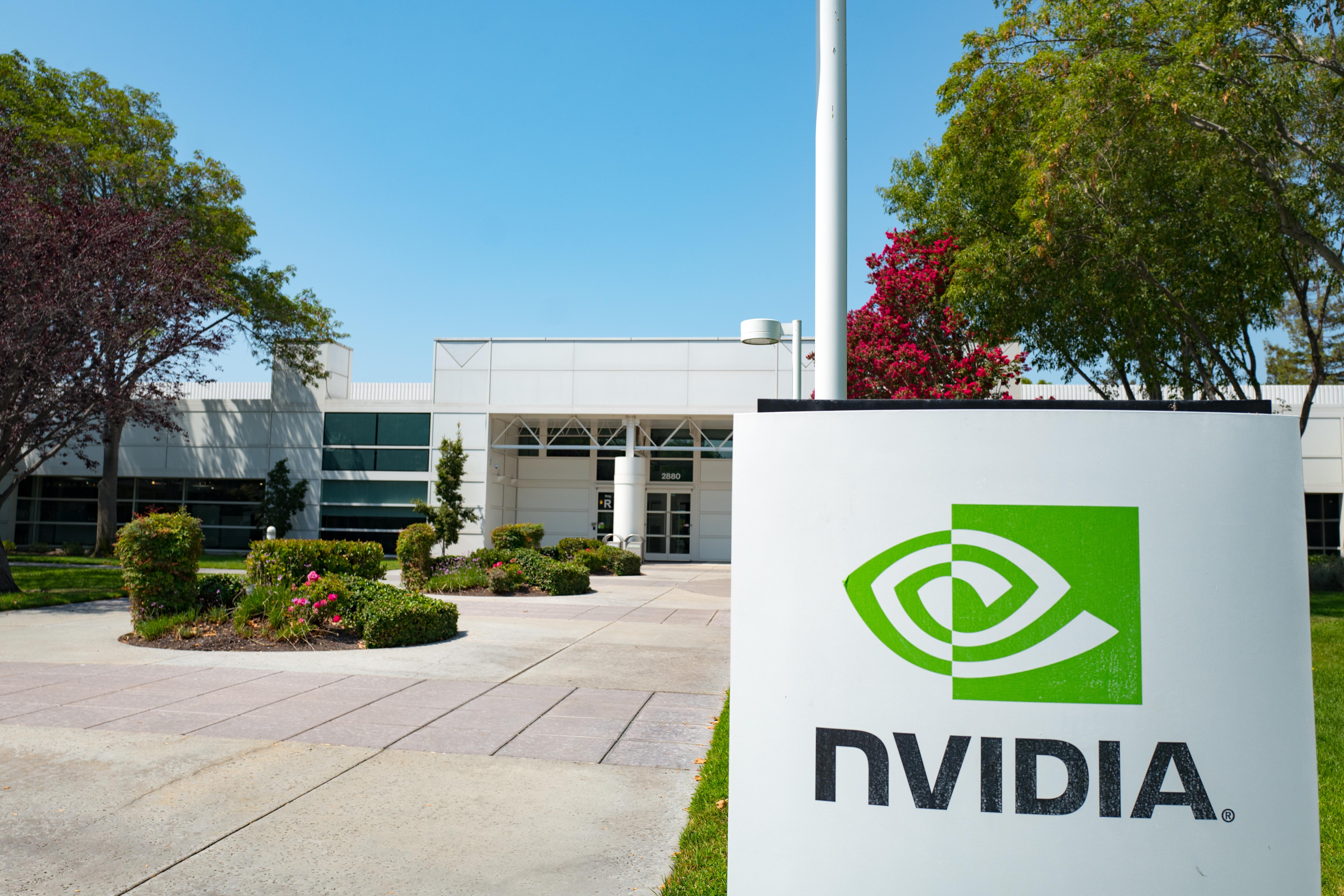
Following the unexpected departure of Nvidia CEO Jensen Huang, retail investors are increasingly focusing on alternative AI infrastructure stocks. This event has caused significant volatility in Nvidia's
stock, with intraday swings exceeding 14%, prompting investors to look beyond the single dominant player in the AI market. The shift in attention is towards other companies that enable AI infrastructure, as investors seek new opportunities in the sector. Simply Wall St has identified several such companies, including Viavi Solutions, Nan Ya Printed Circuit Board, and Tripod Technology, which are seen as positively exposed to this evolving landscape. These companies provide essential components and services, such as network and optical test tools, advanced printed circuit boards, and complex PCBs, that underpin AI-ready data centers and high-performance computing.
Why It's Important?
The sudden change at Nvidia's leadership has created uncertainty around the future trajectory of a key AI market leader, compelling retail investors to diversify their AI-related holdings. This re-evaluation is significant because it could lead to a broader distribution of investment across the AI infrastructure ecosystem, rather than concentrating capital in a few large-cap companies. For the identified companies like Viavi Solutions, Nan Ya Printed Circuit Board, and Tripod Technology, this increased retail investor interest could translate into greater demand for their stocks, potentially boosting their valuations and providing capital for further growth. This trend also highlights the growing sophistication of retail investors, who are actively seeking out 'under the radar' opportunities and performing due diligence beyond the most prominent market players. The shift could also foster greater competition and innovation within the AI infrastructure sector as more companies gain access to investment capital.
What's Next?
Retail investors are expected to continue scrutinizing AI infrastructure companies, looking for those with strong fundamentals and growth potential. The focus will likely remain on companies that provide critical components and services for AI data centers and high-performance computing. Analysts and financial platforms will likely offer more detailed insights into these alternative AI enablers to guide investor decisions. Companies in this sector may experience increased trading activity and potentially higher stock valuations as retail investors seek to capitalize on the broader AI trend. The long-term impact will depend on the sustained performance of these companies and the continued growth of the AI industry, which relies heavily on robust infrastructure. The market will also be watching for any further developments regarding Nvidia's leadership and its implications for the AI sector.
Beyond the Headlines
The incident underscores the inherent risks associated with over-reliance on a single company, even a market leader, within a rapidly evolving technological sector like AI. It prompts a deeper consideration of the entire supply chain and infrastructure that supports AI development and deployment. For retail investors, this event serves as a reminder of the importance of diversification and identifying foundational technologies that enable broader industry growth. The shift towards 'non-Nvidia AI infrastructure enablers' suggests a maturing understanding of the AI ecosystem, moving beyond just chip manufacturers to include companies providing testing gear, printed circuit boards, and other essential components. This broader perspective could lead to more resilient investment portfolios and a more robust, distributed AI industry, less susceptible to single-point failures or leadership changes.