



What's Happening?
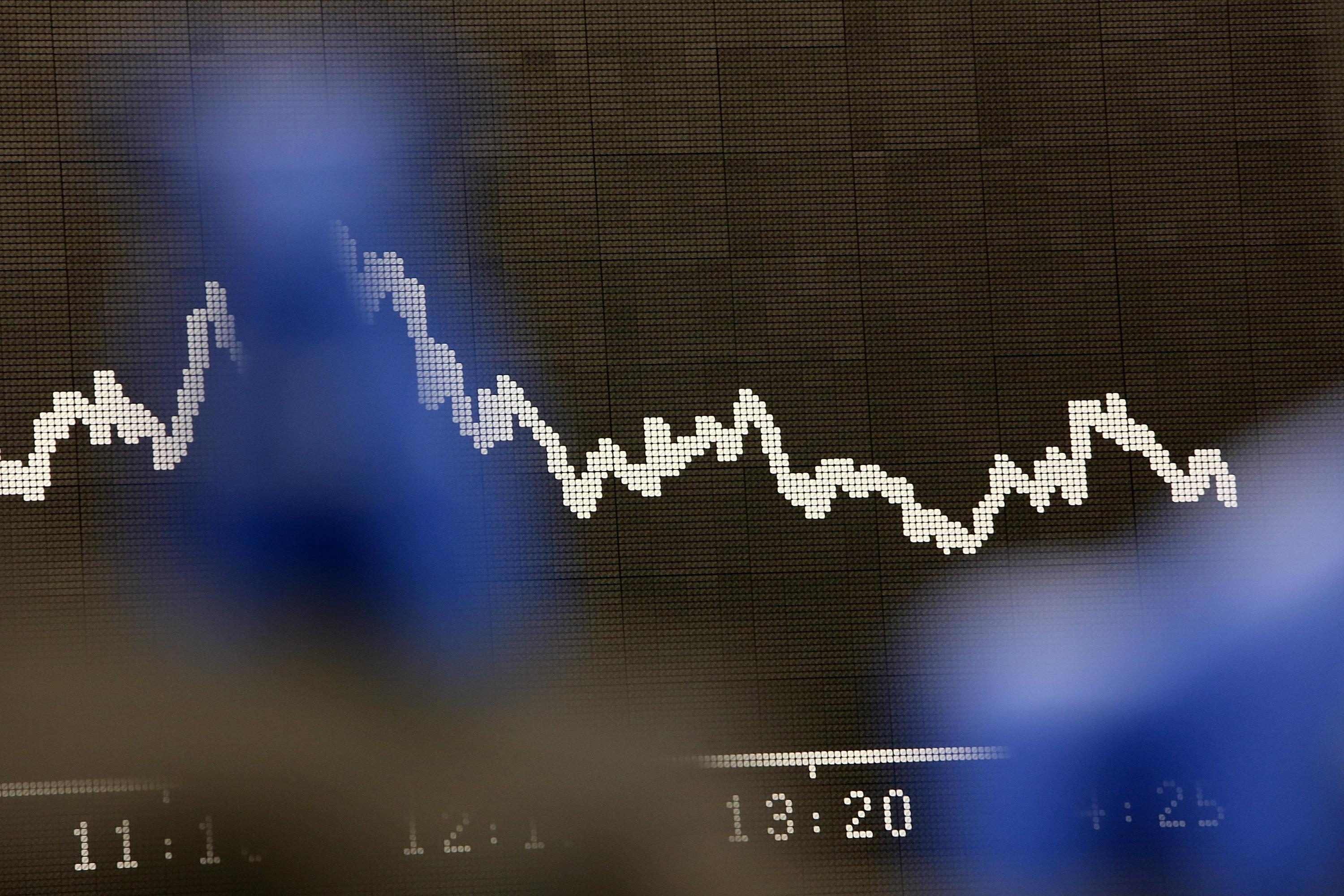
Nvidia's stock experienced a retreat, falling as much as 5% on Tuesday, after an initial 30% rally sparked by the return of Jensen Huang as CEO. Huang's reinstatement followed a unanimous vote by the company's
board of directors after a series of discussions. President Trump confirmed his personal involvement in Huang's return, stating that Nvidia's board sought assurances that Huang, who had resigned less than two weeks prior, posed no threat to national security. President Trump affirmed, “We believe he’s fine. He’s absolutely fine.” Huang expressed his honor to return and lead Nvidia, acknowledging the company's pivotal role in a new industrial revolution and thanking the board, executive staff, employees, shareholders, and partners for their support. Harvey C. Jones, Chair of the Board, stated the board's confidence in Huang's leadership and its belief that his reinstatement serves the best interests of all stakeholders. Colette Kress, who served as interim CEO, will continue her responsibilities as NVIDIA’s Chief Financial Officer.
Why It's Important?
The volatility in Nvidia's stock price highlights the significant market reaction to leadership changes and external political involvement in major technology companies. President Trump's direct intervention in the CEO's return, citing national security concerns, underscores the increasing scrutiny and geopolitical implications faced by leading tech firms, especially those involved in critical technologies like semiconductors and artificial intelligence. This situation could set a precedent for future government oversight in corporate leadership decisions, particularly for companies deemed vital to national interests. The initial rally and subsequent retreat demonstrate investor sensitivity to both positive leadership news and potential underlying concerns or uncertainties. For Nvidia, a stable leadership is crucial as it navigates a rapidly evolving technological landscape and maintains its competitive edge in the global market. The involvement of the U.S. government in such a high-profile corporate decision signals a broader trend of national security considerations influencing business operations and executive appointments in strategic industries.
What's Next?
Jensen Huang is scheduled to face questions from the House Foreign Affairs Committee next week. This appearance indicates ongoing scrutiny regarding his return and potentially broader issues related to Nvidia's operations and national security implications. The outcome of this committee hearing could influence public perception, investor confidence, and potentially lead to further governmental oversight or policy discussions concerning technology leadership and national security. Nvidia's stock performance will likely remain sensitive to any developments from this hearing. The company will need to demonstrate stability and clear strategic direction under Huang's renewed leadership to reassure investors and stakeholders. Furthermore, the incident may prompt other technology companies to review their executive appointment processes, especially those with international ties or involvement in sensitive technologies, anticipating potential government interest or intervention.
Beyond the Headlines
This event transcends a simple CEO reinstatement, touching upon the intricate relationship between corporate governance, national security, and geopolitical strategy. President Trump's direct involvement in assessing Huang's national security threat level highlights a growing trend where the U.S. government views key technology leaders and companies as integral to national defense and economic competitiveness. This could lead to a more formalized process for vetting executives in critical sectors, potentially impacting the autonomy of corporate boards. The incident also underscores the dual-use nature of advanced technologies, where commercial innovations can have significant military or strategic implications, thus drawing government attention. The scrutiny Huang faces from the House Foreign Affairs Committee suggests a broader legislative interest in ensuring that leadership within pivotal technology firms aligns with national interests, potentially shaping future regulatory frameworks for the tech industry.