



What's Happening?
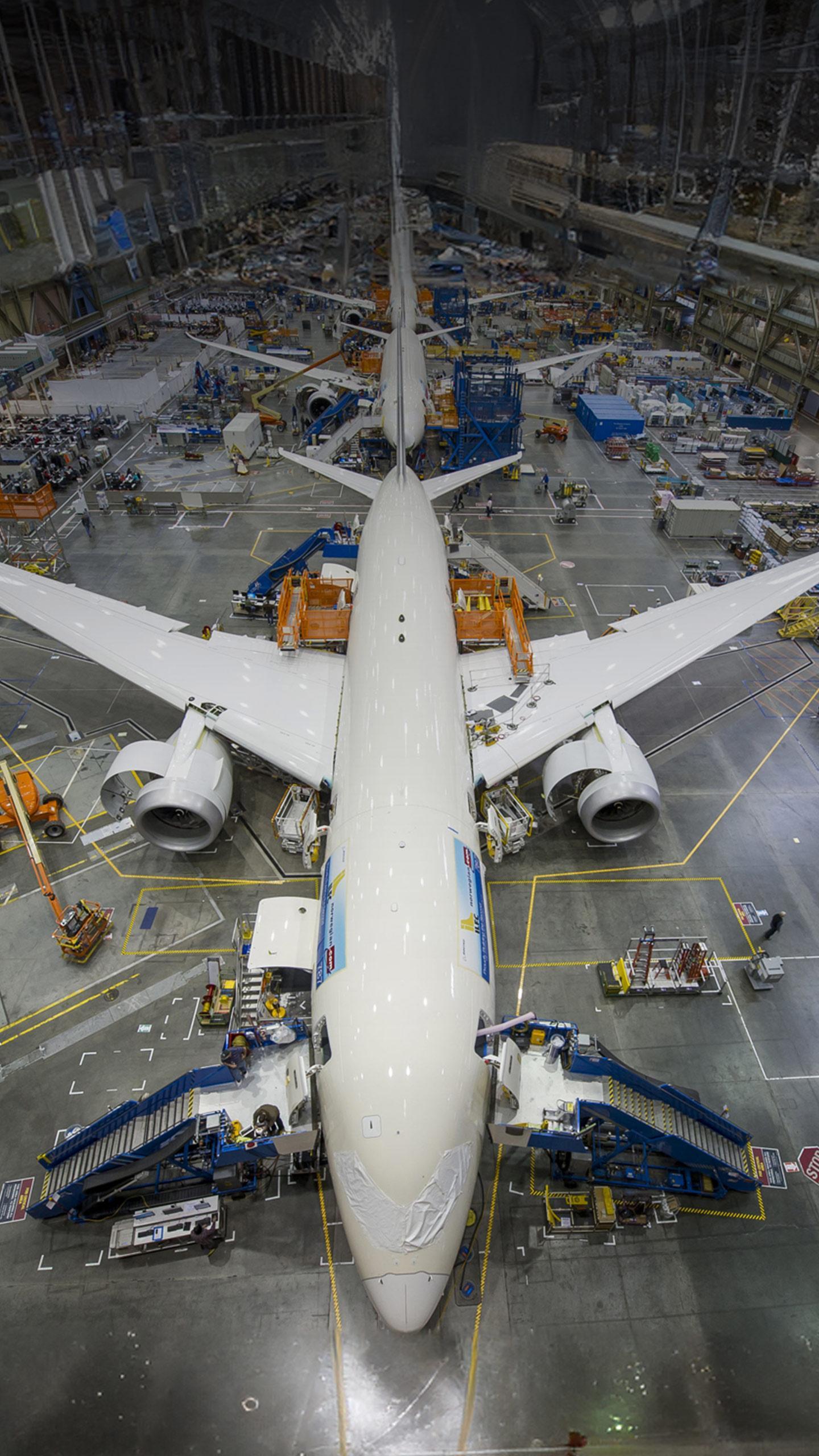
Boeing's CEO, Kelly Ortberg, has acknowledged significant delays in the certification of the 777X, now anticipated in 2027, and ongoing manufacturing issues with the 737 Max. These challenges have contributed
to a 25% drop in Boeing's stock price this year. The 777X program has incurred approximately $15 billion in overruns, impacting major customers like Emirates, British Airways, Lufthansa, and Qatar Airways. Production of the 737 is stabilizing at 47 aircraft per month, with a target of 52 by the second half of 2027, though Boeing is expected to miss its 500 delivery target for the current year. Ortberg emphasized the importance of a correct production ramp-up over achieving specific monthly rates. Additionally, a Vulcan rocket, part of a joint venture between Boeing and Lockheed Martin, failed on November 16, destroying Amazon satellites, with the cause yet to be identified. Boeing also reported a wider-than-expected adjusted loss of $0.34 per share in its third quarter, with revenue slightly below forecasts.
Why It's Important?
The persistent delays and production issues at Boeing have significant ramifications for the U.S. aerospace industry and global aviation. Airlines relying on the 777X for fleet renewal are forced to operate older, less fuel-efficient aircraft for longer, impacting their operational costs and growth strategies. This situation can lead to canceled or altered routes, affecting passenger travel and airline profitability. For Boeing, these setbacks translate into substantial financial burdens, including increased debt of $45.9 billion and pushed-back free cash flow targets, now aiming for $3 billion in 2027 and $10 billion in 2029. The company's ability to stabilize 737 production and secure 777X certification is crucial for regaining investor confidence and ensuring its long-term financial health. The failure of the Vulcan rocket also highlights broader challenges in Boeing's joint ventures, potentially impacting its space and defense segments.
What's Next?
Investors and the aviation industry will closely monitor several key developments for Boeing. The primary focus will be on whether 737 production rates can consistently hold steady into 2027 and if the 777X receives certification by mid-next year. Boeing's Commercial Airplanes division is also targeting breakeven in early 2028, a goal that will be under intense scrutiny. The company's ability to meet its revised free cash flow targets in 2027 and 2029 will be critical for addressing its substantial debt. Furthermore, the investigation into the Vulcan rocket failure will determine potential impacts on Boeing's joint venture with Lockheed Martin and its future in the space launch market. The company's leadership will need to demonstrate tangible progress in manufacturing quality and delivery schedules to restore market confidence and mitigate further stock declines.
Beyond the Headlines
The challenges faced by Boeing extend beyond immediate financial and production metrics, touching upon deeper issues of corporate governance, supply chain resilience, and engineering integrity. The repeated delays and manufacturing problems could erode long-term trust among airline customers and the flying public, potentially shifting market dynamics in favor of competitors. The emphasis by CEO Kelly Ortberg on 'doing this ramp right' suggests a recognition of past quality control issues, hinting at a cultural shift towards prioritizing safety and quality over aggressive production targets. This situation also underscores the complex interdependencies within the global aerospace supply chain, where disruptions at one major manufacturer can have ripple effects across numerous suppliers and airlines worldwide. The ongoing issues may prompt a re-evaluation of regulatory oversight and certification processes for new aircraft models.