




What's Happening?
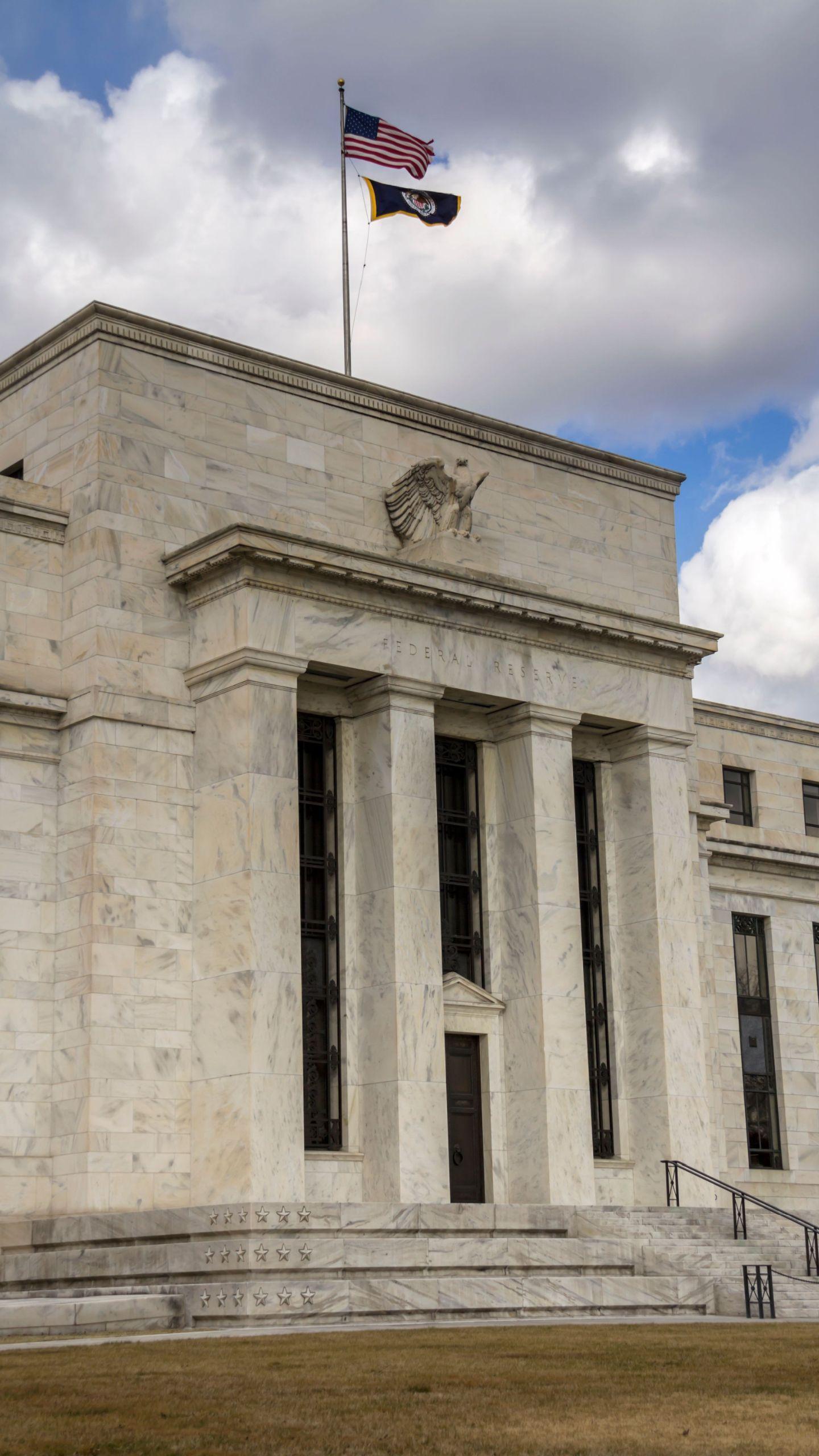
Certificate of Deposit (CD) rates have climbed, with top offerings reaching as high as 5.05% APY as of November 4, 2026. This increase occurs even as the Federal Reserve maintained its federal funds rate target
range at 3.75%-4.00% at its late October meeting. The Federal Open Market Committee (FOMC) is scheduled for its next session on December 8-9. CD yields typically follow the Federal Reserve's monetary policy moves, particularly adjustments to the fed funds rate, which is the rate banks charge each other for overnight lending. While the Fed lowered its benchmark rate three times in 2025, it raised it in September 2026, leading to subsequent increases in some CD rates. Currently, 4-year and 5-year CDs from institutions like Morgan Stanley are among the top-performing options.
Why It's Important?
The current landscape of high CD rates offers a significant opportunity for U.S. savers to secure competitive returns on their deposits. With rates exceeding 5.00% APY, individuals can potentially earn substantially more interest compared to lower-yielding savings options. For instance, a $5,000 deposit in a 5-year CD at 3.80% APY could yield over $1,000 in interest, significantly more than the $346 from a 1.34% APY CD. This environment encourages savers to actively seek out the best rates, often found at online-only banks that can offer superior yields due to lower operational costs. The decision to lock in a rate now is crucial, given the uncertain economic environment and the potential for future rate changes, providing a hedge against possible rate reductions by the Fed.
What's Next?
The financial market is closely watching the Federal Reserve's upcoming FOMC meeting in December, where experts project a potential rate increase. This anticipation influences banks' current CD offerings, as they adjust rates to attract deposits in a competitive environment. Savers face a strategic decision regarding CD term lengths: shorter terms offer flexibility for reinvestment if rates continue to rise, while longer terms provide protection against future rate cuts. The ongoing evaluation of inflation, employment, and economic growth will guide the Fed's future decisions, which in turn will impact the trajectory of CD rates. Consumers should continue to monitor market trends and compare offerings from various financial institutions to optimize their savings strategies.
Beyond the Headlines
The current high CD rates reflect a broader economic narrative where inflation concerns and the Federal Reserve's efforts to manage them play a central role. Historically, CD rates have fluctuated significantly, reaching double digits in the early 1980s and climbing above 5.00% in the early 2020s during the post-COVID recovery. The current environment, while not at historical peaks, still presents a favorable period for conservative investors. The competition among financial institutions, particularly between traditional brick-and-mortar banks and online-only entities, is driving innovation in deposit products and offering consumers more choices. This dynamic underscores the importance of financial literacy and proactive engagement from individuals to maximize their returns in a constantly evolving economic landscape.