
What's Happening?
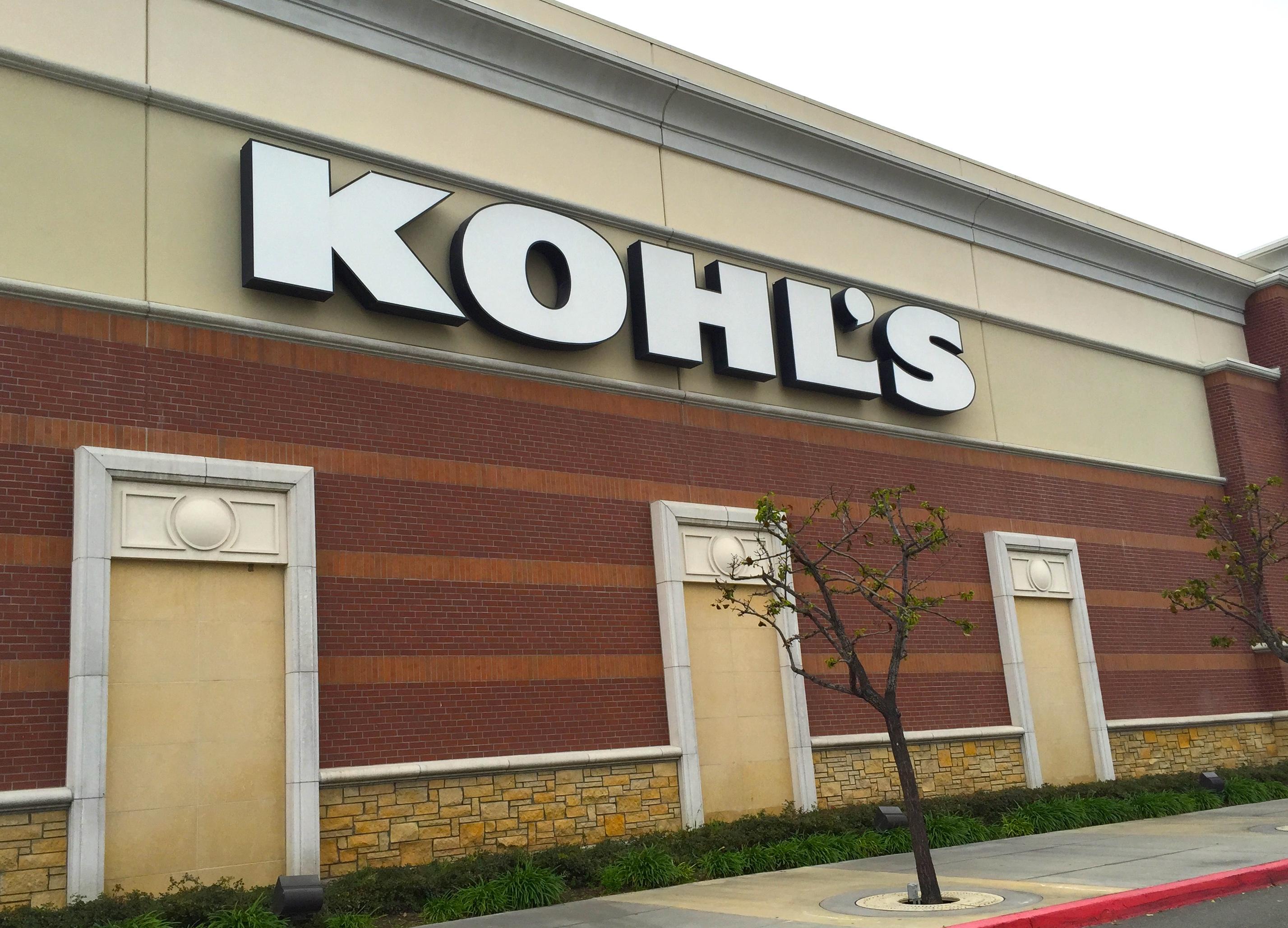
Kohl's (KSS) shares closed at US$23.04, experiencing a 3.6% drop over the last day and a 5.2% decline over the past week. This recent pullback follows a period of positive momentum, with a 13.2% return
over 30 days and a 21.1% gain over 90 days. The company recently appointed Stacy Taffet, a senior consumer marketing executive from Hershey and PepsiCo, to its Board as an independent director. This board refresh aims to bring fresh consumer marketing experience to the retailer. Despite the recent short-term dip, Kohl's has seen a 39.6% one-year total shareholder return, though its five-year total shareholder return has declined by 45.1%. The stock's current P/E ratio of 9.7x is significantly lower than the North American Multiline Retail industry average of 22.5x and its peers' average of 19.3x, suggesting a potential undervaluation based on earnings multiples. However, an analyst consensus fair value narrative pegs Kohl's at $18.73, indicating the stock might be overvalued by 23% under that framework.
Why It's Important?
The volatility in Kohl's stock price and the ongoing debate about its valuation are significant for investors and the broader retail sector. The appointment of a new board member with strong consumer marketing experience signals Kohl's commitment to revitalizing its brand and growth strategies. This governance shift can influence long-term growth plans, merchandising decisions, and capital allocation priorities, which are crucial for a retailer navigating a competitive market. The discrepancy between valuation models—one suggesting undervaluation based on earnings multiples and another indicating overvaluation based on fair value narratives—creates uncertainty for investors. If Kohl's can successfully implement its value-focused repositioning, including sharper pricing and an emphasis on proprietary brands, it could stabilize comparable store sales and leverage its digital marketplace and omnichannel upgrades to offset store softness. Conversely, continued softness in initiatives like Sephora at Kohl's or a further pullback from low to middle-income shoppers could negatively impact its performance and valuation.
What's Next?
Kohl's will likely focus on integrating its new board member's expertise into its strategic initiatives, particularly in consumer marketing. The company's ability to stabilize comparable store sales through its value-focused repositioning, which includes sharper pricing and broader coupon access, will be a key factor to watch. Investors will also be monitoring the performance of its digital marketplace and omnichannel upgrades, as these are crucial for offsetting potential weaknesses in its physical store footprint. The ongoing performance of the Sephora at Kohl's partnership will also be critical, as any further softening could impact investor confidence. The market will be looking for clearer signals on which valuation framework to trust, as the gap between earnings-based multiples and fair value narratives suggests different potential trajectories for the stock. Future earnings reports and strategic updates from Kohl's will be closely scrutinized for indications of whether the company can close the valuation gap and deliver consistent growth.
Beyond the Headlines
The situation at Kohl's reflects broader trends within the U.S. retail industry, where traditional department stores are grappling with evolving consumer preferences, increased e-commerce competition, and economic pressures affecting consumer spending. The emphasis on a board refresh with consumer marketing expertise highlights the critical need for retailers to deeply understand and connect with their customer base in an increasingly fragmented market. The mixed signals regarding Kohl's valuation also underscore the complexity of assessing retail stocks, where traditional metrics like P/E ratios might tell a different story than forward-looking fair value models that account for strategic execution and market sentiment. This scenario could influence how other legacy retailers approach governance and strategic shifts, potentially leading to more board-level changes focused on specialized expertise. The success or struggles of Kohl's in its current repositioning could serve as a case study for the viability of traditional retail models adapting to modern consumer demands and economic realities.