
What's Happening?
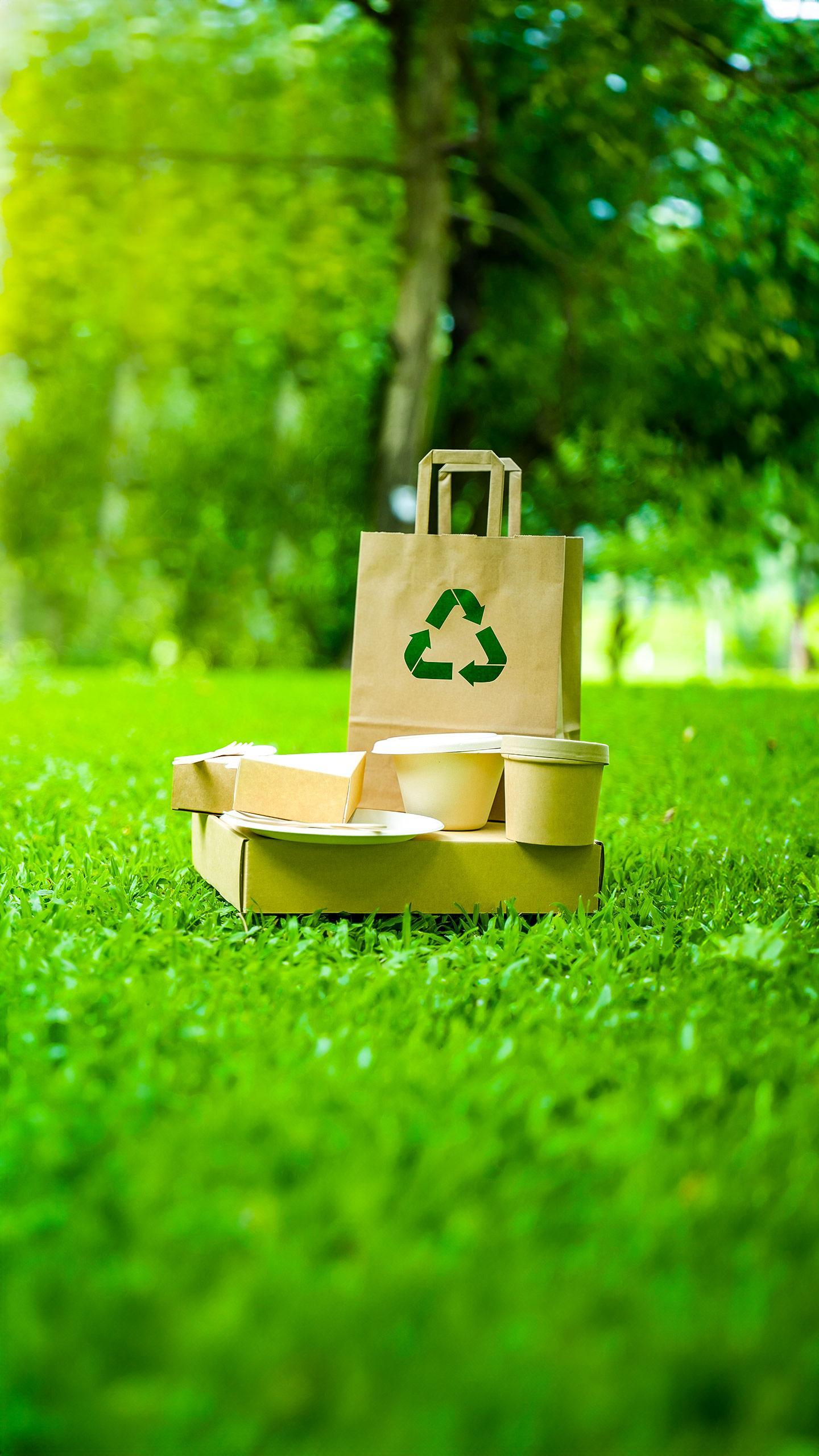
Food and beverage companies are making significant changes to their packaging to enhance sustainability, driven by increasing regulatory pressure and consumer demand. These changes include replacing plastic
with paper, incorporating recycled materials, and removing colorants that complicate recycling. For example, Mars is transitioning large pantry jars for M&M’s, Skittles, and Starburst to 100% post-consumer recycled plastic, aiming to eliminate over 1,300 metric tons of virgin plastic annually. Campbell’s has replaced plastic dog bone packaging with a recyclable paper-based clip for Rao’s Homemade jars and made over 31 million plastic bottles recyclable. PepsiCo has reduced plastic by over 7 million pounds by lightweighting Gatorade and Lipton bottles, and Target has removed carbon-black colorant from its private-label food packaging to improve recyclability.
Why It's Important?
These packaging advancements are crucial for addressing the growing issue of packaging waste and its environmental impact. With extended producer responsibility (EPR) laws taking effect in several U.S. states and consumer preference for sustainable packaging on the rise, companies are compelled to innovate. The shift towards recycled content, lighter materials, and easily recyclable designs reduces virgin plastic consumption, lowers carbon footprints, and improves the efficiency of recycling systems. This trend not only helps companies comply with regulations but also enhances brand reputation and meets evolving consumer expectations. The collective impact of these changes, even seemingly small ones, can lead to significant reductions in overall waste and promote a more circular economy within the food and beverage industry.
What's Next?
The trend of sustainable packaging changes is expected to accelerate as more EPR laws are implemented and consumer demand for eco-friendly products continues to grow. Companies will likely continue to explore innovative materials and design solutions to further reduce their environmental footprint. The industry may see increased collaboration between brands and packaging suppliers to develop scalable and cost-effective sustainable options. Furthermore, there will be ongoing efforts to educate consumers about proper recycling practices for new packaging materials. The goal is to achieve a durable decline in packaging waste and foster a more sustainable consumption cycle.
Beyond the Headlines
The move towards sustainable packaging reflects a broader societal shift towards environmental consciousness and corporate accountability. It highlights the power of both regulatory frameworks and consumer choices in driving industry change. Beyond the immediate environmental benefits, these changes can also spur innovation in material science and manufacturing processes, leading to new sustainable technologies. However, challenges remain, such as ensuring the availability of high-quality recycled content and developing infrastructure to handle diverse new materials. The long-term success of these initiatives will depend on continuous investment, consumer participation, and a harmonized approach to recycling and waste management across different regions.