


What's Happening?
FluxPoint Energy, a company led by experienced nuclear fuel and engineering professionals, has successfully closed its seed funding round. This investment is designated to advance the development of a new
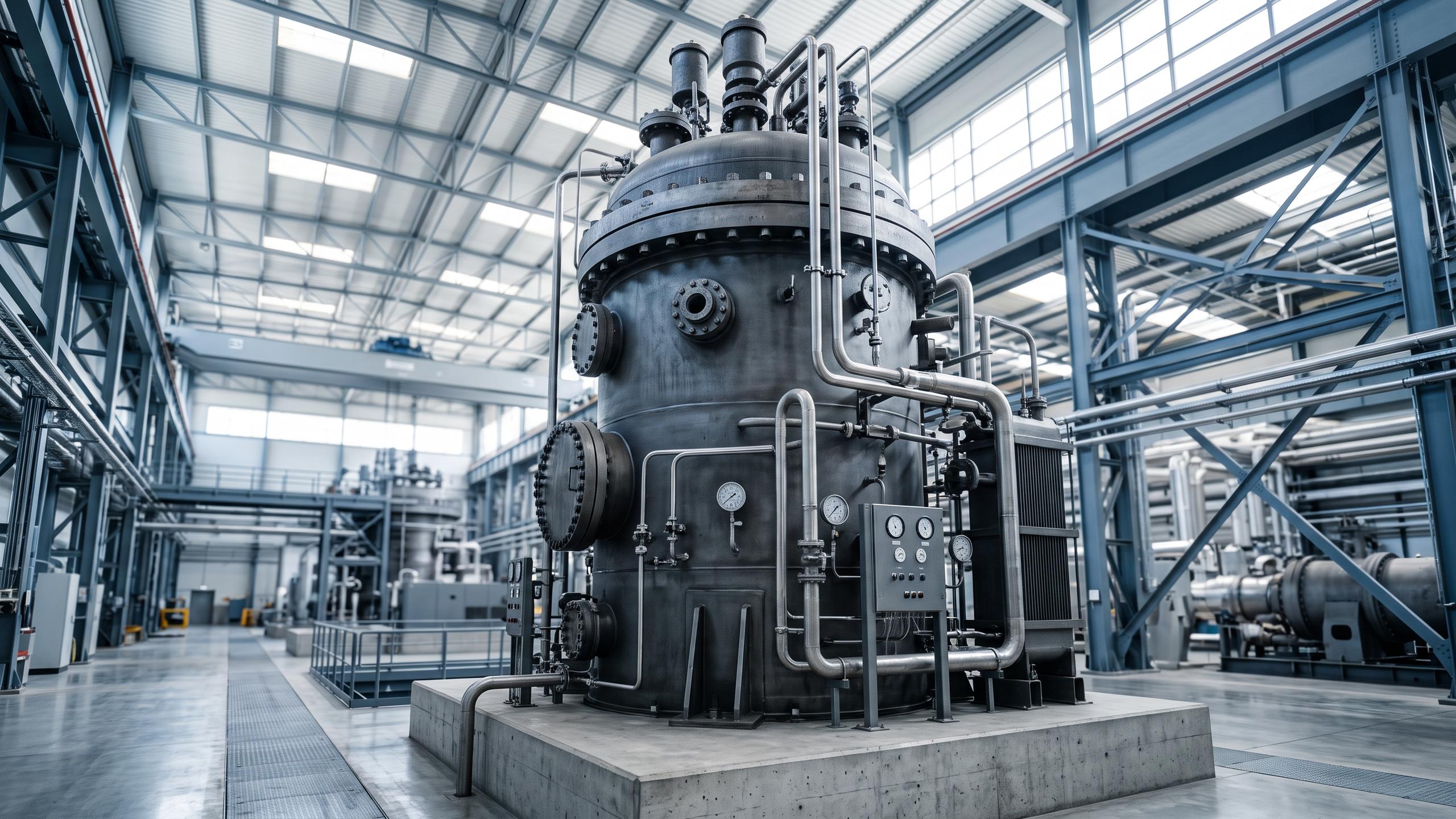
uranium conversion facility in the United States. The company aims to establish what it anticipates will be the first new U.S. uranium conversion facility in nearly 70 years. This initiative is critical for expanding domestic production and strengthening America's nuclear fuel supply chain. The seed funding will support front-end engineering design (FEED), regulatory and permitting activities, and the expansion of the company's technical development team. FluxPoint Energy is targeting initial commercial production between 2030 and 2031, following completed market and technical feasibility studies. The facility will convert uranium oxide concentrate, known as yellowcake, into uranium hexafluoride (UF6), which is essential for uranium enrichment and subsequent fuel fabrication.
Why It's Important?
The development of a new U.S. uranium conversion facility by FluxPoint Energy is a significant step towards enhancing America's energy security and reducing reliance on foreign sources for nuclear fuel processing. As the demand for nuclear generation increases, a reliable domestic capacity to process uranium becomes a fundamental requirement. This project addresses a critical link in the nuclear fuel supply chain, which, if disrupted, could have substantial implications for existing and future nuclear reactors in the U.S. Strengthening this domestic capability will mitigate risks associated with geopolitical instabilities and supply chain vulnerabilities. The initiative also supports long-term U.S. nuclear leadership and could foster job creation and technological advancements within the domestic nuclear industry. The success of this project could set a precedent for further investments in U.S. nuclear infrastructure, ensuring a stable and secure energy future.
What's Next?
With the seed funding secured, FluxPoint Energy will proceed with the next phases of its project, focusing on front-end engineering design, navigating regulatory approvals, and building out its technical organization. The company's immediate goal is to advance facility design and prepare for the necessary regulatory permits. Commercial production is targeted for 2030-2031, indicating a multi-year development timeline that will involve significant engineering and construction efforts. Future steps will likely include securing additional funding rounds, engaging with regulatory bodies such as the Nuclear Regulatory Commission, and establishing partnerships for construction and operation. The progress of this facility will be closely watched by utilities, nuclear developers, and policymakers as a key indicator of the U.S.'s commitment to bolstering its domestic nuclear fuel cycle capabilities.
Beyond the Headlines
The establishment of a new uranium conversion facility in the U.S. carries broader implications beyond immediate energy security. It signifies a potential shift towards re-establishing a comprehensive domestic nuclear fuel cycle, which has seen significant decline over the past decades. This move could stimulate innovation in nuclear fuel technologies and create a more resilient energy infrastructure. Ethically, it underscores a commitment to energy independence and potentially reduces the environmental footprint associated with transporting nuclear materials globally. Legally, the project will navigate complex regulatory frameworks, setting new precedents for nuclear facility development in the modern era. Culturally, it could reignite public and private sector interest in nuclear energy as a viable and secure power source, influencing long-term energy policy and investment strategies in the U.S.