




What's Happening?
Cobra Resources plc has announced strong recoveries of valuable rare earth elements from its Wudinna Rare Earth Project in South Australia, supporting its strategy to maximize value and build an efficient,
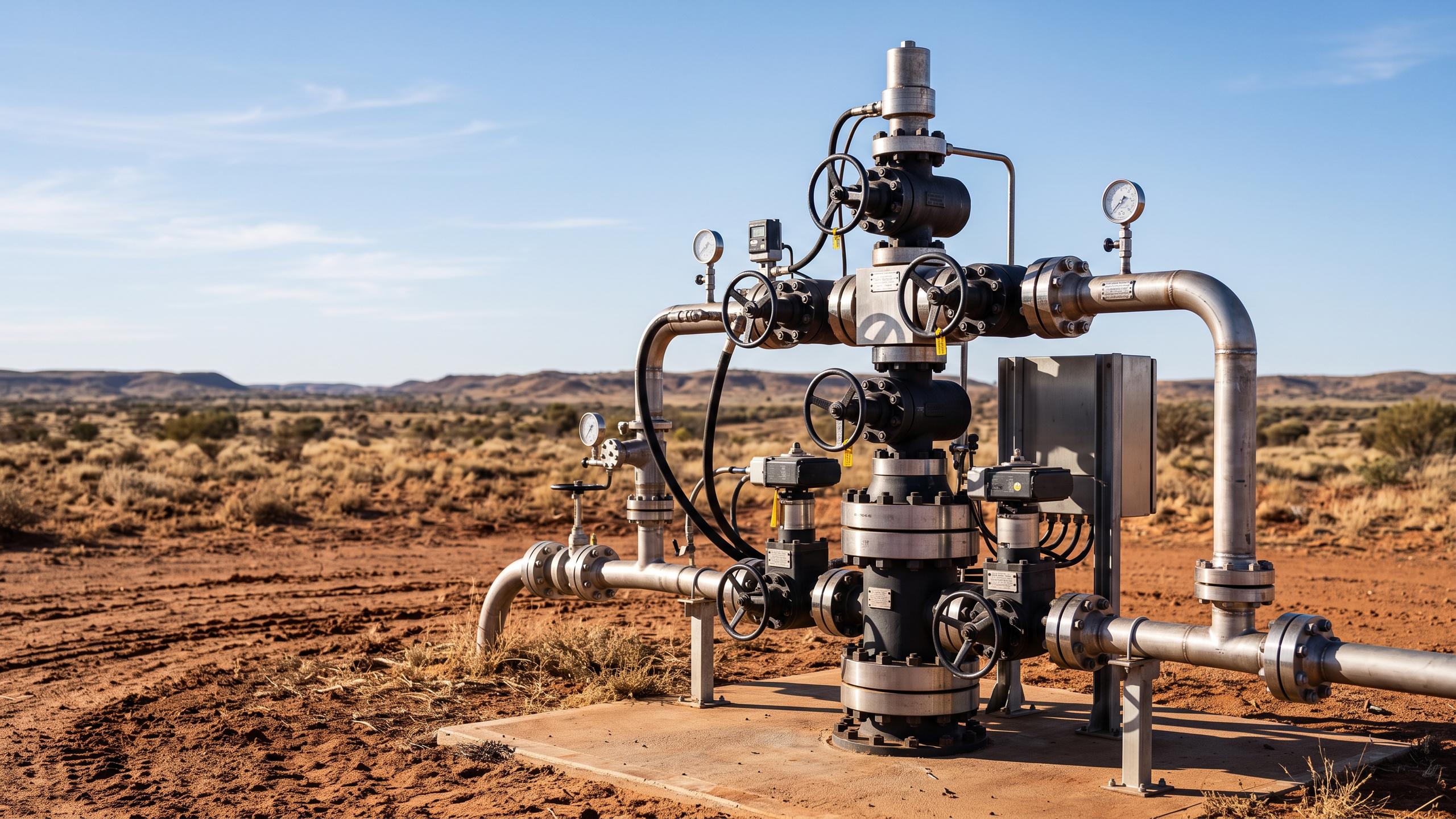
scalable operation. Diagnostic test work conducted by the Australian Nuclear Science and Technology Organisation (ANSTO) on 42 drill return samples from the Boland and Head discovery areas yielded encouraging results. At the Boland Mineral Resource area, previous tests showed recoveries up to 88% of total rare earth plus yttrium (TREY), 87% of neodymium plus praseodymium (Nd+Pr), and 73% of dysprosium plus terbium (Dy+Tb). The latest results from the Narlaby formation at the Head Mineral Resource area also showed strong recoveries, with up to 88% TREY, 88% Nd+Pr, and 93% Dy+Tb. These results reinforce the company's focus on in-situ recovery (ISR) techniques, which involve circulating a lixiviant through permeable mineralization in a confined aquifer to extract rare earths without extensive excavation. Cobra aims to assess the economic and environmental performance of rare earth recovery through a controlled confined-aquifer ISR process.
Why It's Important?
These strong recovery results are significant for the U.S. and global rare earth supply chain, as they validate the potential for a new, cost-effective, and environmentally less disruptive source of critical rare earths. The Wudinna project, with its focus on ISR, could establish the Western World's first rare earths ISR operation, offering a crucial alternative to traditional mining methods that often face higher capital costs and greater environmental scrutiny. Diversifying the supply of rare earths, particularly heavy and magnet rare earths, is vital for U.S. industries, including defense, electric vehicles, and advanced electronics, which are heavily reliant on these materials. A successful ISR operation at Wudinna could enhance supply chain resilience, reduce geopolitical risks associated with concentrated supply, and potentially lower the cost of these essential materials, benefiting various U.S. manufacturing sectors and contributing to national security objectives.
What's Next?
Cobra Resources' immediate next steps include further studies to establish how these laboratory results translate into an integrated mine plan and field performance. The company plans to conduct a large-scale ISR column test to replicate the proposed small-scale production study for crude precipitation, transport, and re-dissolution. Additionally, Cobra will define metallurgical domains, assess the relationship between extraction, mineralogy, and aquifer permeability, and conduct trade-off sensitivity evaluations to optimize economics through recovery/reagent analysis. The exceptional recovery results within the Narlaby formation present a compelling opportunity to potentially reclassify this material into ISR recoverable resources, and the team is evaluating the necessary work streams for this conversion. The project's development focus remains on maximizing recoverable value and operating efficiency, with diagnostic results informing scoping study estimates and resource expansion works. Verified technical and product data will support future partnering, offtake discussions, financing, and permitting studies.
Beyond the Headlines
The application of confined-aquifer ISR for rare earth extraction, while having precedents in uranium production, represents an innovative approach for rare earths. This method could significantly reduce the environmental footprint of mining by minimizing surface disturbance and waste, aligning with global sustainability goals. The focus on ionic mineralization, which is highly desirable due to its high weighting of valuable heavy rare earth oxides (HREOs) and cost-effective desorption, could make the Wudinna project a competitive player in the global market. If successful, this project could set a new benchmark for rare earth mining, demonstrating that critical minerals can be extracted responsibly and economically. This could also spur further research and development into advanced, less invasive mining technologies, ultimately contributing to a more sustainable and secure supply of essential raw materials for the future.