


What's Happening?
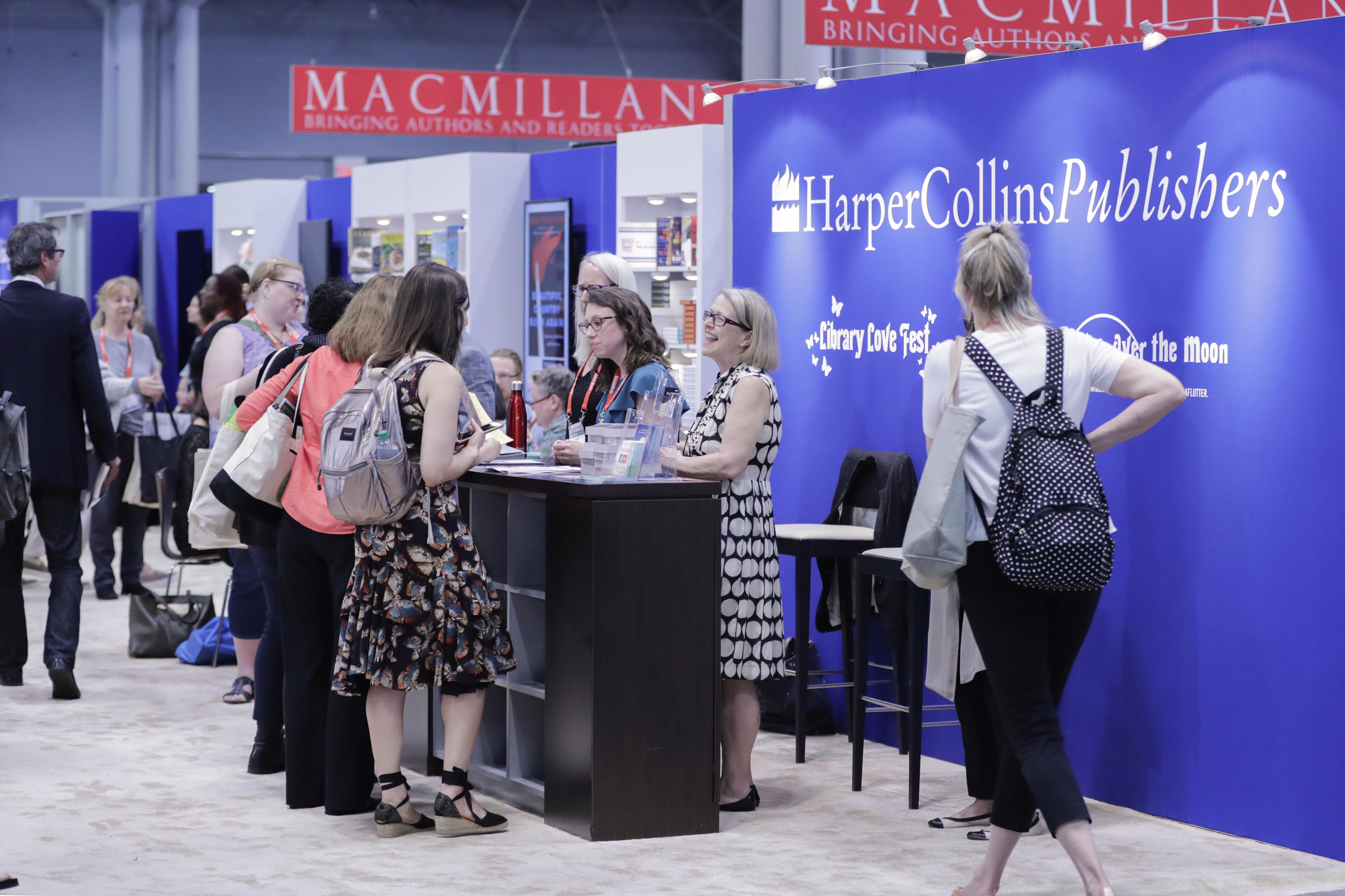
HarperCollins Book Publishing announced a 9% increase in revenue, reaching $582 million for the quarter ending September 30, according to News Corp's fiscal Q1 2027 release. Segment EBITDA also saw a significant
jump of 29% to $75 million, resulting in an EBITDA margin of 12.9%, up from 10.9% a year prior. This growth is largely attributed to the strong performance of its backlist titles, which generated 66% of consumer revenue, an increase from 65% last year. Key authors contributing to this backlist success include J.R.R. Tolkien, C.S. Lewis, Agatha Christie, and George Orwell. Additionally, audiobook revenue rose by 13%, with CEO Robert Thomson crediting the global partnership with Spotify and the performance of titles like Ann Patchett's 'Whistler'. Digital sales overall increased by 6%, maintaining their share at 23% of consumer revenue. The company's CFO, Lavanya Chandrashekar, noted that costs grew alongside sales due to higher royalties, manufacturing, and marketing for new releases.
Why It's Important?
The financial performance of HarperCollins highlights a significant trend in the publishing industry: the enduring value of established literary works. The substantial contribution of backlist titles to revenue underscores their stability and profitability, as these books often incur minimal ongoing editorial or marketing costs. This reliance on classic authors like Tolkien and Christie provides a consistent revenue stream, allowing the publisher to absorb costs associated with new releases. The robust growth in audiobook revenue also signals the increasing importance of audio formats in the market, indicating a shift in consumer preferences and new avenues for revenue generation. For authors, this emphasizes the long-term potential of building a strong backlist and securing audio rights. The company's strategy of leveraging existing intellectual property, such as the revival of Miss Marple and upcoming Narnia adaptations, demonstrates a focus on maximizing established brands to drive sales and engagement.
What's Next?
HarperCollins anticipates continued growth, particularly with upcoming media adaptations. CEO Robert Thomson expects Greta Gerwig's 'Narnia: The Magician's Nephew' film, set to open in February 2027 and stream on Netflix in April, to significantly boost book promotions. The publisher has already listed a 7-book Narnia movie tie-in box set for November 2026. Furthermore, Thomson indicated that HarperCollins expects to receive its first payment from the $1.5 billion Anthropic copyright settlement in the near term, as part of News Corp's 'woo and sue' AI strategy, which involves licensing deals with AI companies and pursuing legal action against others. This suggests a future revenue stream from AI licensing. Authors with books included in this settlement should also monitor for their share of these payments. The company's continued focus on its global partnership with Spotify is likely to further drive audiobook revenue.
Beyond the Headlines
The emphasis on backlist titles and the strategic revival of classic characters like Miss Marple by HarperCollins points to a broader industry trend of intellectual property management and monetization. While new releases are crucial for market presence, the consistent revenue from established works provides a financial cushion and allows for strategic investments. The company's approach to AI, combining licensing agreements with legal action, reflects a proactive stance in navigating the evolving landscape of artificial intelligence and copyright. This dual strategy could set a precedent for how publishers protect their content in the age of AI. The ongoing success of audiobooks also highlights a cultural shift in content consumption, where convenience and accessibility play a larger role. This could lead to further innovation in audio formats and distribution models, potentially reshaping how stories are consumed and experienced by audiences.