




What's Happening?
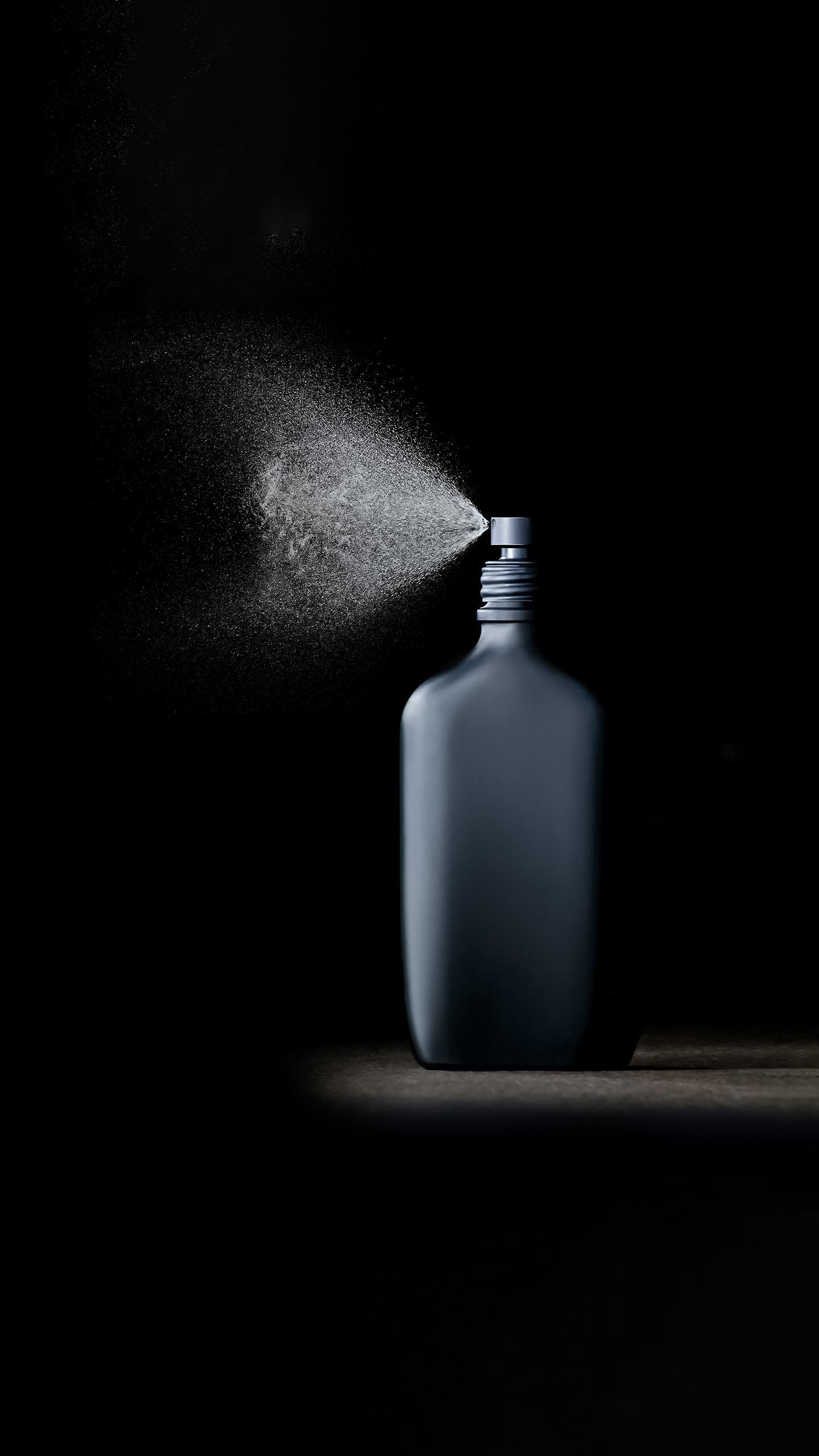
Scent marketing is emerging as a powerful tool for businesses to influence consumer behavior and strengthen brand identity. This strategy involves using distinct fragrances in physical retail spaces to create
emotional connections and enhance the shopping experience. Companies are finding that combining a branded scent signature with in-store fragrance choices yields reliable results. For instance, a clothing store promoting leather goods might diffuse the scent of leather throughout the store to reinforce the campaign. Similarly, grocery stores strategically place fresh flowers and produce near entrances to evoke positive emotions and associations with vitality and warm days. The science behind scent marketing suggests that external associations powerfully complement the olfactory sense, leading to increased consumer engagement and purchase intent. Businesses can even adjust scents in different areas of a store to cater to specific customer groups, utilizing therapeutic essential oil diffusion methods for optimal results.
Why It's Important?
The growing adoption of scent marketing signifies a shift in how businesses engage with consumers, moving beyond purely visual and auditory stimuli to incorporate the often-underestimated sense of smell. This approach can significantly impact U.S. industries, particularly retail, hospitality, and even corporate environments, by improving customer experience, increasing dwell time, and boosting brand recall and conversion rates. For consumers, it means a more immersive and potentially more enjoyable shopping experience, though it also raises questions about subtle psychological manipulation. Businesses that effectively implement scent marketing stand to gain a competitive edge by fostering deeper emotional connections with their clientele, potentially leading to increased sales and customer loyalty. Conversely, businesses that neglect this sensory dimension might miss opportunities to enhance their brand presence and influence purchasing decisions in an increasingly competitive market.
What's Next?
The future of scent marketing is likely to see further integration with advanced technologies and personalized approaches. As understanding of the psychological impact of scent deepens, businesses may invest in more sophisticated scent delivery systems and data analytics to tailor fragrances to specific demographics, times of day, or even individual customer preferences. The perfumery industry is already incorporating marketing and industry trends into its curriculum, including branding, packaging, and market regulations, indicating a professionalization of scent application. This suggests a trend towards more scientifically informed and strategically deployed scent experiences, potentially leading to new product development in aroma machines and specialized scent creation services. Regulatory bodies may also begin to consider guidelines for scent marketing to ensure ethical practices and consumer well-being.
Beyond the Headlines
Beyond its immediate commercial applications, the rise of scent marketing touches upon deeper ethical and cultural implications. The ability to subtly influence mood and behavior through scent raises questions about consumer autonomy and the potential for sensory overload or manipulation. As businesses increasingly curate our sensory environments, there's a need to consider the long-term impact on public spaces and individual well-being. Culturally, the widespread use of artificial or branded scents could alter our natural olfactory landscape, potentially diminishing our appreciation for authentic environmental smells. Legally, there might be future discussions around transparency in scent disclosure, especially for individuals with scent sensitivities or allergies. This trend highlights a broader societal shift towards hyper-curated experiences, where every sensory input is designed to achieve a specific outcome, prompting a re-evaluation of our relationship with our senses and the environments we inhabit.