



What's Happening?
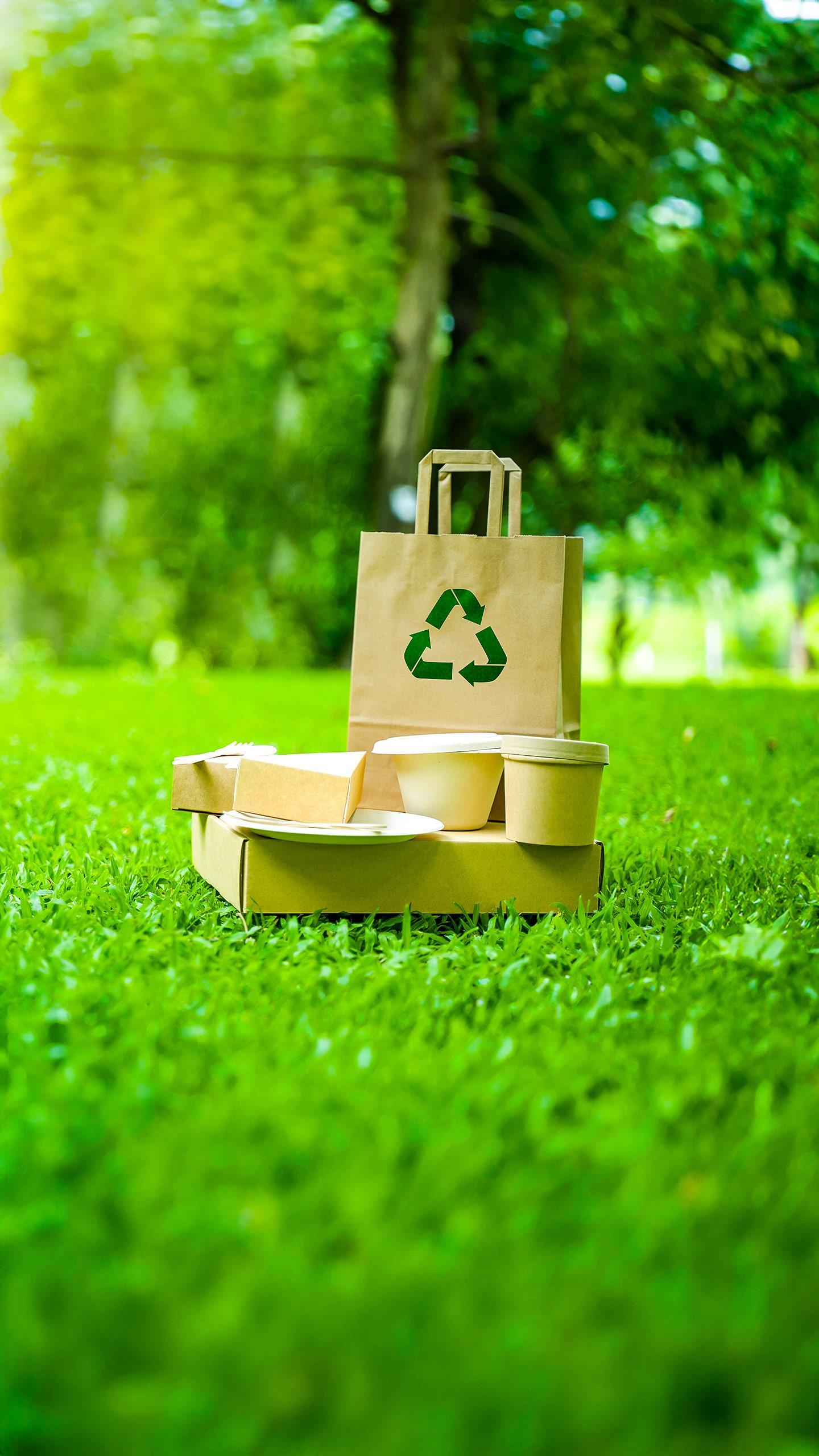
Mary Kay is making strides in sustainable packaging by incorporating post-consumer recycled (PCR) materials and designing products with recyclability in mind. The company's TimeWise® Targeted-Action® Toning
Lotion bottle, for example, contains 94% PCR content and is designed as a recycle-ready bottle, accompanied by a recycle-ready paper carton. This initiative is guided by Mary Kay's Three-R Framework: Reduce, Reuse, Recycle. The framework encourages evaluating packaging throughout its lifecycle, from material reduction and recycled content incorporation to designing for its next life. Kristin Dasaro, Mary Kay’s Director of R&D Engineering, emphasizes that these innovations aim to make more responsible material choices while maintaining product compatibility, quality, functionality, and appearance, ensuring consumers do not have to choose between sustainability and performance.
Why It's Important?
This shift in Mary Kay's packaging strategy is important for several reasons. It addresses the growing consumer demand for environmentally friendly products and packaging, which can enhance brand loyalty and market share. By using PCR materials and designing for recyclability, Mary Kay contributes to reducing plastic waste and promoting a circular economy, lessening the environmental impact of its products. This approach also sets a precedent within the beauty industry, encouraging other companies to adopt similar sustainable practices. For U.S. consumers, it means access to beauty products that align with their environmental values without compromising on quality. Furthermore, these efforts can help Mary Kay comply with evolving environmental regulations and standards, mitigating potential risks and demonstrating corporate responsibility.
What's Next?
Mary Kay is expected to continue expanding its use of PCR materials and designing more products for recyclability across its portfolio. The company's ongoing commitment to its Three-R Framework suggests a continuous evaluation of materials, formats, and manufacturing requirements to identify further opportunities for improvement. Future innovations will likely focus on balancing sustainability goals with product protection, quality, performance, and consumer experience. Mary Kay's collaboration with scientists, engineers, manufacturing experts, procurement teams, and suppliers will be crucial in developing new technologies and material options. The company's 2026 Sustainability Report will likely detail further progress and future initiatives in sustainable packaging and environmental stewardship.
Beyond the Headlines
Mary Kay's approach to sustainable packaging highlights a broader industry challenge: integrating environmental responsibility without sacrificing product integrity or consumer satisfaction. This involves complex engineering and design decisions, as materials must perform reliably throughout the product's lifecycle. The emphasis on PCR content and recyclability reflects a move towards a more circular economy, where waste is minimized, and resources are reused. This trend has significant ethical implications, as companies are increasingly expected to take responsibility for the entire lifecycle of their products. The success of such initiatives depends not only on technological advancements but also on consumer participation in recycling programs, underscoring the interconnectedness of corporate responsibility and individual action in achieving sustainability goals.