


What's Happening?
The fine art market is undergoing an unprecedented resurgence in 2026, with global sales across Christie's, Sotheby's, and Phillips totaling $6.8 billion in the first half of the year. This represents
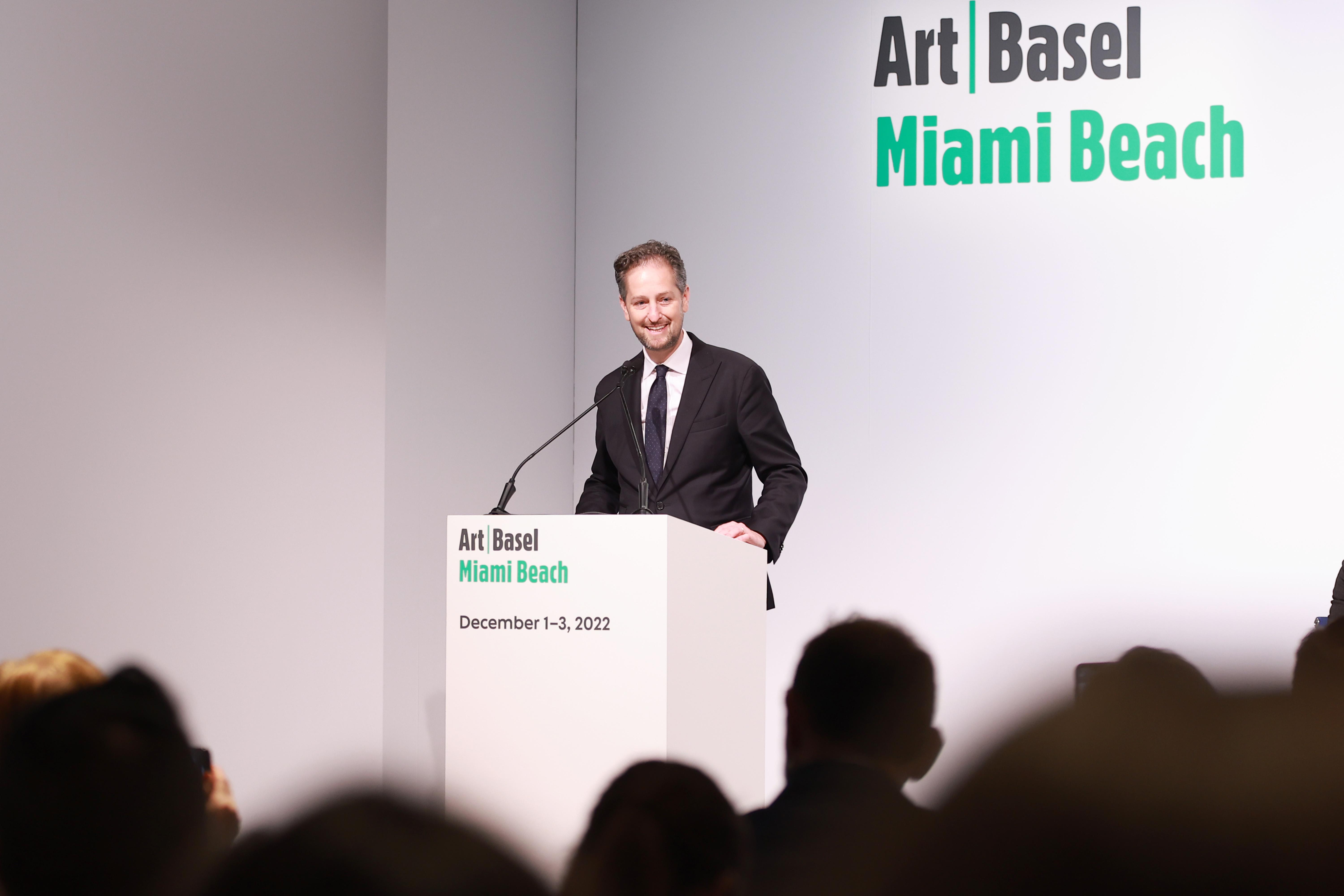
a 70% increase from the $4 billion recorded in the same period in 2025 and marks the highest level since 2022, according to data from Bank of America. A significant portion of this growth is attributed to young collectors, particularly Gen Z buyers. The annual Art Basel and UBS collecting survey indicates that Gen Z collectors spent an average of $347,460 in 2025, a 19% rise, while the average spend among all high-net-worth individual (HNWI) collectors increased by 13% to $124,265. Notably, Gen Z buyers accounted for half of the 1% of HNWI collectors who committed at least $1 million to a single art piece in 2025 and the first half of 2026. These young collectors are leveraging AI and social media for extensive research on artists and their work, and 13% prefer online third-party platforms, up from 8% in 2025.
Why It's Important?
This revival signifies a notable shift in the fine art market, demonstrating its resilience and evolving dynamics. The increased engagement of Gen Z collectors, who are actively researching and utilizing digital platforms, suggests a modernization of art acquisition and a broader accessibility to the market. This trend could lead to a more diverse collector base and potentially influence the types of art gaining prominence. The preference for the secondary market during times of economic uncertainty, as noted by Lucy Charles, founder of Galerie Betty Charles, highlights art's role as a tangible asset and a potential portfolio diversifier. However, experts like Gary Edwards of J.P. Morgan Private Bank caution against relying on fine art as a short-term inflation hedge due to its illiquidity and potential price recovery times. The use of art as collateral by 19% of collectors also indicates a growing trend of leveraging art assets for liquidity, which could introduce new financial instruments and risks into the market.
What's Next?
The fine art market is anticipated to become more dynamic in 2027, with an expected increase in demand for works from emerging talent who utilize digital platforms to connect directly with buyers. This forecast is supported by Gen Z collectors' optimistic outlook on the market's long-term growth. The continued integration of AI and social media in art research and acquisition will likely further democratize access and influence purchasing decisions. As more collectors consider using fine art as collateral, there will be a need for tailored art-secured lending solutions to mitigate risks associated with potential valuation fluctuations. The shift towards online platforms will also likely continue, challenging traditional auction houses to adapt their strategies to cater to a digitally-savvy generation of collectors. The market will need to balance the desire for accessibility and transparency with the inherent illiquidity and long-term investment nature of fine art.
Beyond the Headlines
The rise of Gen Z in the fine art market points to a broader cultural shift where younger generations are increasingly valuing tangible assets and seeking alternative investment avenues. Their reliance on digital tools for research and acquisition also underscores the pervasive influence of technology in traditionally exclusive sectors. This trend could challenge established norms of art connoisseurship and patronage, potentially leading to a redefinition of what constitutes 'valuable' art and how it is discovered and traded. The ethical implications of AI in art authentication and valuation, as well as the potential for increased market manipulation through digital platforms, will also become more prominent. Furthermore, the growing use of art as collateral raises questions about its role in personal wealth management and the potential for financial instability if market values decline significantly, highlighting the need for robust regulatory frameworks and informed financial planning.