



What's Happening?
Amazon is operating on a modified schedule for Labor Day, balancing reduced corporate staffing with continued activity in key logistics hubs. While core services are largely maintained, customers may experience
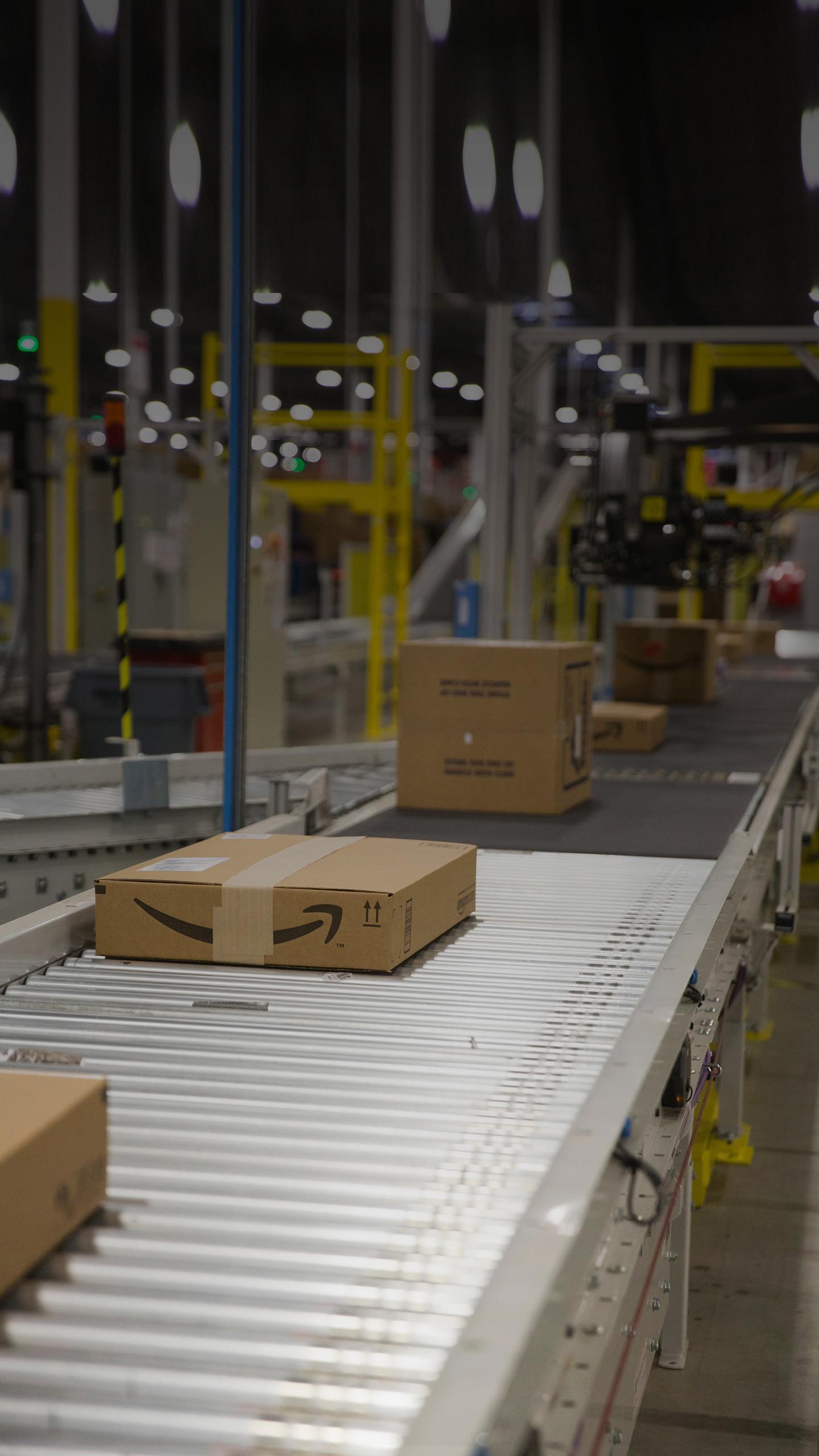
adjustments to shipping timelines, with some orders potentially taking an extra day or two for delivery. Warehouses and transportation centers remain open, though some may operate with reduced crews and fewer vehicles. Amazon has historically offered incentives like boosted earnings or guaranteed minimum pay to encourage delivery drivers, both direct employees and those from partner carriers, to work on holidays. These measures aim to sustain service levels despite potential staffing reductions. Advanced forecasting models, warehouse automation, and dynamic routing algorithms are being utilized to mitigate disruptions and ensure smoother operations during the holiday period.
Why It's Important?
The operational adjustments by Amazon for Labor Day highlight the ongoing challenge for e-commerce giants to balance consumer demand with employee considerations during federal holidays. For consumers, understanding these modified schedules is crucial to setting realistic expectations for delivery times, especially for urgent purchases. For Amazon, maintaining service levels during peak periods like holiday weekends is vital for customer satisfaction and competitive standing. The use of incentives for drivers underscores the importance of a flexible workforce in the gig economy, while technological investments demonstrate a strategic effort to enhance logistical efficiency and reduce reliance on manual labor, ensuring business continuity even with reduced staffing. This approach impacts both the immediate consumer experience and the broader e-commerce landscape.
What's Next?
As Amazon continues to refine its holiday logistics, customers can expect ongoing communication regarding shipping cutoffs and delivery estimates through its website and app. The company's reliance on technology, such as advanced forecasting and routing algorithms, is likely to increase, aiming to further minimize holiday-related bottlenecks. For delivery drivers, the availability and nature of holiday incentives will remain a key factor influencing their willingness to work. Shoppers are advised to check product pages for specific holiday shipping notifications and to factor in additional transit time, particularly for items crossing multiple regions. The long-term trend suggests a continued push towards automation and optimized logistics to handle fluctuating demand and staffing during holidays.
Beyond the Headlines
The way Amazon manages Labor Day operations reflects broader societal shifts in work-life balance and the increasing integration of technology into daily commerce. The debate around holiday pay and flexible shifts for delivery drivers touches upon the evolving nature of labor in the digital age, where gig-style work offers both opportunities and challenges. Furthermore, the reliance on a 'village' of support, including technology and incentivized labor, to maintain essential services during holidays, points to a complex interplay between human effort and automated systems. This dynamic raises questions about the future of work, the role of human labor in an increasingly automated world, and the ethical considerations of maintaining consumer convenience at all times.