

What's Happening?
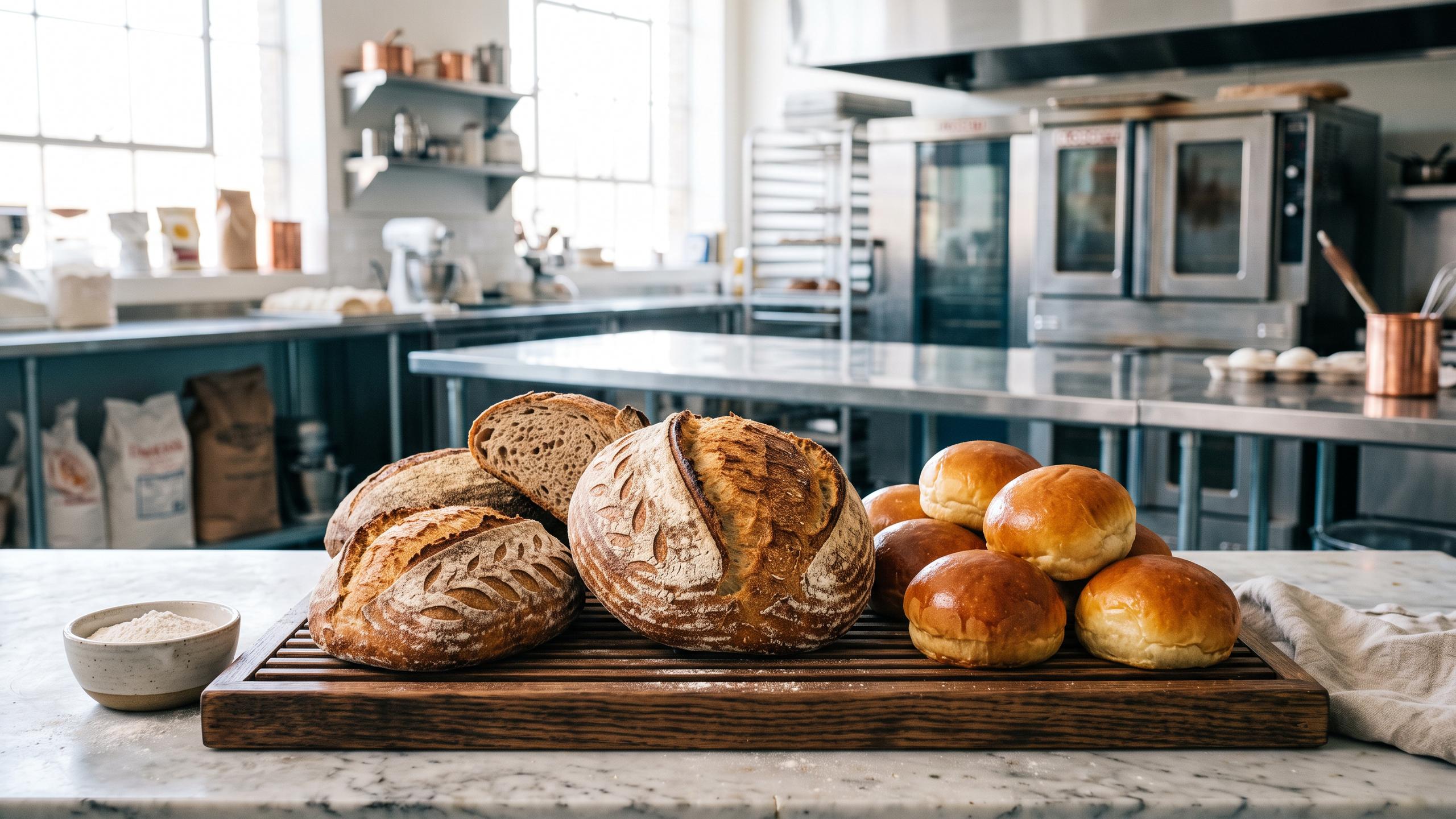
Grupo Bimbo, a Mexican-based company, has become the largest commercial baker in the United States through a series of strategic acquisitions. Its U.S. subsidiary, Bimbo Bakeries USA, now owns popular
American brands such as Sara Lee, Thomas', Entenmann's, and Ball Park buns. The company's significant expansion began in 2009 with the acquisition of Weston Foods' U.S. bakery business for $2.38 billion, which included the Thomas' and Entenmann's brands. This move made Bimbo Bakeries USA the largest baker in the country. In 2011, Grupo Bimbo further strengthened its position by acquiring Sara Lee's North American fresh bakery business, which was the third-largest baker in the U.S. at the time, also gaining ownership of the Ball Park buns brand. As of Q3 2026, Grupo Bimbo's investor presentation indicated that the company topped the U.S. bakery industry in four out of six categories based on year-to-date sales growth, including salty snacks, buns and rolls, breakfast, and premium bread. The company plans to invest approximately $1 billion in the U.S. between 2026 and 2028 to further expand its presence and reduce logistical costs.
Why It's Important?
Grupo Bimbo's dominance in the U.S. bakery market signifies a significant shift in the ownership landscape of American household brands. This trend of foreign ownership of major U.S. food companies has implications for national economic identity, supply chains, and consumer choices. The company's aggressive growth strategy, marked by substantial investments and acquisitions, demonstrates a strong belief in the U.S. market's potential. Its ability to outperform competitors in key categories, such as salty snacks with a 9.6% year-to-date sales growth compared to the industry's 1.3%, highlights its effective business strategies and market penetration. The planned $1 billion investment and focus on reducing logistical costs could lead to more competitive pricing for consumers, potentially impacting smaller, domestically owned bakeries and the overall U.S. food industry.
What's Next?
Grupo Bimbo's announced investment of $1 billion in the U.S. between 2026 and 2028 indicates a continued strategy of expansion and market consolidation. This investment is expected to further enhance its operational efficiency, particularly through efforts to reduce logistical costs, which could translate into more competitive pricing for its products. The company's ongoing growth and market leadership suggest that it will continue to be a major player in the U.S. food sector, potentially leading to further acquisitions or increased market share. Competitors in the U.S. bakery industry will likely need to adapt their strategies to contend with Grupo Bimbo's strong market presence and investment capabilities. Consumers can expect to see a continued prevalence of Grupo Bimbo-owned brands on store shelves.
Beyond the Headlines
The story of Grupo Bimbo's success in the U.S. market reflects broader trends in globalized economies, where national brands increasingly fall under international ownership. This raises questions about the concept of 'American-owned' products and the impact on local economies and employment. While Grupo Bimbo's investments create jobs and contribute to the U.S. economy, the ultimate control and profits flow to a foreign entity. The company's focus on reducing logistical costs also touches upon the complex dynamics of supply chain management and its influence on consumer prices, especially in an inflationary environment. This case exemplifies how strategic international business decisions can reshape domestic industries and consumer landscapes, often without widespread public awareness of the underlying ownership structures.