


What's Happening?
DICK'S Sporting Goods reported a strong third quarter, leading the company to raise the low end of its full-year comparable sales outlook and increase operating income expectations. The company's core
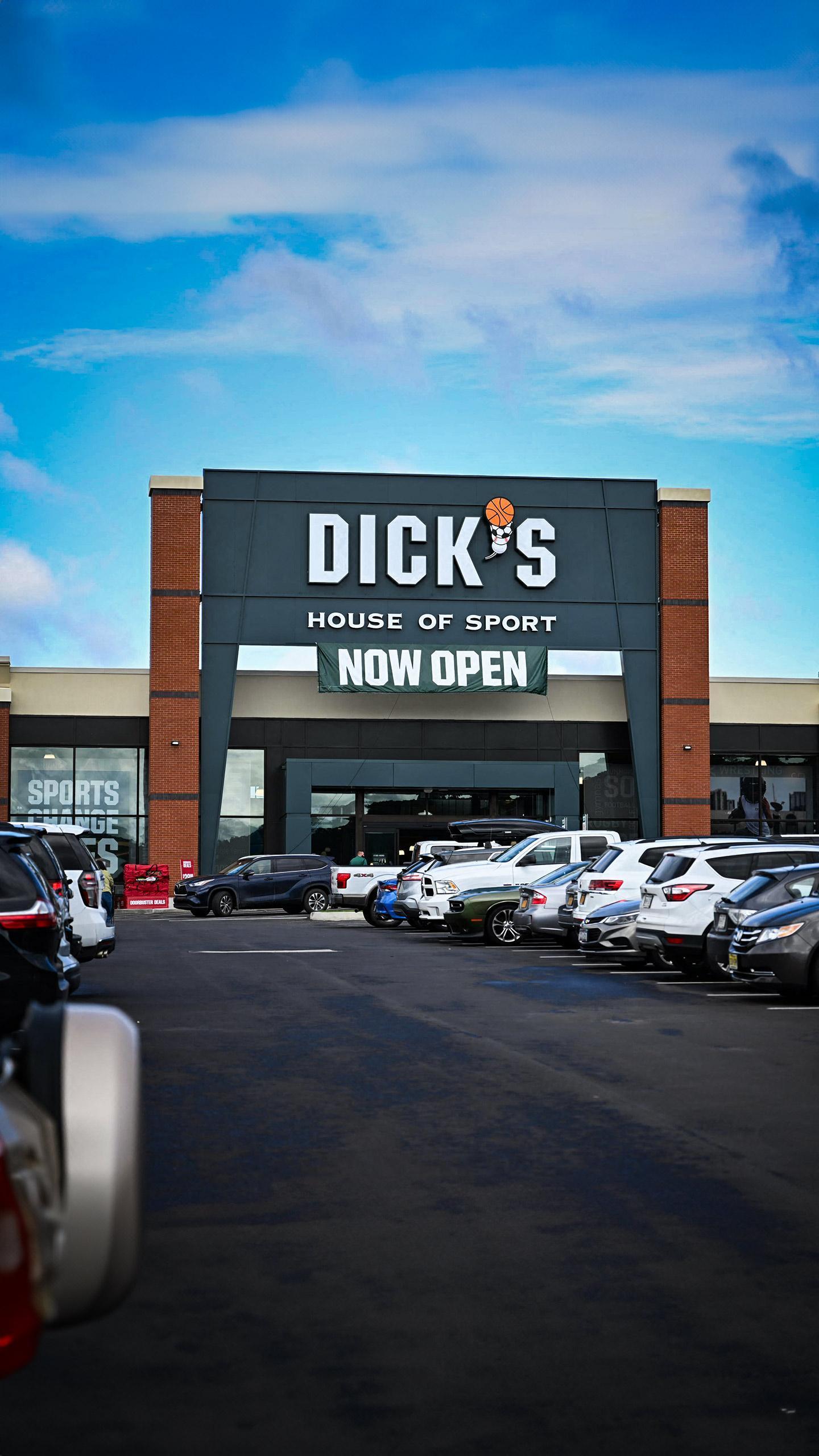
DICK'S business saw a 2.6% comparable sales increase, driven by a 3.7% rise in average ticket, despite a 1.1% decline in transaction counts. This growth was fueled by a robust back-to-school season and strong performance in footwear, team sports, and licensed products. DICK'S is actively expanding its experiential retail formats, 'House of Sport' and 'Field House,' which are generating significant omnichannel sales and strong profitability. These formats are also creating new opportunities for collaborations with brands like Gymshark, Vuori, and Arc'teryx. The company's youth sports platform, GameChanger, continues its high-growth trajectory, with annual revenue projected to approach $200 million in fiscal 2026. While the Foot Locker business, acquired by DICK'S, showed a 0.5% pro forma comparable sales increase, primarily in the U.S., it continues to face challenges in the athletic footwear market due to an excess of legacy products.
Why It's Important?
The continued strong performance of DICK'S Sporting Goods, particularly its core business and experiential retail concepts, highlights a successful strategy in a competitive retail landscape. The 'House of Sport' and 'Field House' models are not only driving sales and profitability but also attracting new brand partnerships, indicating a shift towards more immersive and differentiated retail experiences. This approach allows DICK'S to secure prime real estate and offer unique products, strengthening its market position. The growth of GameChanger underscores the increasing importance of digital platforms in youth sports, providing DICK'S with a valuable connection to millions of families and diversifying its revenue streams. The challenges faced by the Foot Locker segment, particularly with legacy footwear products and the Jordan brand, reflect broader industry pressures. However, DICK'S' efforts to re-assort products and optimize Foot Locker stores suggest a strategic focus on long-term profitability, which could set a precedent for how large retailers integrate acquisitions and adapt to evolving consumer preferences in the athletic wear market.
What's Next?
DICK'S Sporting Goods plans to continue investing in its 'House of Sport' and 'Field House' formats, with 47 'House of Sport' and 55 'Field House' locations nationwide. The company will also focus on expanding GameChanger into new sports, with basketball identified as the next significant opportunity. Efforts to improve the Foot Locker business will involve reassorting products, optimizing store formats like 'Fast Break,' and evaluating underperforming stores for potential closure across North America, Europe, Australia, and New Zealand. Management anticipates that the athletic footwear market will remain promotional through the balance of the current quarter and potentially into next year as the industry works through excess inventory. DICK'S will provide a clearer outlook for fiscal year 2027 at the end of its fourth-quarter earnings call, which is tentatively scheduled for March 9, 2027.
Beyond the Headlines
The success of DICK'S Sporting Goods' experiential retail formats and digital platforms like GameChanger points to a broader trend in retail where physical stores are evolving beyond mere transaction points into engagement hubs. These immersive environments not only drive sales but also foster deeper brand loyalty and provide unique opportunities for brand collaborations. The company's strategic acquisition of Foot Locker, despite initial integration challenges, reflects a long-term vision to dominate the entire 'life cycle of footwear,' from exclusive launches to managing end-of-life inventory. This integrated approach, combined with investments in data-rich platforms like GameChanger, positions DICK'S to leverage insights into consumer behavior and youth sports participation. The ongoing adjustments within the Foot Locker segment, particularly concerning the Jordan brand and promotional activities, highlight the dynamic nature of brand-retailer relationships and the continuous need for retailers to adapt to brand strategies and market shifts. The emphasis on 'newness and innovation' across both DICK'S and Foot Locker suggests a strategic pivot towards high-demand, differentiated products to maintain market share and profitability.