



What's Happening?
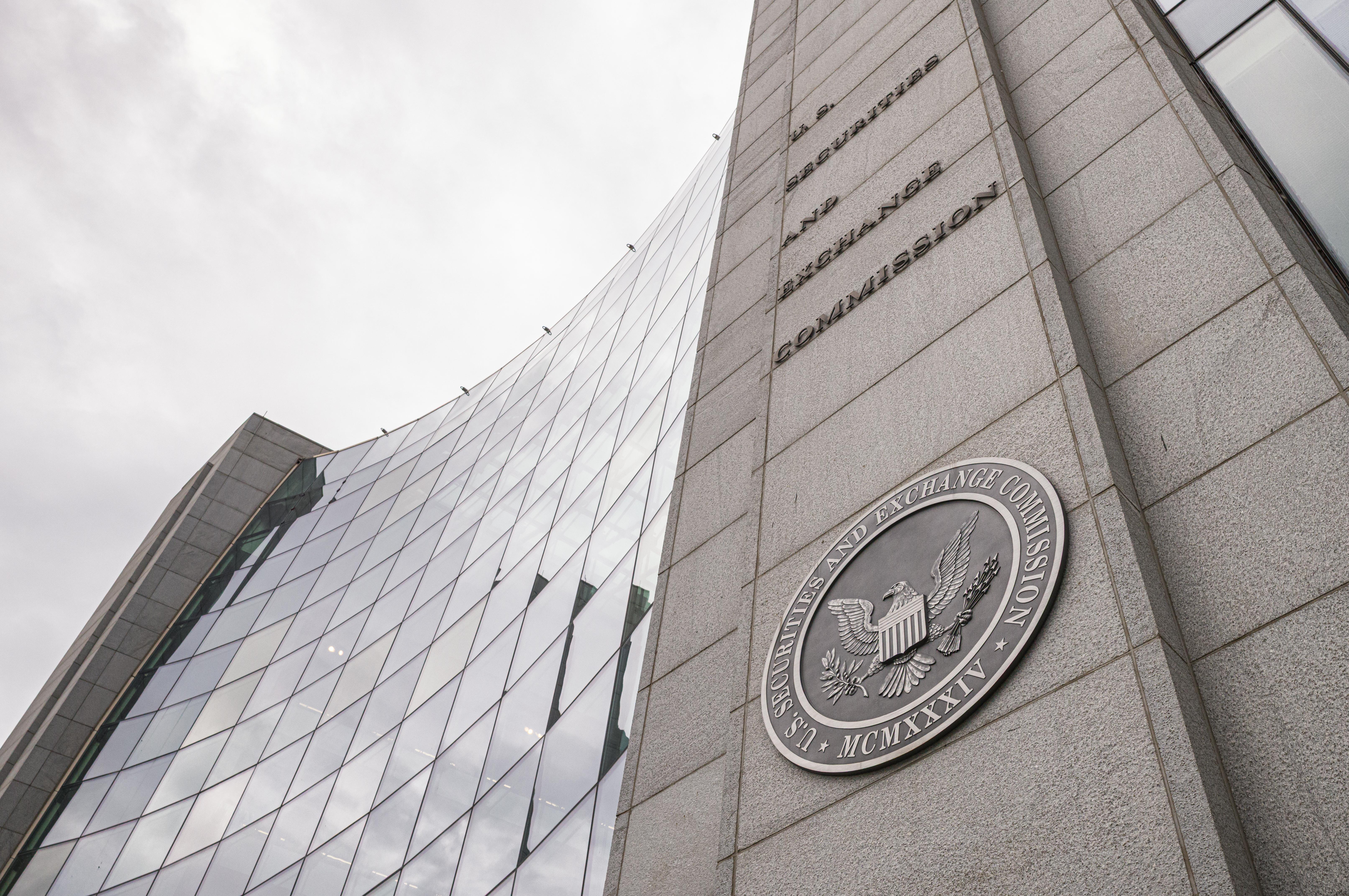
The U.S. Securities and Exchange Commission (SEC) Office of Investor Education has outlined 10 red flags to help investors identify potential investment fraud. These warning signs include promises of guaranteed
returns or vast riches, sellers lacking proper licenses, and demands for payment via unconventional methods like gift cards. Scammers often create a false sense of urgency, claim that 'everyone is buying it,' or forge official endorsements to appear legitimate. According to the Federal Reserve, 21% of U.S. adults encountered a fraud or scam in 2024, and fraud through non-credit card payment methods cost consumers $56 billion in 2025. Investment fraud victims often have higher incomes and college degrees, indicating that no one is immune.
Why It's Important?
The prevalence of investment fraud underscores a significant threat to the financial well-being of Americans. The SEC's checklist is crucial because scammers often mimic legitimate firms and regulators, making it difficult for investors to distinguish between genuine opportunities and fraudulent schemes. The ease with which fraudsters can forge documents and create a sense of social consensus highlights the need for investors to actively verify claims rather than relying on instinct. The substantial financial losses reported, particularly through payment methods that offer little protection, emphasize the importance of investor education and robust enforcement to protect savings and maintain confidence in financial markets.
What's Next?
The SEC advises investors to treat each red flag as a cue to stop and verify information before proceeding with any investment. This includes checking the credentials of sellers, scrutinizing promises of guaranteed returns, and questioning unusual payment requests. The Federal Reserve Board's research suggests that enforcement is more effective than education alone in preventing schemes like Ponzi schemes, but education empowers investors to report suspicious activities. Therefore, a combination of investor awareness and regulatory action will be critical in mitigating the impact of investment fraud. Investors are encouraged to report any suspicious activity to the appropriate authorities.
Beyond the Headlines
The sophisticated nature of modern investment fraud, often involving forged regulatory filings and psychological manipulation, points to a broader challenge in the digital age. The ease with which information can be fabricated and disseminated online creates an environment ripe for deception. This situation raises questions about the adequacy of current regulatory frameworks to keep pace with evolving scam tactics and the need for continuous innovation in fraud detection and prevention. Beyond financial losses, victims often experience significant emotional distress and a loss of trust, which can have long-term psychological and social consequences. The emphasis on verification and skepticism is not just a financial safeguard but also a critical life skill in an increasingly complex information landscape.