
What's Happening?
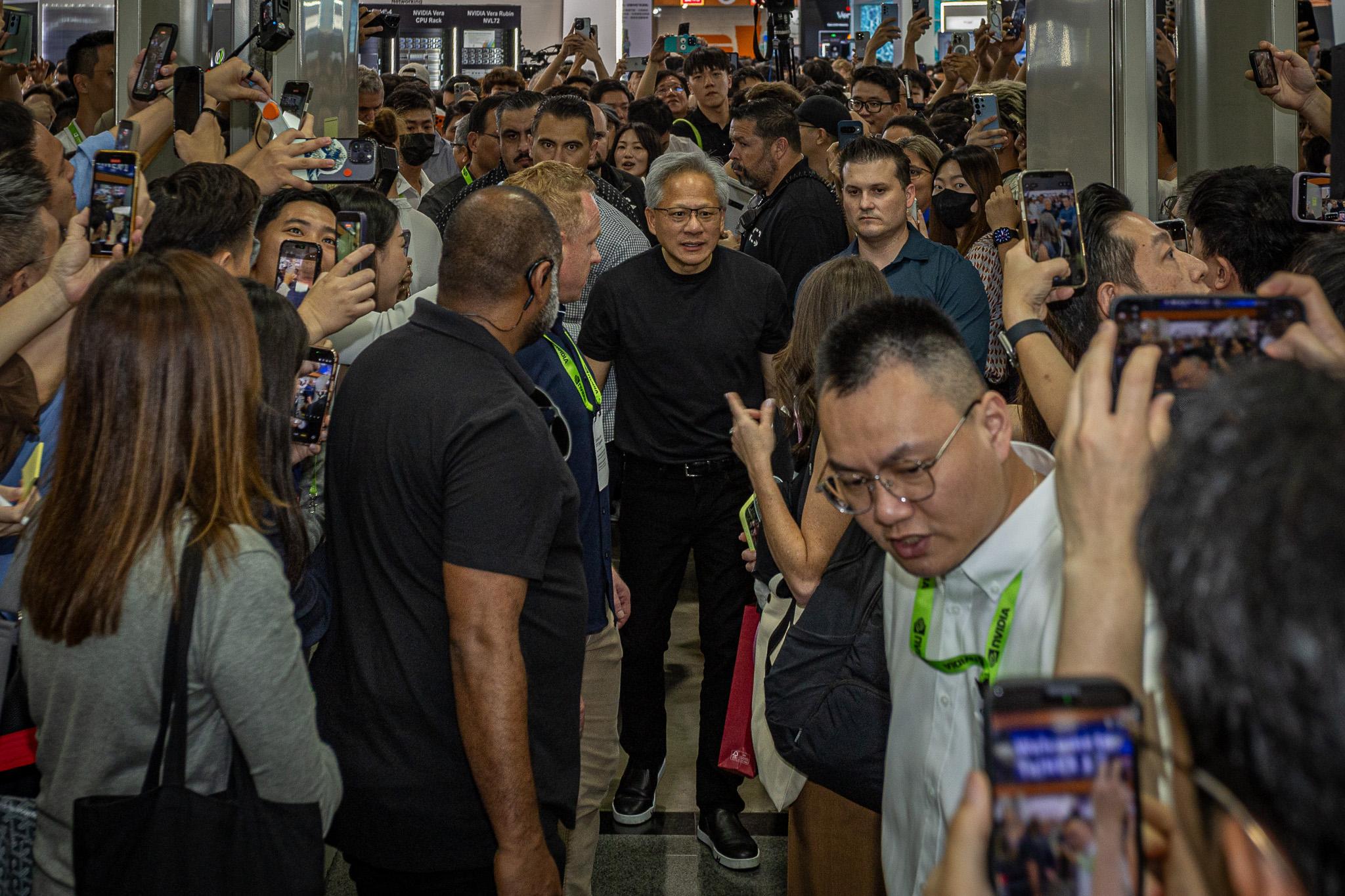
Treasury Secretary Scott Bessent recently addressed the possibility of former Nvidia CEO Jensen Huang returning to his leadership role. Huang stepped down on November 12 amidst an ongoing investigation
into Nvidia's business dealings with China and allegations concerning his relationship with Alice Huang, a Chinese businesswoman suspected by U.S. intelligence officials of having ties to Chinese intelligence. Alice Huang is reportedly at the center of a controversy where she may have used her connections to Nvidia to facilitate the movement of restricted AI chips to Chinese businesses. President Trump has publicly supported Jensen Huang's return, and his supporters have also urged Nvidia's board to reconsider his departure. Bessent, appearing on CBS’s “Face the Nation,” suggested that Jensen Huang might not have been aware of Alice Huang's alleged spy activities. He emphasized that the administration needs to determine who was responsible for the alleged violations within Nvidia before making any definitive statements about Huang's future with the company.
Why It's Important?
The potential return of Jensen Huang to Nvidia carries significant implications for the U.S. technology sector, national security, and U.S.-China relations. Nvidia is a leading AI chipmaker, and any disruption or controversy surrounding its leadership and compliance with export controls can impact the global supply chain for advanced technology. The ongoing investigation into Nvidia's dealings with China highlights the U.S. government's heightened scrutiny over technology transfers to adversarial nations, particularly concerning AI capabilities. If it is found that restricted AI chips were indeed moved to China through illicit means, it could signal vulnerabilities in U.S. export control mechanisms and potentially compromise national security interests. The involvement of a suspected Chinese spy further complicates the situation, raising concerns about corporate espionage and the integrity of U.S. technology companies. The outcome of this situation could influence future regulatory frameworks for tech companies operating internationally and set precedents for how the U.S. government handles alleged breaches of national security by corporate entities.
What's Next?
The immediate next steps involve the ongoing investigation into Nvidia's compliance and the alleged movement of restricted AI chips to China. Treasury Secretary Bessent indicated that the administration is focused on identifying who within Nvidia was responsible for any non-compliance. This suggests a thorough internal and potentially external review of the company's operations and adherence to U.S. export laws. Nvidia's temporary management, lead directors, and lawyers are reportedly in communication with the Trump administration, indicating a collaborative effort to ascertain the facts. The company is under pressure to quickly address these issues and demonstrate a clear understanding of its internal culture regarding compliance. Depending on the findings, there could be significant repercussions for Nvidia, including potential fines, further restrictions, or changes in leadership. The stance of President Trump and his supporters on Jensen Huang's return will likely continue to influence public discourse and potentially the board's decision-making process. The situation also sets the stage for potential Senate committee hearings, as some lawmakers have expressed interest in questioning key administration officials about the effectiveness of export controls.
Beyond the Headlines
Beyond the immediate corporate and political ramifications, this situation underscores deeper ethical and legal challenges in the rapidly evolving landscape of artificial intelligence and global technology competition. The alleged involvement of a suspected spy highlights the sophisticated methods employed by foreign adversaries to acquire advanced technology, blurring the lines between legitimate business dealings and national security threats. This incident could prompt a re-evaluation of corporate governance structures within major tech companies, particularly regarding oversight of international operations and employee conduct in sensitive areas. It also brings to the forefront the ethical responsibilities of corporate leaders in safeguarding national interests, even as they pursue global market opportunities. The case may also trigger broader discussions about the balance between fostering innovation and implementing stringent national security measures, especially in critical technological domains like AI. The outcome could influence how U.S. intelligence agencies and regulatory bodies collaborate to prevent technology leakage and protect intellectual property in an increasingly interconnected world.