



What's Happening?
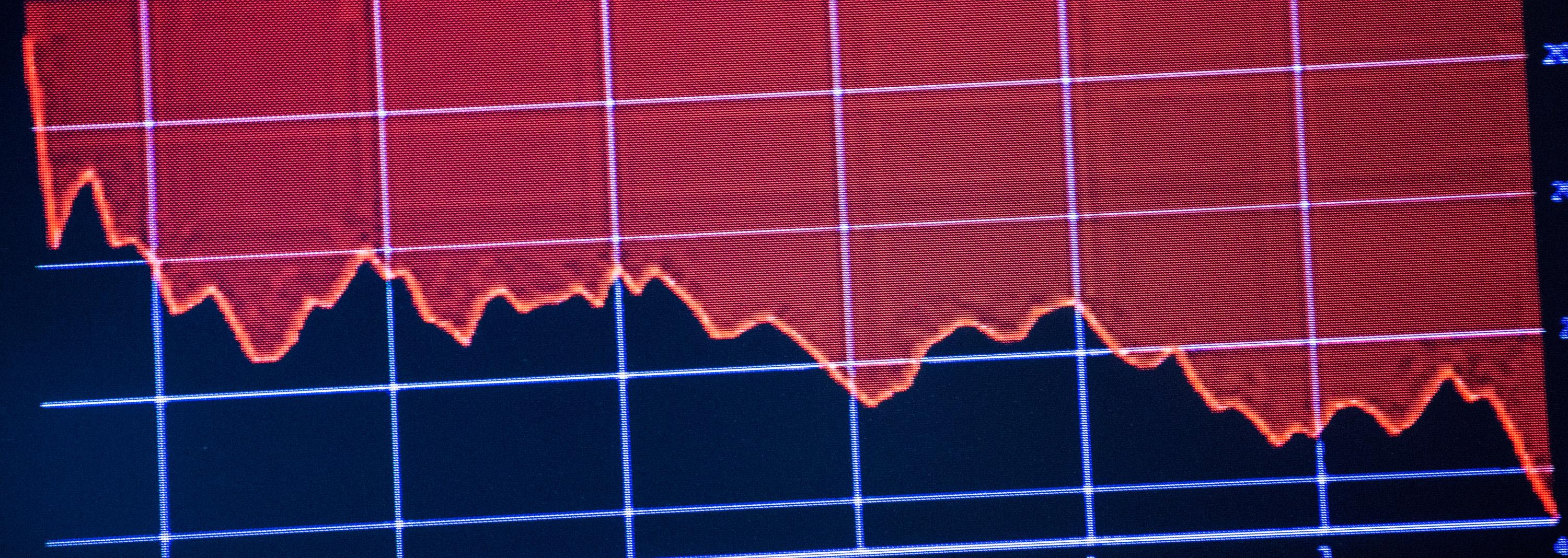
TTM Technologies (TTMI) shares experienced a significant decline of approximately 26.5% over 30 days through late November, falling from around $80 to $59. This drop occurred despite the company reporting
record third-quarter results, with revenue increasing 60% year-over-year to $1.2 billion and non-GAAP EPS of $1.46 exceeding consensus estimates. The primary drivers for the stock's downturn were investor concerns regarding a timing slip in an AI data-center program and an aggressive, debt-funded acquisition strategy. Specifically, the data-center and networking segment's performance was about 10% below management's quarterly plan due to a customer scheduling delay in one of three N+M (asymmetrical PCB) programs. Additionally, the company's $650 million cash agreement for Ophir Optics raised pro forma net leverage and is expected to triple quarterly interest expenses. Several analysts subsequently lowered their price targets, even while maintaining 'Buy' ratings, reflecting concerns about valuation, leverage, and execution timing.
Why It's Important?
The decline in TTM Technologies' stock highlights the market's increasing sensitivity to execution details and balance sheet health, particularly for companies operating in high-growth sectors like AI and defense hardware. The company's repositioning into an integrated specialty electronics platform, focusing on AI-driven data-center infrastructure and mission-critical defense electronics, positions it within significant secular trends. However, the market's reaction to a program timing slip, even with strong overall financial results, indicates that investors are scrutinizing the pace and reliability of growth in these areas. The aggressive, debt-funded acquisition strategy, while potentially expanding the company's capabilities, has raised concerns about leverage and future interest expenses, which could impact profitability and financial flexibility. This situation underscores a broader market shift where investors are becoming more cautious, especially in a 'higher-for-longer' interest rate environment, leading to a re-evaluation of richly valued AI-related stocks.
What's Next?
Investors will closely monitor several key factors for TTM Technologies. The pace of the N+M (asymmetrical PCB) ramp within the data-center and networking segment is crucial, as management has projected this technology to grow from approximately 30% to 50% of data-center revenue by 2027. Execution against the company's raised fourth-quarter and 2027 guidance will serve as a critical test of whether market concerns about timing were overblown. Furthermore, developments related to the balance sheet will be significant. With elevated net leverage following recent acquisitions, any commentary on deleveraging efforts, free cash flow generation, and potential future merger and acquisition activities will likely influence investor sentiment. Broader macroeconomic conditions, including interest rates, AI capital expenditure trends among hyperscale customers, and defense budget dynamics, will also continue to shape the stock's trajectory.
Beyond the Headlines
The situation with TTM Technologies reflects a broader trend in the technology and defense sectors where companies are aggressively pursuing growth through acquisitions to capitalize on emerging megatrends like AI. While such strategies can lead to rapid expansion and market leadership, they also introduce financial risks, particularly concerning increased debt and integration challenges. The market's swift and sharp reaction to a perceived 'timing slip' in an AI program, despite strong overall financial performance, suggests a low tolerance for execution delays in high-stakes, high-valuation sectors. This could lead to increased pressure on companies to deliver on projected timelines and manage investor expectations meticulously. The emphasis on 'execution details' and 'balance sheet concerns' indicates a maturing investment landscape for AI-related stocks, moving beyond initial enthusiasm to a more rigorous assessment of operational efficiency and financial prudence.