
What's Happening?
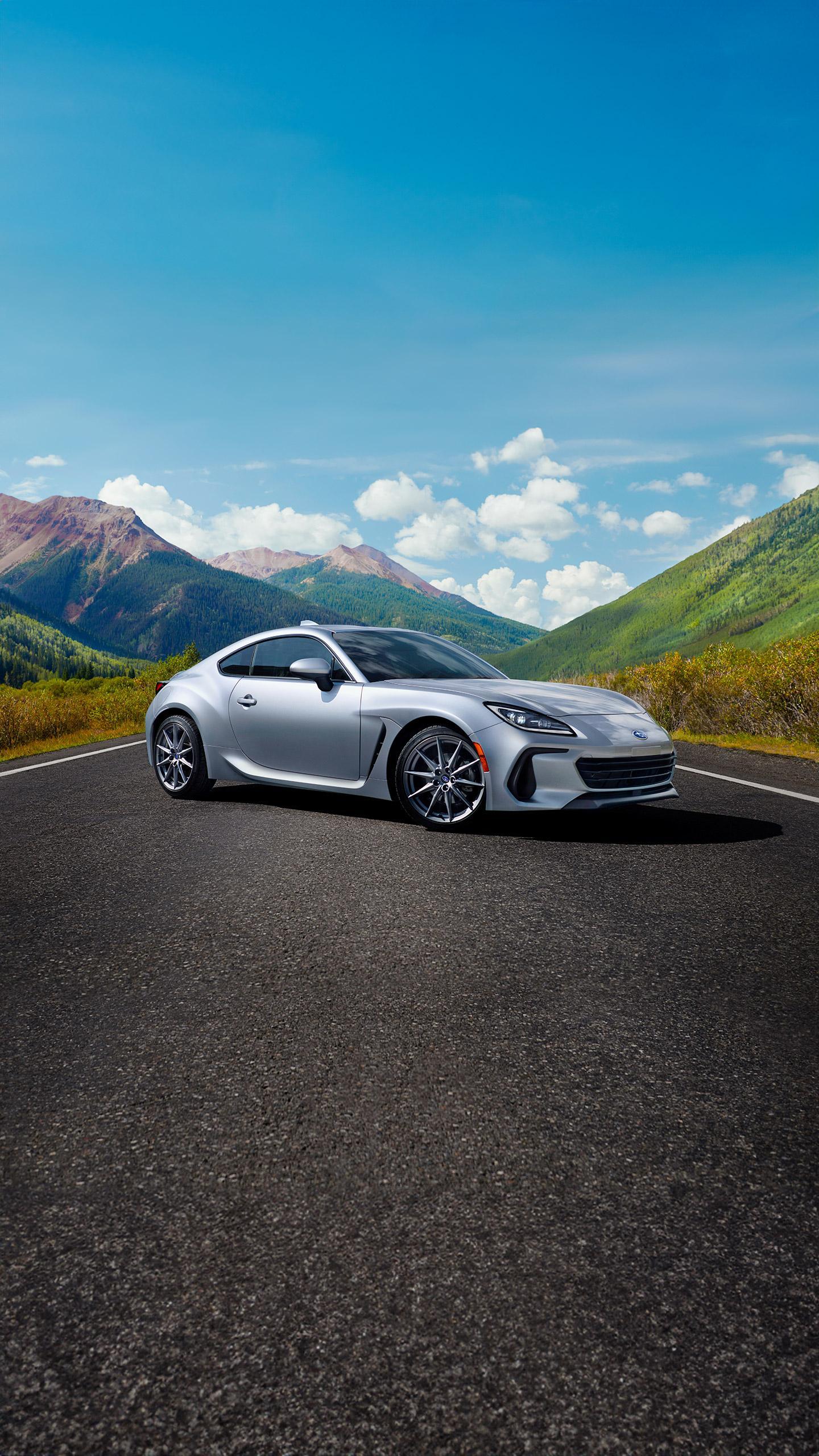
Toyota's GR86 and its predecessors (FR-S and 86) have outsold the Subaru BRZ by more than a 2-to-1 margin in the U.S. since 2012. According to year-end sales reports from both manufacturers, Toyota sold 124,215
of its coupes from 2012 through 2025, compared to 58,318 BRZs. Both vehicles are built at Subaru's Gunma plant in Japan and share a Subaru boxer engine, with a 2.0-liter in the first generation and a 228-hp 2.4-liter since the 2022 redesign. The sales disparity became more pronounced after the redesign, with Toyota selling 11,996 GR86s in 2022 to Subaru's 3,345 BRZs. Akio Toyoda's initiative to enhance Toyota's image beyond appliance-like vehicles is cited as a factor in the GR86's success, leveraging heritage with the GR86 name nodding to the AE86-generation Corolla Levin and Sprinter Trueno.
Why It's Important?
This significant sales gap highlights the impact of brand perception, marketing strategy, and dealer network size in the competitive U.S. automotive market, even for vehicles sharing core components. Toyota's larger U.S. dealer network and strong reliability reputation provide a substantial advantage, allowing more potential buyers to access and test the GR86. Subaru, on the other hand, has historically focused on all-wheel drive and outdoorsy appeal, making a rear-drive sports coupe a less natural fit for its brand identity. The pricing strategy also plays a role, with the 2027 BRZ starting at $36,140, which is $4,640 more than the base 2027 GR86's $31,500. This difference in pricing and market positioning means Subaru treats the BRZ as a more premium option, while Toyota offers a more accessible entry trim, broadening its appeal.
What's Next?
The sales gap has narrowed in the current year, with Toyota selling 5,642 GR86s (down 30% from 2025) and Subaru selling 2,234 BRZs (down 2.2%) through September, maintaining Toyota's lead at approximately 2.5 to 1. There are indications that Toyota might explore new partnerships for future iterations of the GR86. Japan's Best Car magazine has reported discussions between Toyota and Mazda regarding a shared rear-drive platform for future GR86 and MX-5 Miata models, though this remains unconfirmed by either company. Toyota is also testing a GR86 Future FR Concept prototype featuring a naturally aspirated version of its new G20E 2.0-liter inline-four engine, suggesting potential future powertrain developments for the model.
Beyond the Headlines
The sales performance of the GR86 and BRZ twins illustrates a broader trend in the automotive industry where brand legacy and market reach can significantly influence product success, even when the underlying hardware is nearly identical. Subaru's decision to limit BRZ output to prioritize volume models like the Forester suggests a strategic allocation of resources towards its core market strengths. This divergence in strategy, despite a shared manufacturing and engineering foundation, underscores the distinct corporate philosophies and market positioning of Toyota and Subaru in the U.S. The potential collaboration between Toyota and Mazda for a shared rear-drive platform could signal a future trend of cross-brand partnerships to develop niche sports cars more cost-effectively, ensuring the continuation of enthusiast-focused vehicles in an evolving market.