




What's Happening?
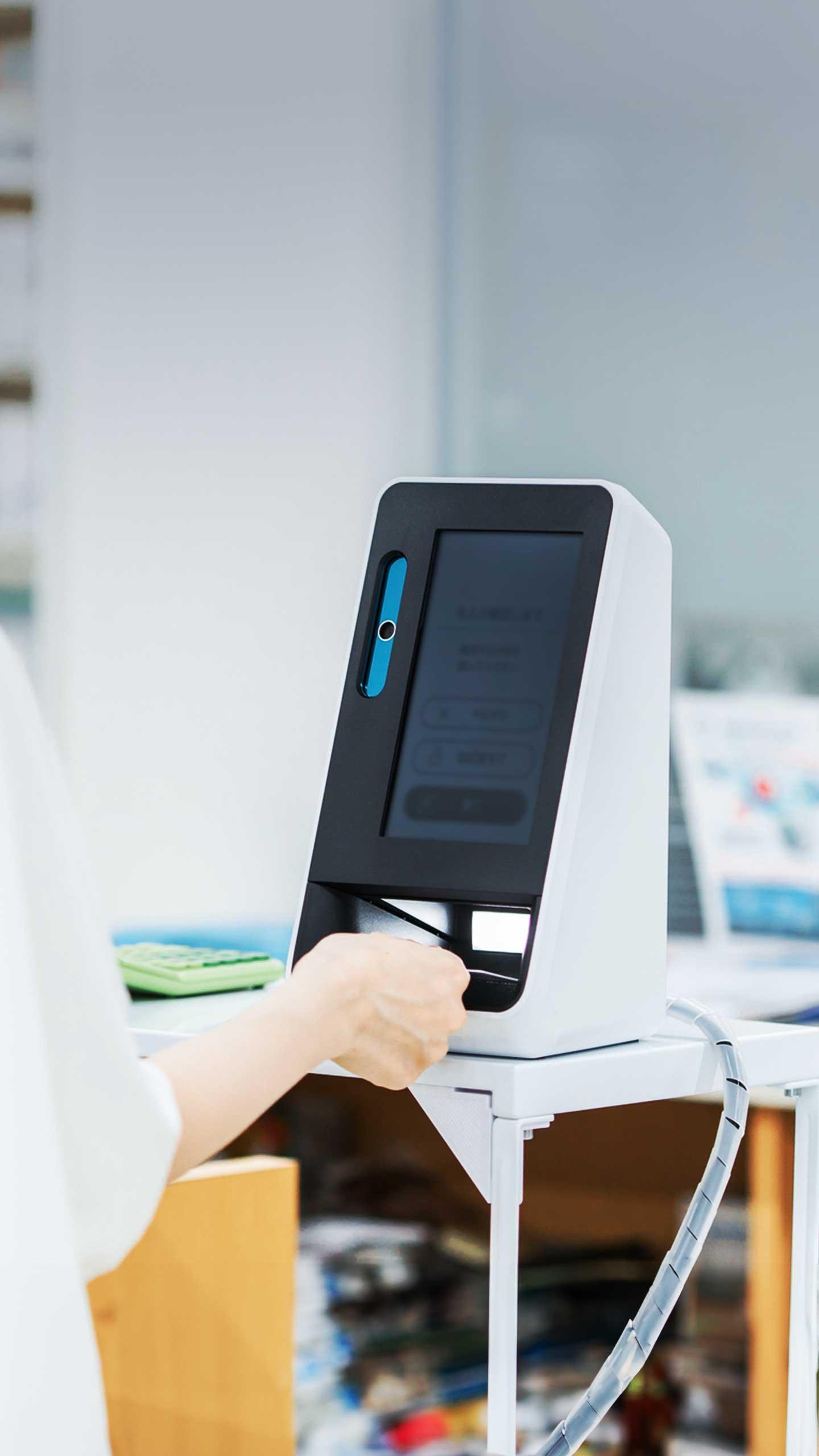
The market for interactive kiosks in libraries is experiencing significant growth, particularly in North America and Europe, with Asia-Pacific showing the fastest adoption rates. These kiosks are being
purchased by public and academic libraries, municipal and regional library consortia, schools, universities, and increasingly, corporate and special libraries. The primary drivers for this demand include rising self-service expectations from patrons, staff shortages that necessitate redeploying librarians to advisory roles, and a general push to modernize library spaces. Additionally, these kiosks support digital literacy initiatives, improve accessibility compliance, and facilitate contactless wayfinding and borrowing services. Key manufacturers in this competitive landscape include Kiosk Information Systems (Posiflex), Evoke Creative, Meridian Kiosks, Hyosung TNS, and Bibliotheca, each specializing in different aspects of kiosk technology, from hardware durability to content management and integrated library solutions.
Why It's Important?
The increasing adoption of interactive kiosks in U.S. libraries signifies a broader trend towards automation and enhanced user experience in public and academic institutions. For library patrons, these kiosks offer greater convenience and accessibility, allowing for self-checkout, information access, and digital catalog browsing, which can reduce wait times and improve overall service efficiency. For library staff, the technology helps alleviate the burden of routine tasks, enabling them to focus on more specialized advisory and educational roles, thereby optimizing human resources. This shift also impacts technology providers, creating a robust market for companies offering hardware, software, and integration services for these systems. The emphasis on ADA compliance and accessibility features within these kiosks also highlights a commitment to inclusive design, ensuring that a wider range of users can benefit from library services. The modernization efforts driven by these kiosks also position libraries as forward-thinking institutions, capable of meeting contemporary digital demands.
What's Next?
As the demand for interactive kiosks continues to grow, buyers in the U.S. library sector will increasingly focus on several crucial factors when selecting suppliers. These include the breadth of product line-up to cater to diverse patron needs, the responsiveness and expertise of technical support, and the regional coverage of suppliers for efficient installations and maintenance. Certifications indicating compliance with industry standards and robust after-sales service for long-term support and updates will also be key considerations. Furthermore, integration with existing library management systems, accessibility features, durability, and the total cost of ownership will play a significant role in purchasing decisions. The market is expected to see continued innovation in kiosk technology, with manufacturers likely to offer more customizable options and advanced features to meet evolving library requirements and patron expectations.
Beyond the Headlines
The widespread integration of interactive kiosks in libraries extends beyond mere technological upgrades; it reflects a fundamental redefinition of the library's role in the digital age. By automating routine transactions, libraries can transform into more dynamic community hubs, emphasizing human interaction for complex inquiries and educational programs rather than basic service provision. This shift also raises questions about digital equity and access, as the effectiveness of these kiosks relies on patrons' digital literacy. While they enhance accessibility for some, ensuring that all community members, including those less familiar with technology, can navigate these systems effectively will be crucial. The data collected through kiosk usage could also offer valuable insights into patron behavior and preferences, enabling libraries to tailor their services more effectively, but also necessitating careful consideration of data privacy and security.