



What's Happening?
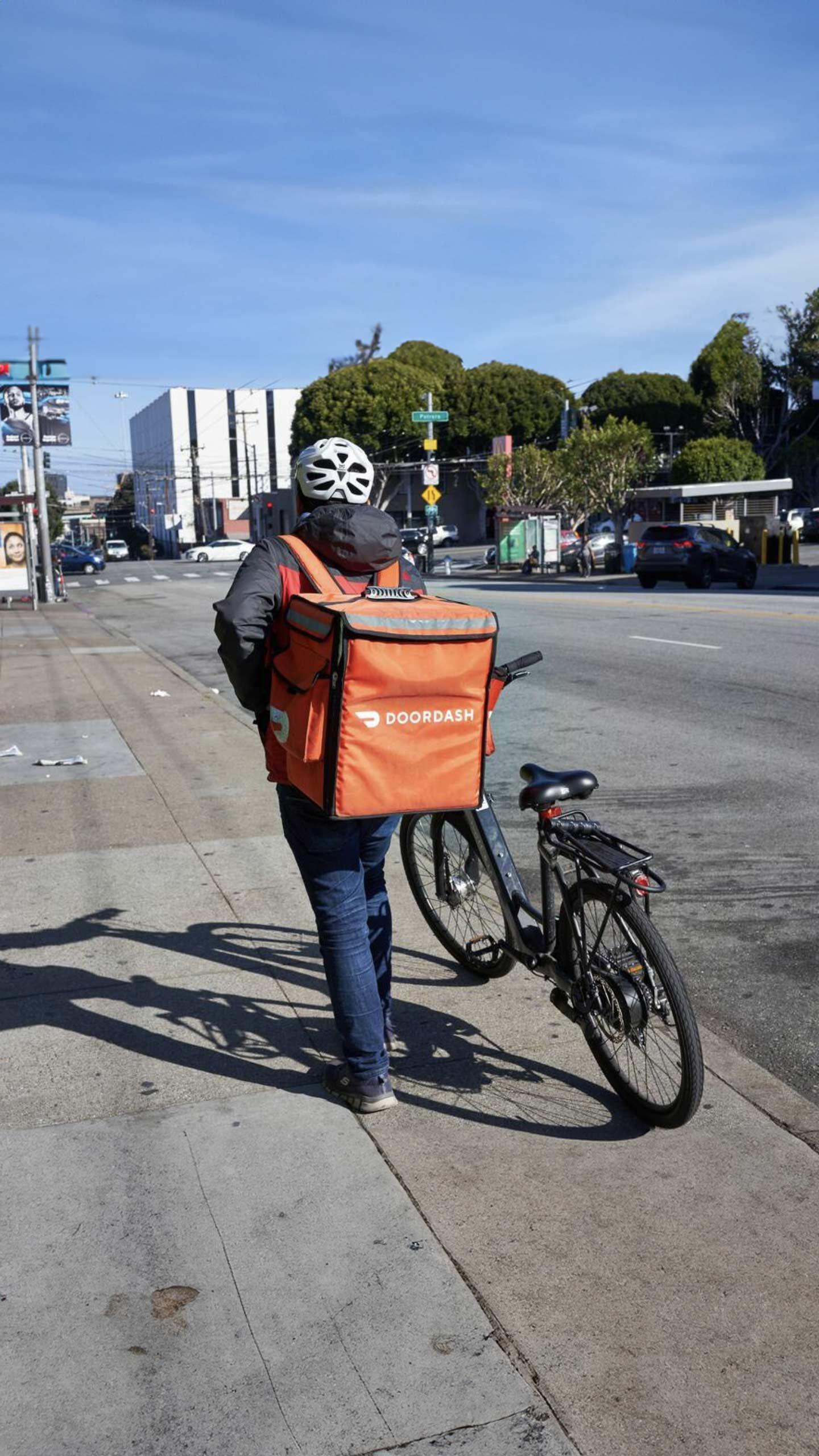
DoorDash announced it will waive delivery fees for over 300 eligible nonprofit Project DASH partners, including food banks, food pantries, and community organizations, from Thanksgiving through Christmas.
This initiative is expected to facilitate the delivery of an estimated 2 million meals to individuals in need during the holiday season. The program, running from November 16 through December 25, aims to support larger holiday distributions as food banks report increasing demand. Eli Scheinholtz, DoorDash’s head of strategic communications, emphasized the company's commitment to fighting hunger, especially during the holidays when many families face difficult financial decisions. Additionally, DoorDash is launching a donation feature within its app, allowing customers to contribute to Feeding America's network of 200 food banks, with 100% of donations going directly to the nonprofit. The company is also collaborating with grocery partners to enable SNAP/EBT users to utilize their benefits for holiday savings and is working with healthcare providers to deliver medically tailored groceries to patients facing mobility challenges or time constraints.
Why It's Important?
This initiative by DoorDash is significant as it directly addresses the growing issue of food insecurity in the United States, particularly during the holiday season when needs are heightened. By waiving delivery fees, DoorDash removes a significant logistical and financial barrier for food banks and pantries, enabling them to reach more individuals who might otherwise struggle to access food distribution sites. This is crucial for populations such as seniors who no longer drive or parents whose work schedules conflict with pantry hours. The partnership with Feeding America and the in-app donation feature also provide a convenient way for the public to contribute to hunger relief efforts, amplifying the impact. Furthermore, the focus on supporting SNAP/EBT users and delivering medically tailored groceries highlights a broader commitment to addressing diverse needs within food-insecure communities, potentially improving health outcomes and financial stability for vulnerable populations.
What's Next?
The DoorDash initiative will continue through December 25, with the company actively supporting its Project DASH partners in delivering meals. Following this holiday period, DoorDash plans to expand its work with healthcare providers and community organizations to deliver medically tailored groceries, indicating a long-term commitment to addressing food access for patients with specific health needs. The success of the in-app donation feature with Feeding America could also lead to similar partnerships or expanded donation opportunities in the future. Food banks and community organizations will likely continue to leverage these delivery services to reach a wider demographic, potentially integrating delivery as a more permanent component of their outreach strategies. The program's impact will likely be assessed by DoorDash and its partners to inform future corporate social responsibility efforts related to food insecurity.
Beyond the Headlines
This program underscores the evolving role of technology and private companies in addressing social welfare issues. DoorDash, primarily a commercial delivery service, is leveraging its existing infrastructure and logistical expertise to tackle a pressing societal problem—food insecurity. This model of corporate social responsibility moves beyond traditional philanthropy by integrating social impact directly into business operations. It also highlights the increasing reliance on last-mile delivery solutions for essential services, a trend accelerated by recent global events. The initiative could set a precedent for other logistics companies to engage in similar partnerships, potentially transforming how food aid and other critical resources are distributed to vulnerable populations. The focus on medically tailored groceries also points to a growing recognition of the link between food access, nutrition, and public health, suggesting a future where food delivery services play a more integral role in healthcare support systems.