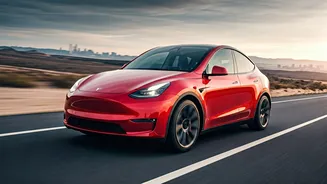







New AWD Variant
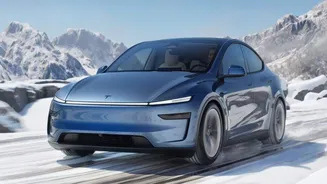
A significant addition has been made to the electric vehicle lineup, introducing a more accessible all-wheel drive (AWD) option for the popular Model Y
crossover. This new configuration aims to broaden its appeal by offering enhanced traction and performance at a more attractive price point. Priced at $43,630, which translates to approximately ₹39.4 lakh, this variant is designed to be a compelling choice for those seeking the benefits of AWD without the premium cost often associated with it. It boasts an EPA-estimated range of 473km on a single charge, positioning it as the model with the shortest range within the current Model Y family. This strategic pricing and feature set make it an interesting proposition in the competitive electric vehicle market, aiming to attract a wider customer base.
Pricing and Performance
The introduction of this new AWD Model Y creates interesting pricing dynamics within the existing range. It comes in at $2,000 more than the rear-wheel drive (RWD) version, which offers a slightly longer range of 517km. However, it presents considerable savings compared to other higher-tier models, being $3,000 less expensive than the Model Y Premium RWD and a substantial $7,000 cheaper than the Premium AWD variant. Despite carrying an additional weight of about 91kg over its RWD counterpart, this new model delivers a remarkable acceleration. It can achieve 0-97km/h in a swift 4.6 seconds, significantly outperforming the RWD model by 2.2 seconds and highlighting the performance gains associated with the AWD system.
Branding and Market Position
In a subtle yet notable shift, the entry-level trims of both the Model 3 and Model Y are no longer being designated with the 'Standard' moniker. This new AWD Model Y, therefore, does not carry that badge, even though it represents an accessible option. This rebranding effort sees the continuation of 'Premium' and 'Performance' titles for the higher-spec models, maintaining a clear hierarchy. This strategic move occurs as the company continues to hold a dominant position in the US electric vehicle market, albeit with a slight contraction in its market share over the past year, which saw a 7% decrease in sales amidst growing competition from other manufacturers.