



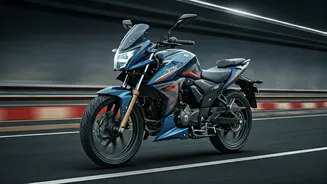
RC Series Overhaul
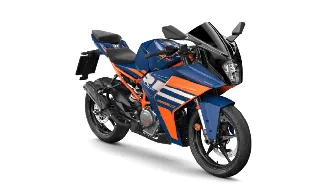
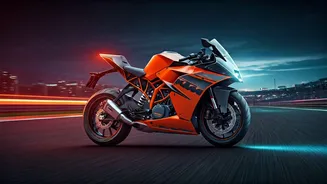
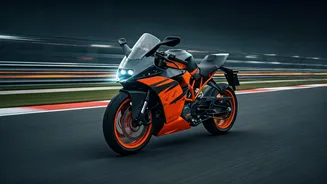
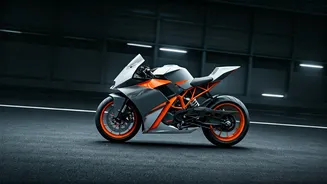
The next chapter for KTM's sporty RC series is slated to unfold towards the end of 2027, bringing with it a substantial refresh. This anticipated update
will feature a modernized aesthetic, including the integration of contemporary LED headlights for enhanced illumination and a more aggressive stance. Furthermore, expect the inclusion of new winglets, likely designed to improve aerodynamic efficiency and further accentuate the bike's performance-oriented character. This visual and aerodynamic makeover signals a commitment to keeping the RC line at the forefront of sportbike design and technology, offering riders a more engaging and visually appealing machine that reflects the brand's performance ethos. The timing suggests a strategic move to align with market trends and technological advancements within the motorcycle industry, ensuring the RC series remains competitive and desirable for enthusiasts seeking cutting-edge sportbike experiences.
RC 390 Powertrain Shift
A significant talking point surrounding the upcoming RC evolution is the potential for the RC 390 to transition from its current single-cylinder engine to a more potent twin-cylinder setup. This move aims to inject a considerable boost in power and performance, offering a more exhilarating riding experience for enthusiasts. The development of a new twin-cylinder engine, specifically designed to fall under the 500 cc category, is already underway and has been observed in testing phases. This collaborative effort between KTM and Bajaj is focused on creating a powerplant that delivers both enhanced capabilities and adheres to emerging emission and efficiency standards. While a prototype of a similar nature has been seen abroad, it is confirmed not to be the same unit intended for the upcoming models, indicating a bespoke development for the global market. This strategic powertrain upgrade is set to redefine the performance benchmark for this segment.
Expanded Model Range
Beyond the flagship RC 390's potential transformation, the future also holds promising developments for riders seeking more accessible options. Following the implementation of GST 2.0 regulations, there's an expectation of new models emerging within the 350 cc displacement bracket. This strategic expansion is designed to cater to a broader spectrum of riders, offering more choices and potentially attracting a new demographic to the brand. It also allows Bajaj Auto to leverage tax benefits associated with these lower-displacement segments, making the offerings more commercially viable. Importantly, the existing 390-cc models are expected to continue their production, ensuring that riders who prefer the current engine configuration or seek established performance levels will still have access to them. This dual approach ensures a comprehensive lineup that caters to both performance-focused enthusiasts and those looking for a wider selection of entry-to-mid-level sportbikes.