






Policy's Strategic Shift
The Indian automotive industry is proactively seeking advantageous policy changes within the framework of Budget 2026, with the primary goal of amplifying
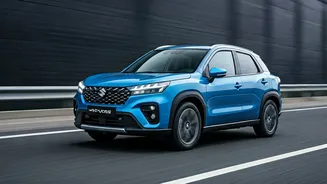
the proliferation of hybrid and electric vehicles (EVs). Their core argument emphasizes the significance of incentivizing these greener technological advancements, thereby addressing critical environmental concerns while concurrently bolstering the automotive sector's expansion. This strategic direction, if actualized, has the potential to reshape the market dynamics, stimulating consumer inclination towards eco-friendly transportation options and significantly reducing the overall carbon footprint associated with vehicular emissions. Through specific fiscal measures and regulatory modifications, the automotive industry strives to establish an ecosystem that not only promotes the early adoption of cleaner technologies but also guarantees long-term sustainability within the transportation segment, paving the way for a more environmentally conscious and economically viable future for India.
Tax Benefits Proposal
Central to the automotive sector's proposals for Budget 2026 is a strong push for tax incentives tailored specifically for hybrid and electric vehicles. This strategic recommendation includes a request to revisit and potentially reduce the existing Goods and Services Tax (GST) rates imposed on EVs, making them more financially accessible for a wider spectrum of consumers. Simultaneously, the industry is advocating for the reintroduction or enhancement of income tax benefits associated with the acquisition of EVs, which were previously offered. These incentives, if enacted, could substantially lower the total cost of ownership, thereby increasing the appeal of EVs and accelerating the transition from conventional gasoline-powered vehicles. Further, the industry proposes incentivizing the local production of EV components to fortify the domestic supply chain, decrease dependency on imports, and consequently, provide a boost to the 'Make in India' initiative, paving the way for a more robust and self-reliant automotive sector.
Infrastructure Support Demand
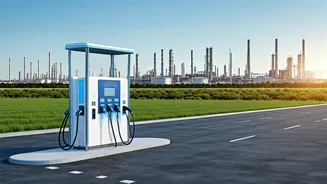
Beyond fiscal incentives, the automotive sector has also emphasized the crucial requirement for substantial infrastructure investments to support the increasing adoption of electric vehicles. This incorporates a comprehensive request for significant expansion of the charging infrastructure across the nation, especially in urban centers and along major roadways. The sector seeks government backing to accelerate the establishment of a robust charging network, encompassing both public and private charging stations, thus addressing the pivotal 'range anxiety' often associated with EVs. Furthermore, the industry is advocating for the implementation of streamlined approval processes and financial incentives to encourage private investment in charging infrastructure, thereby accelerating the deployment of these essential facilities. By focusing on both tax benefits and infrastructure improvements, the automotive industry aims to create a cohesive environment that encourages EV adoption and ensures a smooth transition to a sustainable future for transportation.
Boosting Local Manufacturing
In line with the government's 'Make in India' initiative, the automotive sector is actively seeking policies that support the local manufacturing of electric vehicles and their related components. This strategic approach involves advocating for incentives like production-linked incentives (PLI) to draw in investment in domestic EV manufacturing, especially battery production, which is a key component. The industry hopes to encourage indigenous production, decrease reliance on foreign imports, and nurture a competitive local supply chain. This push aims to establish India as a hub for EV manufacturing, fostering economic growth and job creation while concurrently lessening the environmental impact associated with transportation. Implementing such measures will not only boost local manufacturing capabilities but also contribute to a more self-sufficient and resilient automotive sector, reducing the industry's vulnerability to global supply chain disruptions.
Consumer Adoption Incentives
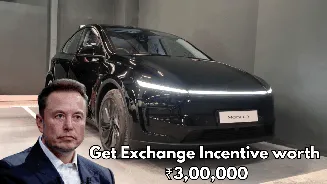
To directly incentivize consumers to transition to electric and hybrid vehicles, the automotive industry is requesting a variety of targeted initiatives within Budget 2026. This involves advocating for direct subsidies or purchase incentives that can bring down the initial cost of EVs and hybrids, thereby enhancing their affordability for a broader consumer base. Furthermore, the industry proposes the continuation of tax rebates and the introduction of favorable financing options, such as lower interest rates and extended repayment terms, which can make EV ownership more attractive. They are also requesting the introduction of policies that allow for the easy exchange of old, polluting vehicles for new EVs, further facilitating the shift toward cleaner vehicles. By providing a combination of financial and practical incentives, the automotive sector aims to stimulate consumer demand and quicken the adoption of sustainable transportation solutions across India, contributing to environmental goals and industry growth.