







Robotic Workforce Arrives
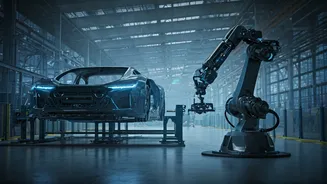
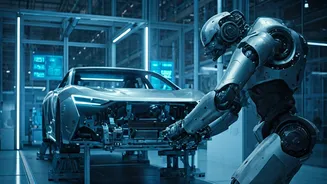
By 2029, a significant technological leap is scheduled for Kia's manufacturing facility located in Georgia. The company has announced plans to introduce
the advanced Atlas humanoid robots, a product of Hyundai's Boston Dynamics. These sophisticated machines are slated to take on a variety of fundamental operational tasks within the plant. The primary objective behind this deployment is to substantially improve both the safety standards for workers and the overall operational efficiency on the factory floor. This strategic integration of robotic technology marks a forward-thinking approach to modern automotive production, aiming to streamline processes and enhance the working environment. Beyond the immediate deployment, Kia is also diligently working towards the completion of its pioneering software-defined vehicle, with development anticipated to conclude by the end of 2027, further signaling its commitment to innovation across its product and production spectrum.
AI Investment Surge
Kia is making a substantial commitment to artificial intelligence, pledging an investment exceeding $500 million specifically for AI technologies. This ambitious financial undertaking involves strategic collaborations with industry leaders such as Google DeepMind and NVIDIA, renowned for their groundbreaking work in AI development. This significant investment underscores Kia's recognition of AI's transformative potential, particularly in the automotive sector. The company is keenly aware of the burgeoning software-defined vehicle market, which is projected to surpass $1 trillion in value over the course of the next decade. Kia aims to capture a significant share of this market by enhancing vehicle capabilities through subscription-based features and simultaneously driving down the costs associated with vehicle repairs. This multi-faceted approach to AI integration is designed to position Kia at the forefront of technological advancement in the automotive landscape, promising more connected and cost-effective vehicle ownership for its customers.
Evolving Vehicle Strategy
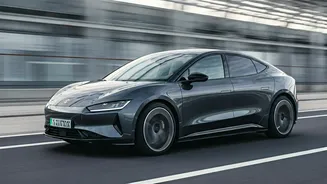
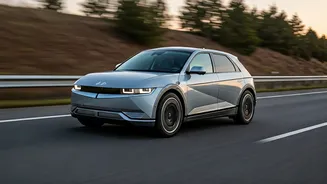
In conjunction with its technological advancements, Kia has also revised its strategic targets for 2030. While the initial plans emphasized a greater volume of all-electric vehicles (EVs), the company has adjusted its focus. The updated strategy now indicates a reduced emphasis on pure EVs but highlights a substantial increase in the push for hybrid models. Kia's revised goal is to achieve a remarkable 1.1 million hybrid sales by the year 2030. This ambitious target will be supported by an expanded lineup of 13 distinct hybrid models. This strategic pivot towards hybrids reflects a nuanced understanding of market demands and the ongoing transition towards more sustainable transportation solutions, balancing the growing interest in electrification with the continued practical advantages and consumer acceptance of hybrid powertrains. The company's adaptive approach ensures it remains competitive and responsive to global automotive trends.