






Pioneering Electric Aviation
A significant stride has been made in India's quest for advanced air mobility, with a new, expansive 60,000-square-foot facility established at the IIT
Madras Discovery Campus. This impressive center is poised to become the nation's premier hub for the development and rigorous testing of electric air taxis. It's designed to encompass the entire lifecycle of these innovative aircraft, from initial conceptual design and intricate engineering to the final stages of assembly and crucial flight trials. This strategic move underscores a commitment to pushing the boundaries of electric aviation and establishing a robust ecosystem for future airborne transportation solutions within India.
The e200X Unveiled
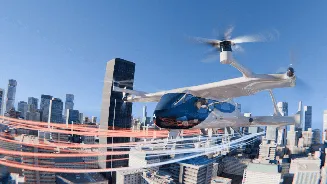
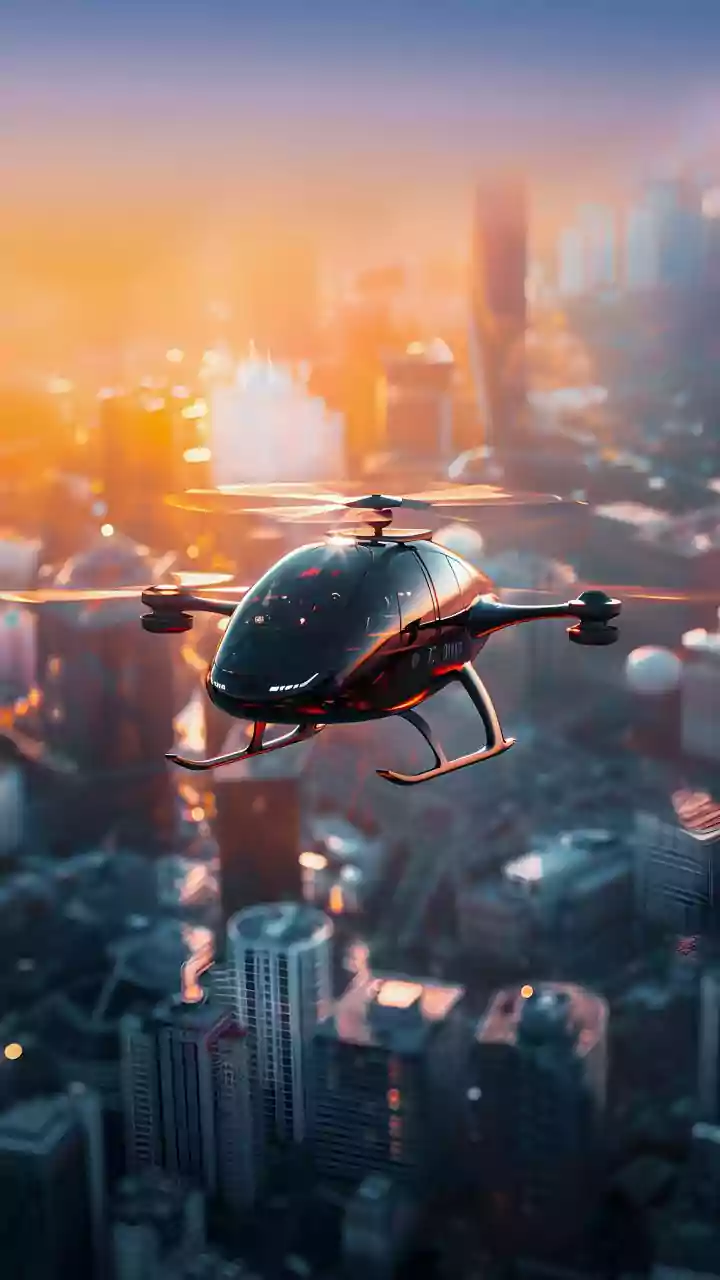
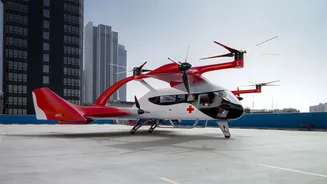
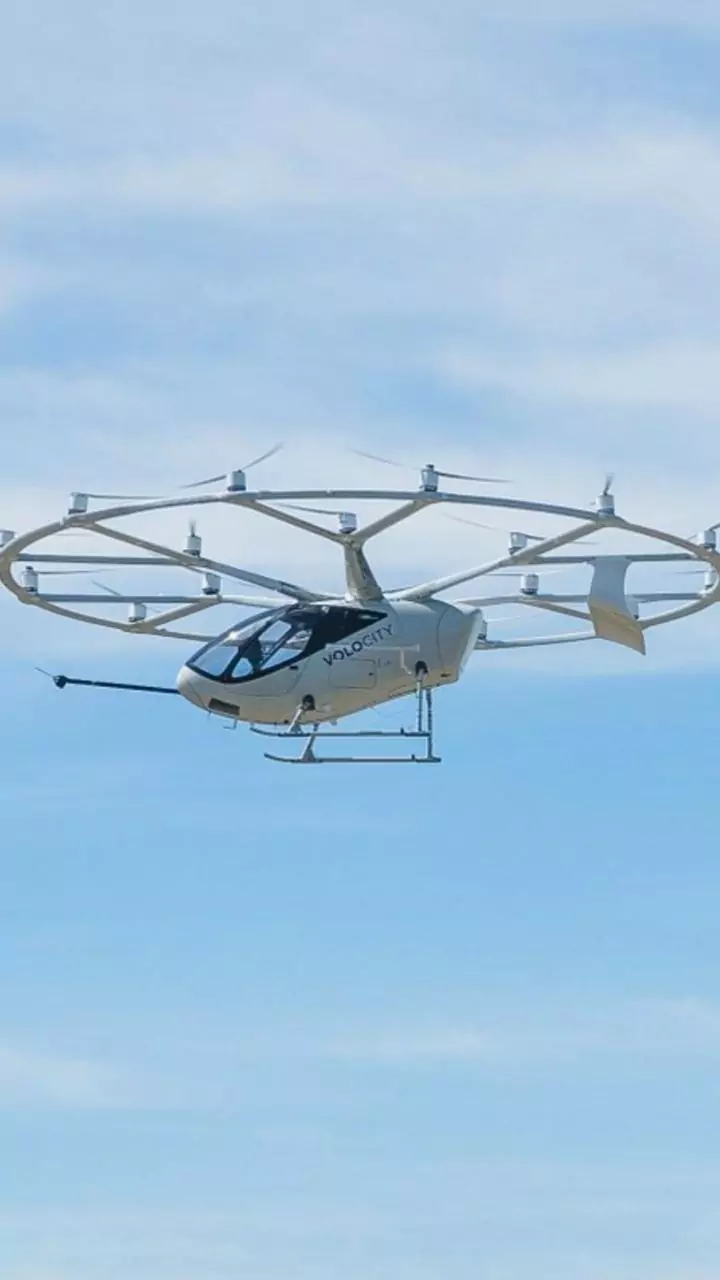
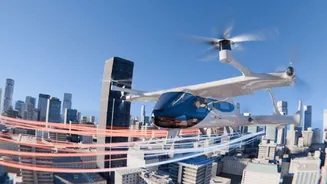
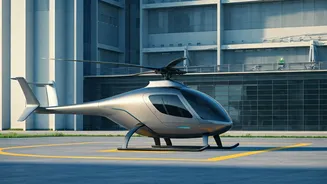
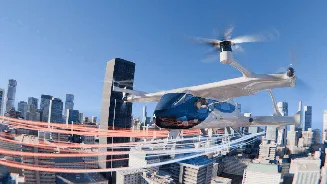
The focus of this new venture is the e200X, an electric air taxi specifically engineered for navigating bustling urban environments. This compact aircraft measures 8 meters by 10 meters and is configured to carry either a single pilot and two passengers or a cargo payload of up to 200kg. Its performance metrics are noteworthy: it can achieve a range of up to 110 kilometers on a single charge, with a cruising speed of 160 kilometers per hour. A key advantage highlighted is its significantly reduced noise footprint compared to traditional helicopters, promising a more peaceful aerial experience. The design prioritizes efficiency and urban suitability, making it a compelling prospect for the future of city travel.
Digital Twins & AI Integration
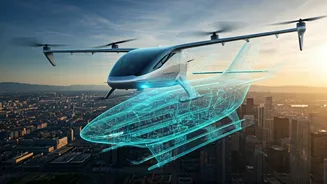
In parallel with the physical development, there's a strong emphasis on cutting-edge digital technology. The development team is pioneering India's first digital twin of an air taxi, utilizing NVIDIA Omniverse. This advanced simulation technology allows for incredibly realistic virtual flight testing, enabling engineers to identify and resolve potential issues in a digital environment long before any physical aircraft takes to the skies. Furthermore, the e200X will be equipped with onboard AI computing capabilities, designed to enhance navigation and bolster safety features through intelligent decision-making. This integration of AI promises a more sophisticated and secure flying experience.
Navigating Future Approvals
While the technological advancements and infrastructure development are progressing rapidly, the timeline for commercial operations remains subject to regulatory approvals. The company has not yet specified a definitive launch timeframe, indicating that the path to widespread commercial flights will depend on the successful navigation of aviation safety and certification processes. This phase is critical for any new aircraft technology, ensuring that all systems meet stringent safety standards before they can be introduced to the public. The anticipation for these innovative air taxis is high, but patience will be required as the necessary approvals are sought and granted.