




A Unified Charging Solution
In a significant move to streamline the adoption of electric vehicles, the Indian government is actively developing a groundbreaking initiative known as
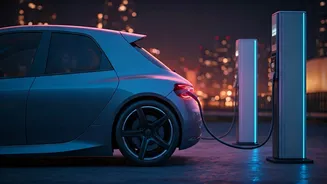
the Unified Bharat e-Charge (UBC) platform. This innovative system is poised to dramatically simplify the process of charging electric cars, eliminating the current fragmentation and inconvenience faced by EV owners. Announced by H D Kumaraswamy, the UBC platform is engineered to serve as a central hub where individuals can effortlessly locate available charging stations, gain access to chargers managed by a diverse range of operators, and conveniently complete their payments, all within a single, integrated application. This collaborative effort, involving the Ministry of Power and various industry stakeholders, is crucial for ensuring interoperability, meaning users won't need to download and manage multiple applications from different charging providers. The core objective is to create a unified ecosystem that enhances user experience and encourages wider EV adoption across the country by removing a key barrier to entry.
Expanding Charging Infrastructure
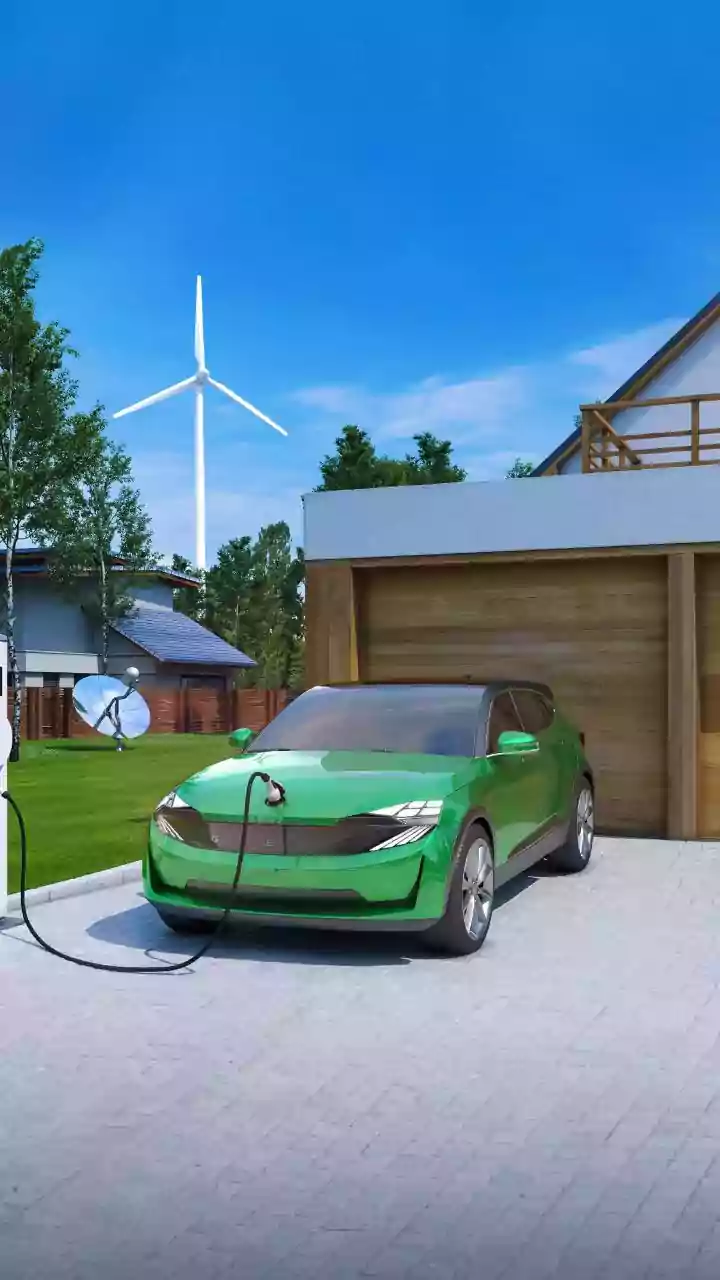
The introduction of the UBC platform is closely intertwined with the government's ambitious strategy to significantly expand the electric vehicle charging infrastructure throughout India. To bolster this expansion, substantial financial allocations are being made. For instance, Karnataka has secured an impressive allocation of over ₹123 crore, earmarked for the installation of 1,243 new charging stations. This is not an isolated effort; other states, including Gujarat and Tamil Nadu, are also receiving substantial funding for their approved proposals to enhance their charging networks. This nationwide push involves collaboration with major public sector enterprises such as Indian Oil and BPCL, who are partnering in these vital projects. The overarching goal is to ensure that electric vehicle charging facilities become readily accessible, not just in major urban centers, but also extending to smaller towns and remote rural areas, thereby making electric vehicles a truly viable and practical transportation choice for a broader segment of the Indian population and fostering a more sustainable future.