


Regulatory Scrutiny Drives Change
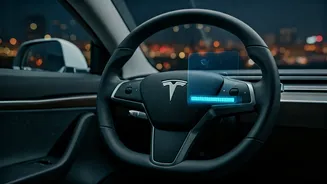
In a significant move responding to regulatory pressures, Tesla has decided to remove the term 'Autopilot' from its promotional materials within California.
State officials raised concerns that this nomenclature could erroneously suggest a fully autonomous driving capability, potentially leading drivers to believe their vehicles can operate without human supervision. This proactive step aims to prevent misunderstandings about the advanced driver-assistance systems (ADAS) Tesla offers and to avert potential legal repercussions, such as a temporary suspension of the company's licenses to sell and manufacture vehicles in the state, as threatened by the California Department of Motor Vehicles (DMV).
Market Shifts and Future Focus
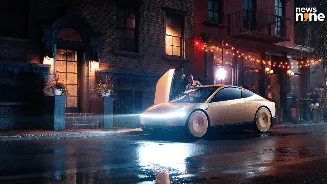
This rebranding coincides with a cooling period in the electric vehicle market, partly influenced by the tapering of government incentives. In this evolving landscape, Tesla appears to be redirecting its strategic vision towards more ambitious projects, including the development of robotaxis and sophisticated humanoid robots powered by self-driving technology. These initiatives signal a long-term commitment to pushing the boundaries of autonomous systems, building upon earlier innovations. The updated marketing approach now explicitly communicates that drivers must maintain their engagement and remain attentive at all times when utilizing these advanced features, underscoring the inherent limitations and the critical role of human oversight.
Feature Capabilities and Debates
Tesla's existing 'Autopilot' system is designed to assist drivers by managing acceleration, braking, and lane-keeping functions primarily on highways. Complementing this is the 'Full Self-Driving' (FSD) capability, which extends these functionalities to handle more complex urban environments, including performing lane changes and reacting to traffic signals. Despite these sophisticated abilities, the DMV previously levied accusations against Tesla, asserting that the branding of 'Autopilot' and 'Full Self-Driving' was misleading to the public. The core of the controversy lies in the gap between the impressive technology and the public's potential misinterpretation of its autonomy, a gap Tesla is now actively attempting to bridge with clearer communication.