




Extended Travel Horizons
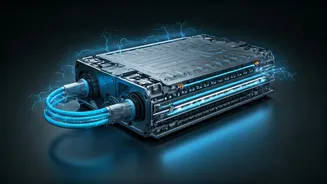
The electric vehicle landscape is set for a dramatic shift with the introduction of a new battery technology capable of propelling vehicles up to an astonishing
1,500 kilometers on a full charge. This represents a monumental leap forward from previous models that typically offered around 1,000 kilometers of range. Such an extensive driving capability directly addresses one of the primary concerns for potential EV buyers: 'range anxiety.' By virtually eliminating the need for frequent charging stops on longer journeys, this advancement makes electric mobility a far more practical and appealing option for everyday use and extended travel alike. This breakthrough positions the developers at the forefront of the competitive global electric vehicle market, signaling a new era of long-distance electric travel.
Rapid Recharging Innovation
Beyond its impressive travel distance, the upgraded battery also boasts exceptional charging speeds, significantly outperforming current industry benchmarks. One such iteration can now replenish its power from a mere 10% to nearly a full charge in an incredibly brief period of six and a half minutes. This charging speed is notably faster than competing technologies, including those recently announced by other major players in the market. This rapid turnaround time dramatically enhances the convenience of owning an electric vehicle, making pit stops for charging as swift as refueling a traditional gasoline car. Such advancements are crucial for accelerating the adoption of electric vehicles by removing practical barriers and improving the overall user experience.
Sustainable Energy Future
Looking towards a more sustainable future, ambitious plans are in motion to establish a vast network of charging and swapping stations. The goal is to deploy 100,000 of these facilities across China by the year 2028, creating a robust infrastructure to support the growing EV fleet. Furthermore, a significant push is being made to commence mass production of sodium-ion batteries within the current year. This strategic move aims to diversify battery material sourcing and reduce reliance on precious and sometimes scarce elements such as lithium, cobalt, and nickel. By exploring and scaling up alternative battery chemistries like sodium-ion, the industry can pave the way for more environmentally friendly and cost-effective electric vehicle solutions, ensuring long-term viability and accessibility.