



Remote Control Incidents
Recent filings with the National Highway Traffic Safety Administration (NHTSA) have brought to light a pair of low-speed collisions involving vehicles
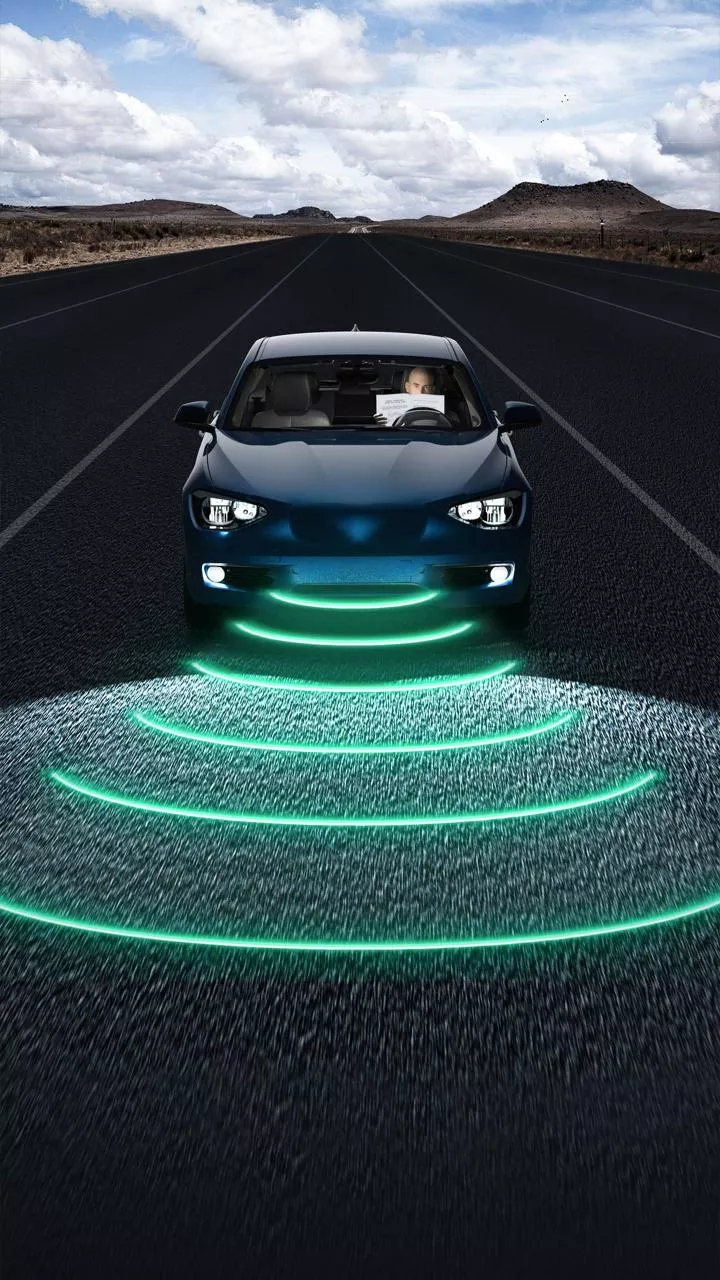
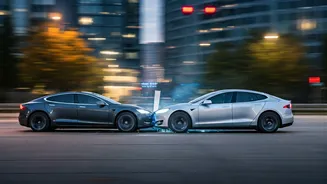
operating under Tesla's remote control system. These incidents, which occurred in Austin, Texas, since July 2025, highlight potential complexities in the management of autonomous fleets. In both reported cases, a safety monitor was present within the vehicle, seated in the driver's position, though no passengers were onboard. The system in question allows remote operators, or teleoperators, to guide vehicles at speeds not exceeding 16.09 km/h. This capability is intended as a contingency, enabling the swift repositioning of a vehicle that may find itself in a precarious situation, thereby avoiding the need for external assistance from first responders or Tesla's field personnel.
Crash Reporting Evolution
In line with regulations for autonomous vehicle development, companies like Tesla are obligated to submit comprehensive reports detailing any crashes involving their technology to the NHTSA. Historically, Tesla had opted to withhold descriptive details of these incidents, classifying them as proprietary business information. However, this practice has recently shifted. For reasons not yet publicly disclosed, Tesla has changed its approach, permitting the NHTSA to release narratives of all accidents that have occurred within its nascent robotaxi network since last year. This newfound transparency provides crucial insights into the operational challenges and real-world performance of their autonomous systems.
First Collision Scenario
The initial reported accident took place in July 2025. During operation, the vehicle's automated driving system (ADS) encountered difficulties progressing while stationary on a street. In response to this operational challenge, the onboard safety monitor requested assistance from Tesla's remote support team. A teleoperator then assumed control of the vehicle, initiating acceleration and a left turn towards the side of the street. Regrettably, this maneuver resulted in the vehicle mounting the curb and colliding with a metal fence, indicating a deviation from the intended path and an unexpected outcome of the remote intervention.
Second Collision Scenario
The second incident occurred in January 2026, again in Austin, Texas. The vehicle was navigating a street in a straight-line trajectory, managed by its ADS. The safety monitor indicated a need for navigation support, prompting a teleoperator to take over the vehicle's operation. The teleoperator proceeded straight, but the vehicle subsequently made contact with a temporary construction barricade. This collision caused damage to the front-left fender and a tire, underscoring the potential for unintended consequences even when human oversight is present and remote control is engaged.
Additional Reported Incidents
Beyond these two specific collisions, the recently unredacted crash data from Tesla has also shed light on other noteworthy events involving their robotaxis. In one instance, a vehicle encountered a dog that unexpectedly entered the roadway. Fortunately, the animal was able to escape unharmed. In a separate occurrence, a robotaxi attempted an unprotected left turn into a parking lot. During this maneuver, the vehicle collided with a metal chain, adding to the documented list of interactions between these autonomous vehicles and their surroundings that have required intervention or resulted in minor impacts.